
















How the Arts and Crafts Movement Still Shapes Contemporary Architecture

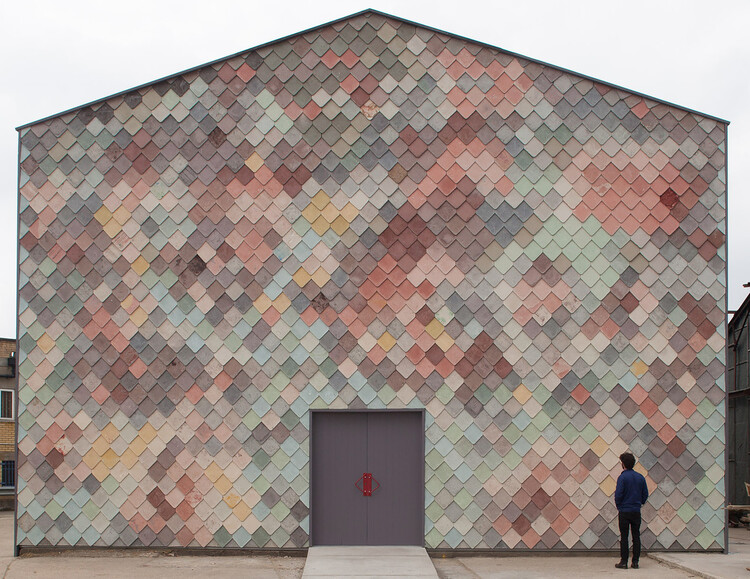
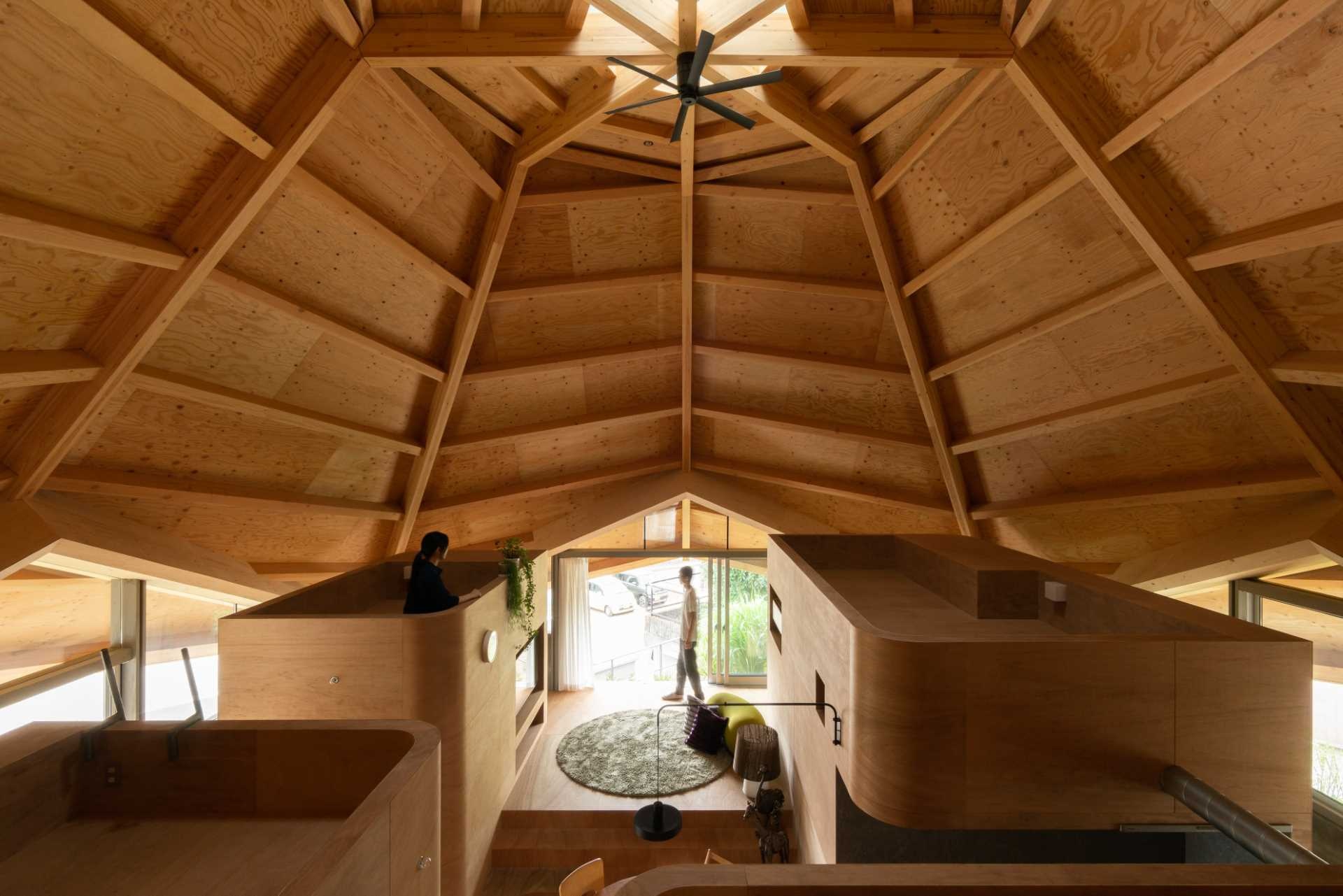
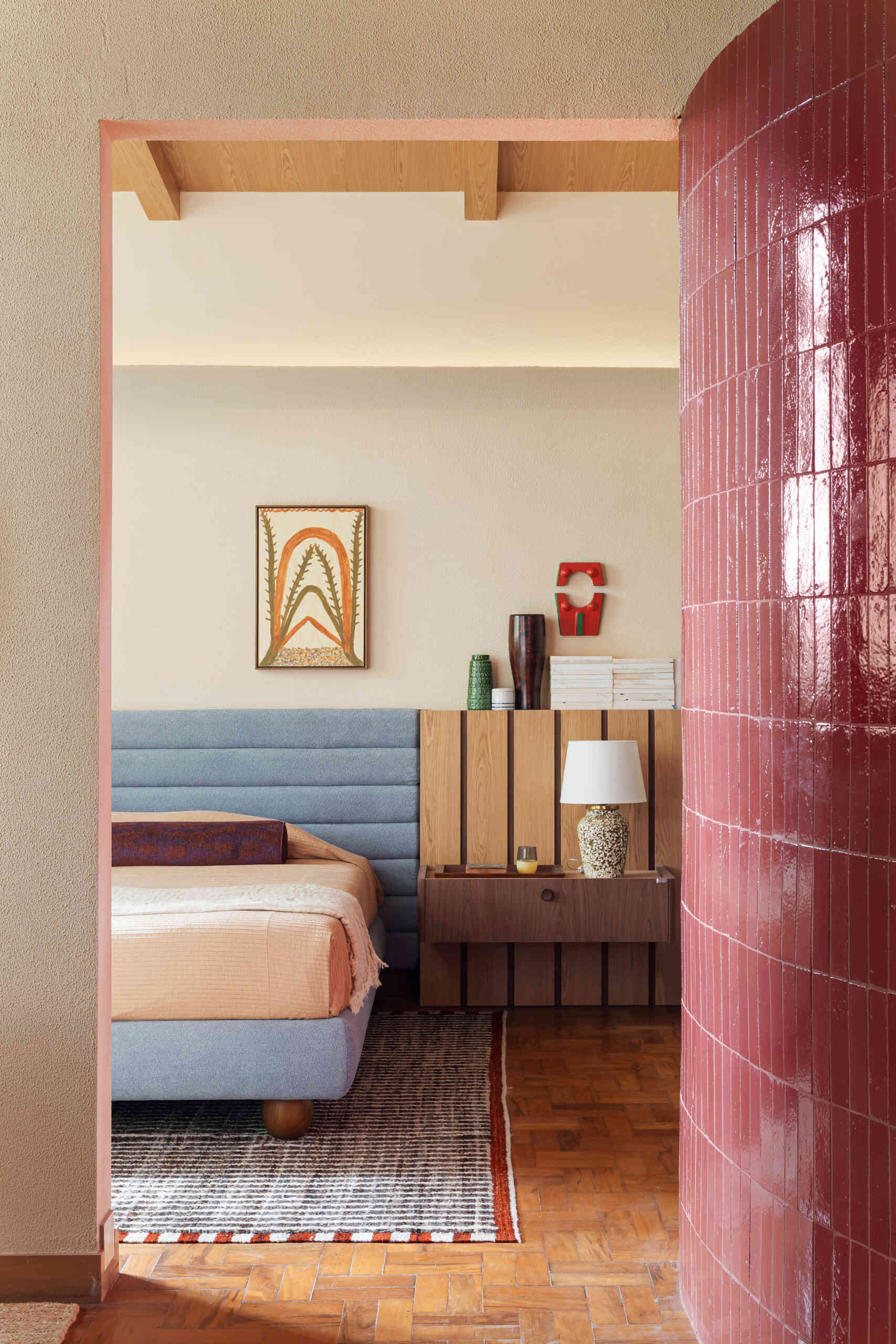
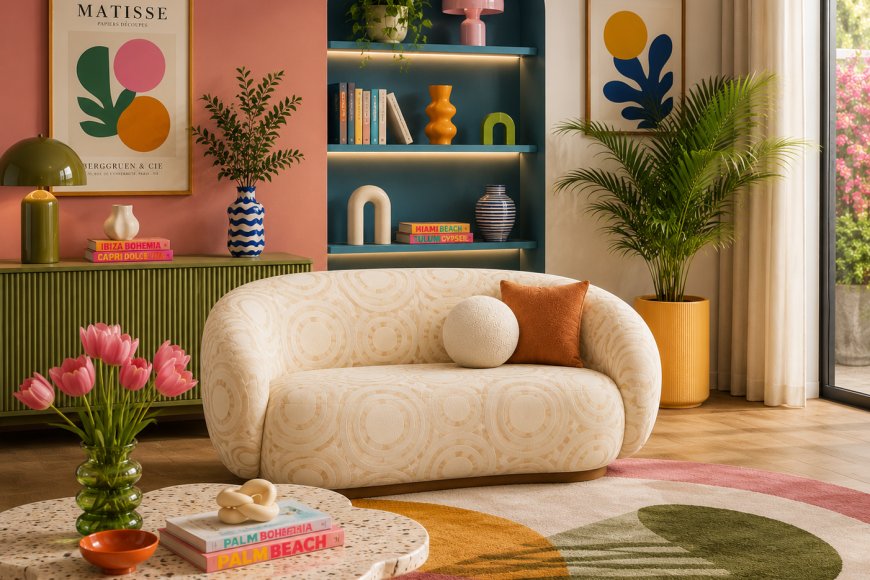
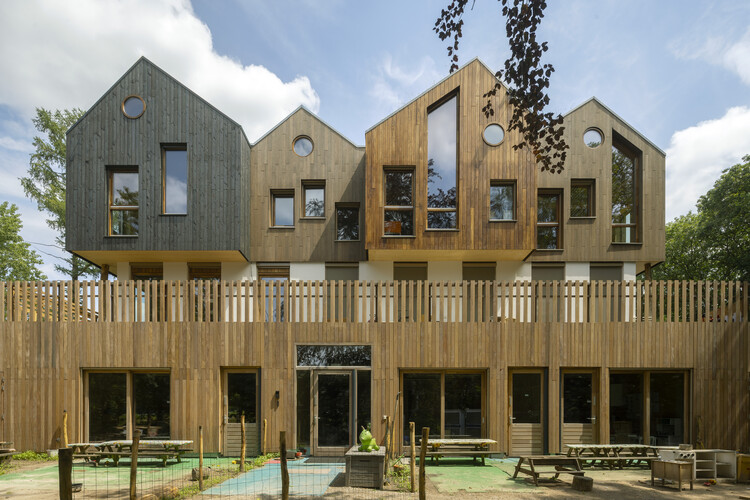
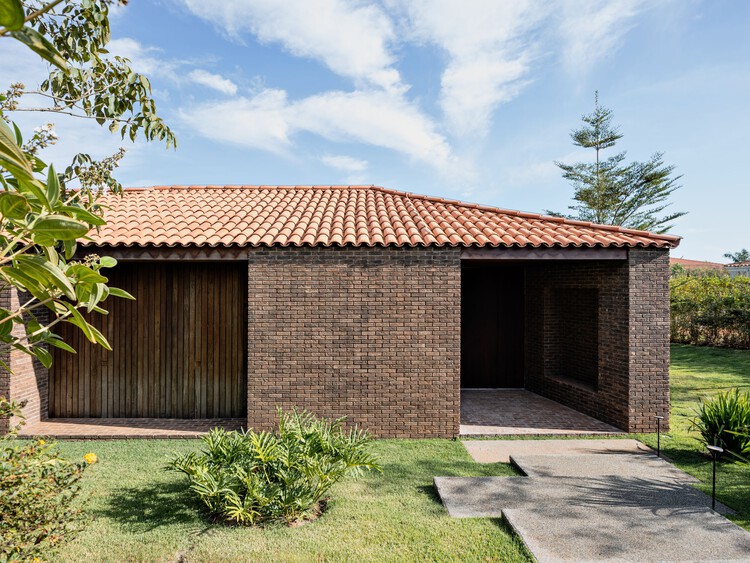
The Arts and Crafts movement is often remembered as an architectural style defined by handcrafted details, an intimate scale, natural materials, and a rejection of excess and industry. Its influence is frequently traced through visual characteristics that continue to appear in contemporary architecture and interiors, from exposed timber and crafted joinery to an emphasis on texture and permanence, yet reducing the movement to an aesthetic vocabulary overlooks its far more significant contribution. For William Morris, Philip Webb, John Ruskin, and their contemporaries, architecture was a question of how things were made, who made them, and whether the process of making could cultivate dignity, meaning, culture, and beauty.