


Unprecedented Design Museum exhibition surveys "the beauty and the depth of Black design"


Work from 16 of the most exciting Black designers working today has been brought together under one roof for the first time as part of The Nue Black Aesthetic exhibition at London's Design Museum.
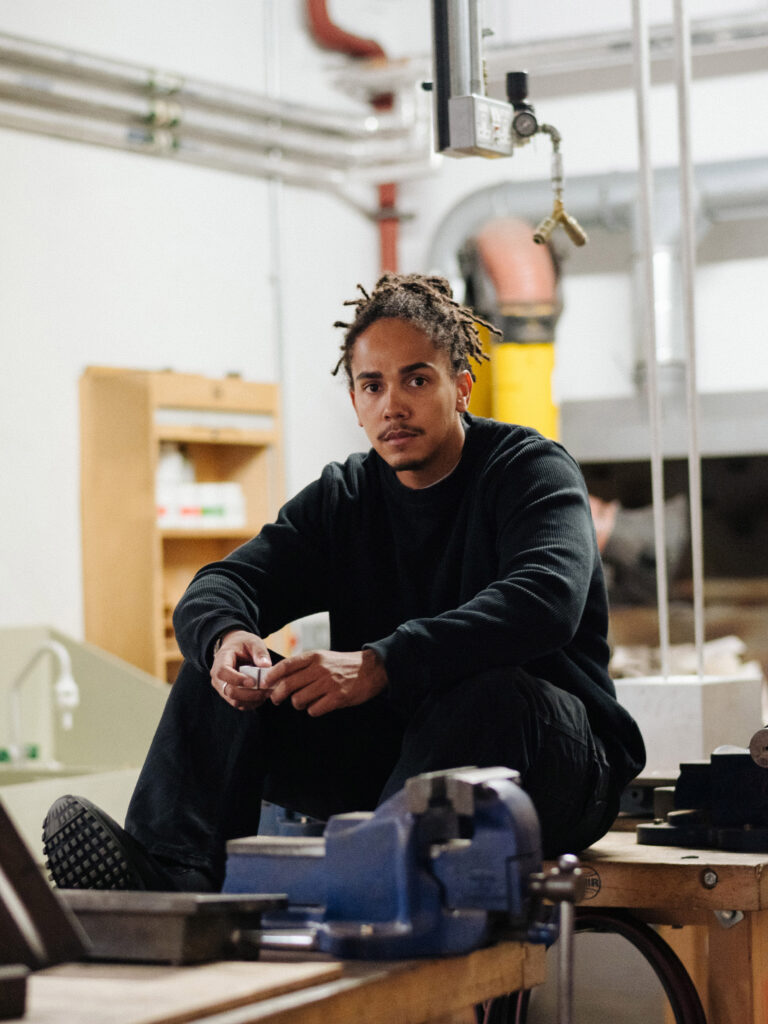
The all-star lineup features work from fashion designers like Bianca Saunders in dialogue with the buildings of architect Tosin Oshinowo and products by Ini Archibong, Samuel Ross, Simone Brewster and Nifemi Marcus-Bello.

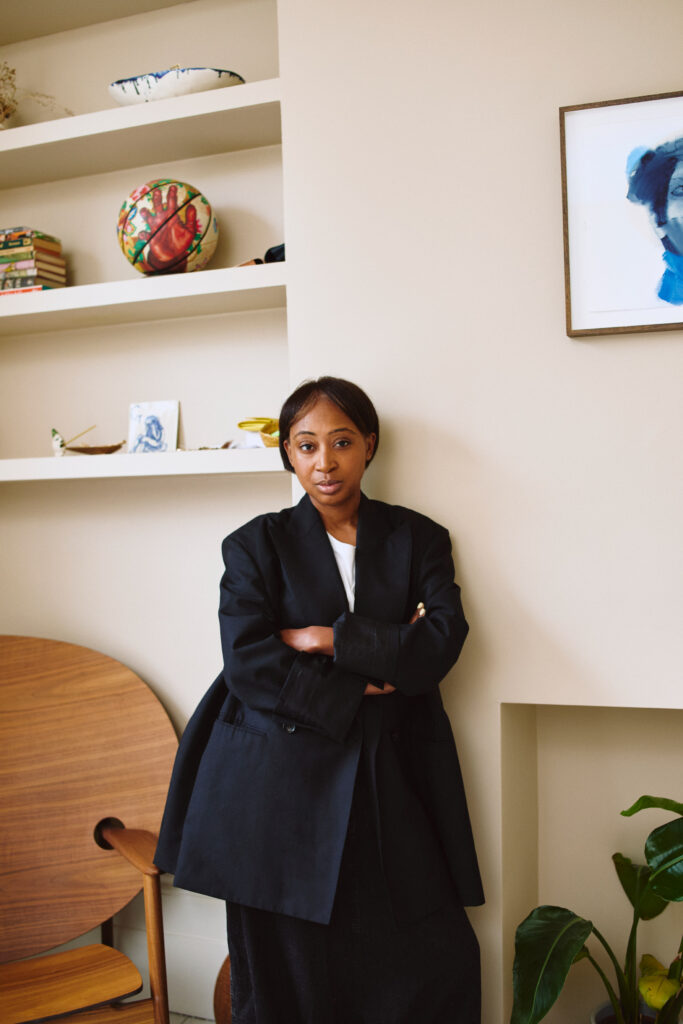
It marks the first time the UK has hosted such a show, according to its guest curator Charlene Prempeh.
The writer and founder of design consultancy A Vibe Called Tech originally came up with the idea for the exhibition while researching her monograph on a century of Black design and was confronted with the lack of documentation she could find on the topic.
"It was a really difficult process because it was just impossible to find any literature or any real evidence of the design work," she told Dezeen.
This led her to investigate whether any museum shows today were doing a better job chronicling the work of contemporary Black designers.
"I was like: 'Oh, there hasn't been anything like that in the UK that I'm aware of,'" explained the curator.
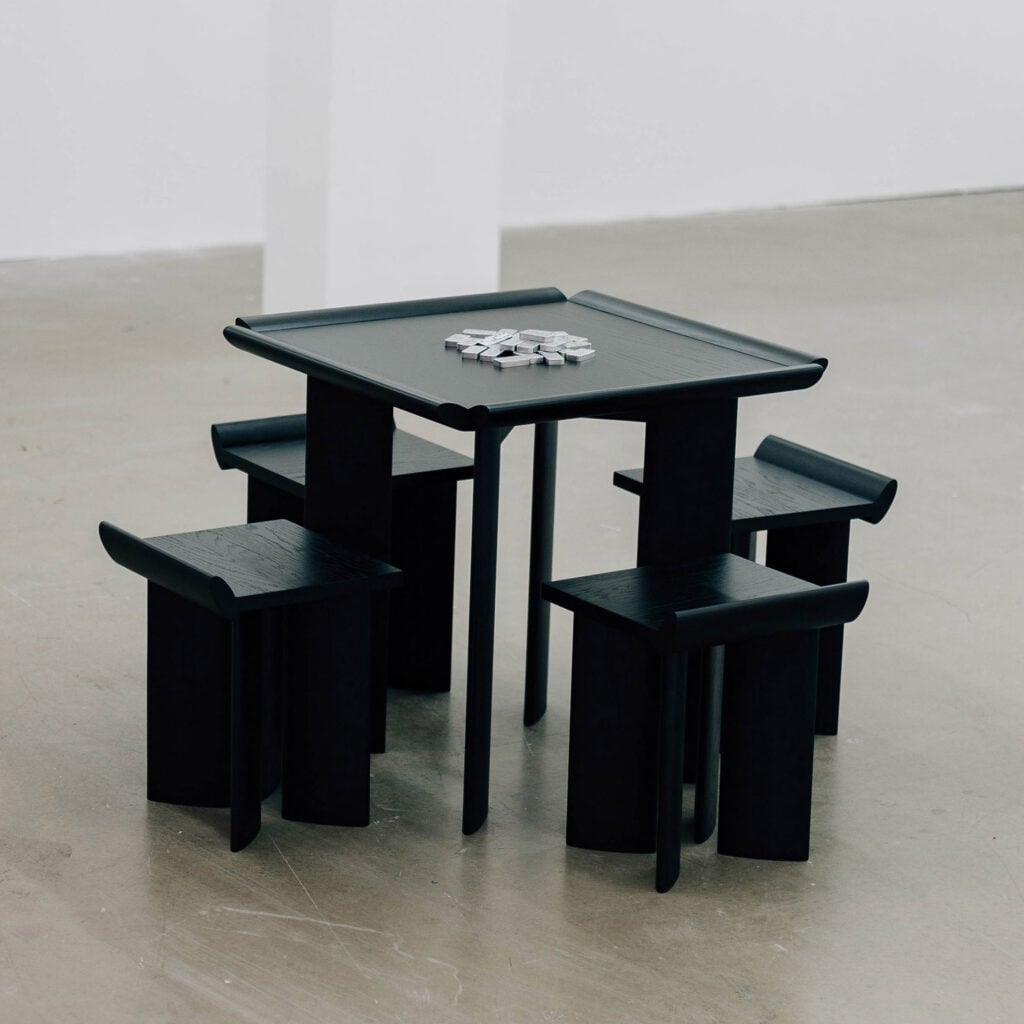
With The Nue Black Aesthetic, Prempeh and the Design Museum's project curator Tiya Dahyabhai hope to remedy this. The duo has brought together more than 100 works that range from tailored suits to football kits, from minimalist lighting and headphones to a sculptural West African instrument and a trophy for a dominoes league.
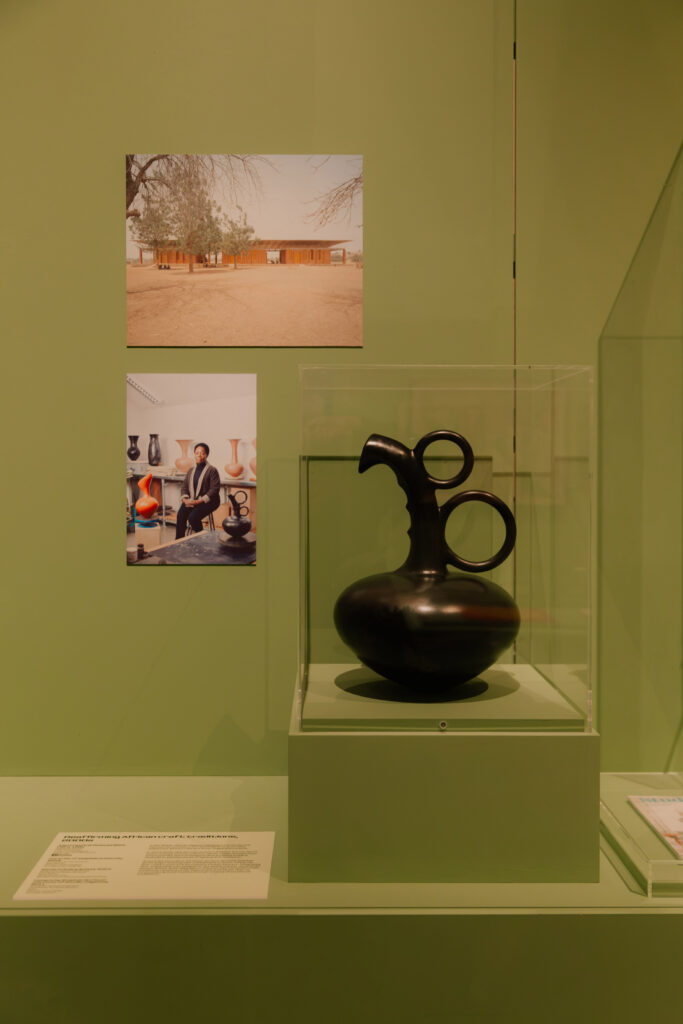
Presented together, they act as a rallying cry against the idea that Black design can only look one way, Prempeh says, allowing its textural and conceptual richness to be experienced in person.
"If people stopped thinking of Black design as just bright colours and wax print, that would be incredible," she joked.
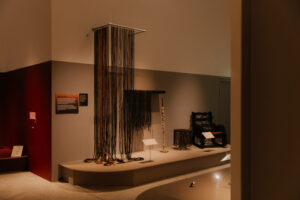
The show opens with a short look back at the last century of Black design, beginning in the 1920s with Ann Lowe – the first African American fashion designer to become a leading couturier.
"It's not like Black people weren't making work before, but in terms of people knowing who they were and there being names and there being evidence of how that work filtered out into the mainstream, that was a really good moment to define," Prempeh explained.
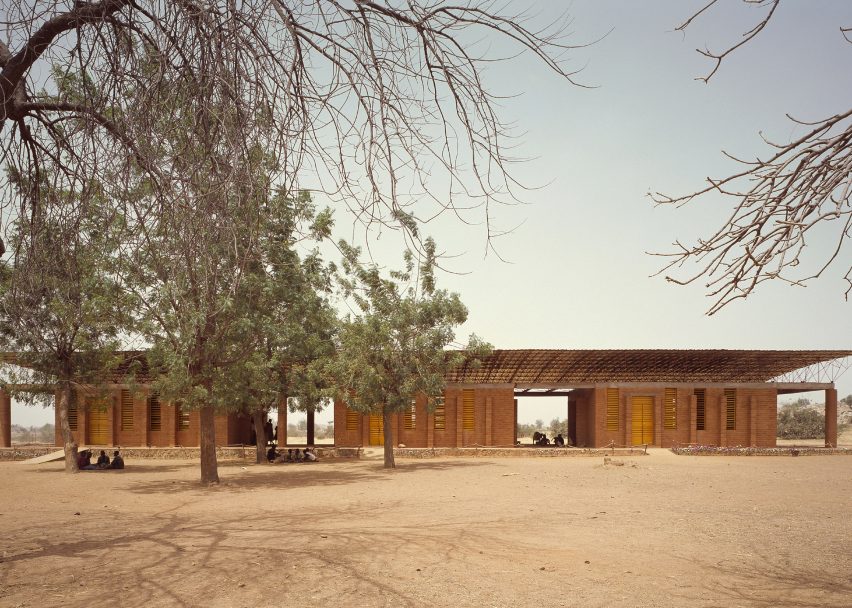
From here, the show zooms past key moments – the Black Aesthetic movement born out of the Civil Rights era, the pop-infused New Black Aesthetic of the 1980s, the ascendancy of African craft led by Diébédo Francis Kéré and Stephen Burks in the 2000s.
The timeline culminates in 2023 with Lesley Lokko's curation for the Venice Architecture Biennale, which explored Africa as a "powerful place from which to examine the issues that will dominate the next century".
Against this backdrop, The Nue Black Aesthetic sets out to chronicle the three key topics that seem to be occupying designers across the diaspora today – identity, community and systems.
"I was looking at the shared ideas that existed within Black design, and those were the themes that kept on coming up again and again and again," Prempeh explained. "It's not saying that everyone does everything the same way, but it is saying that there are shared concerns."
The first section features work that explores themes of identity.
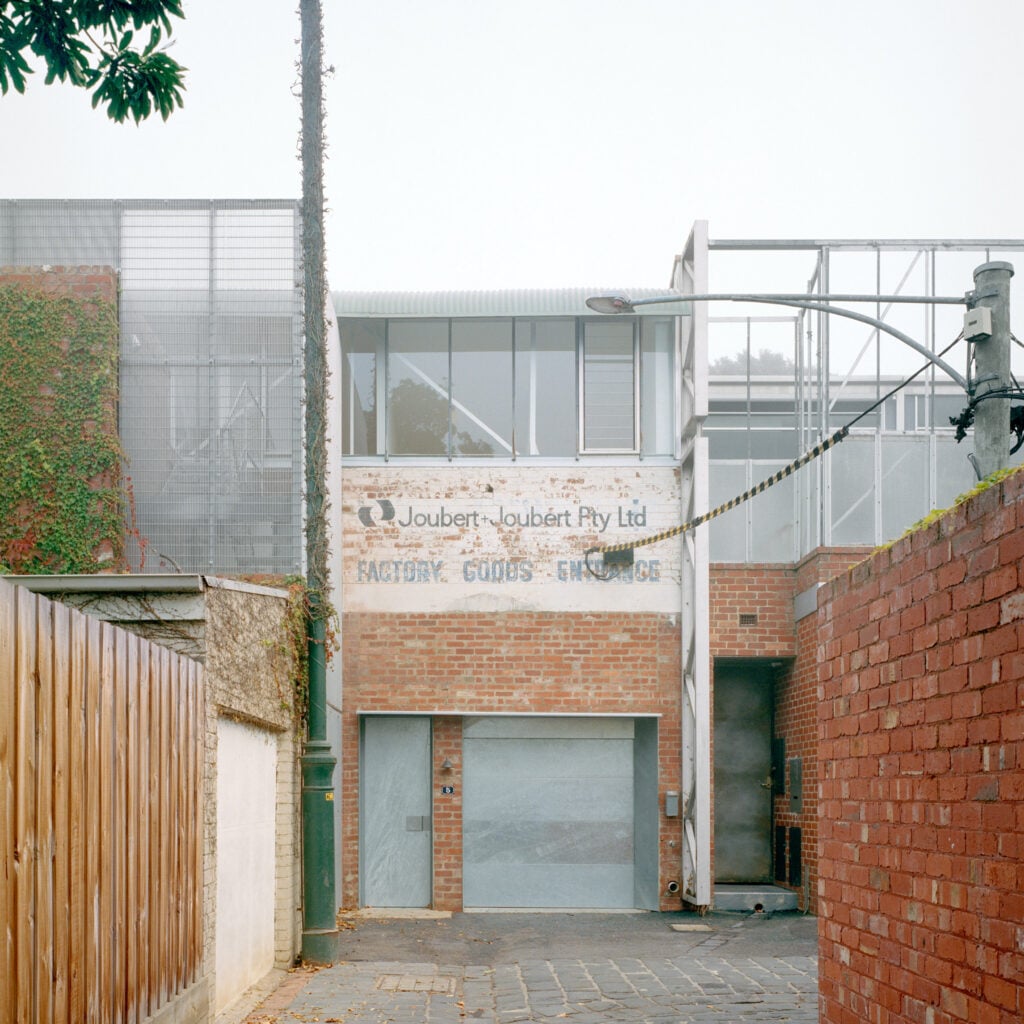
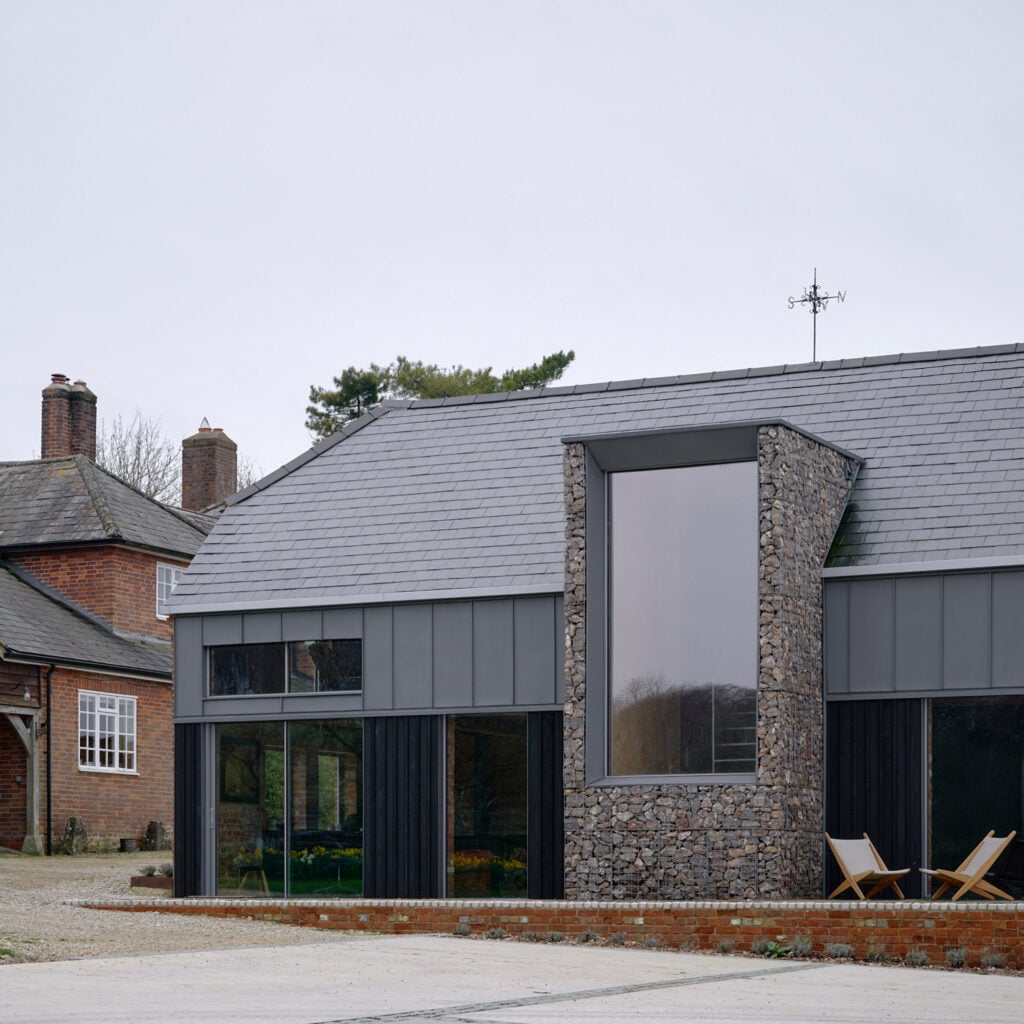
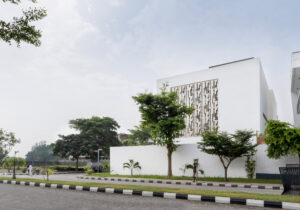
Here, a C-shaped bench made from a single sheet of metal by Nigerian designer Tejumola Adenuga reinterprets Yoruba design principles, while an intricately embroidered cap worn by the Kanuri people is shown next to a school designed for the displaced community by Lagos-based Oshinowo Studio.
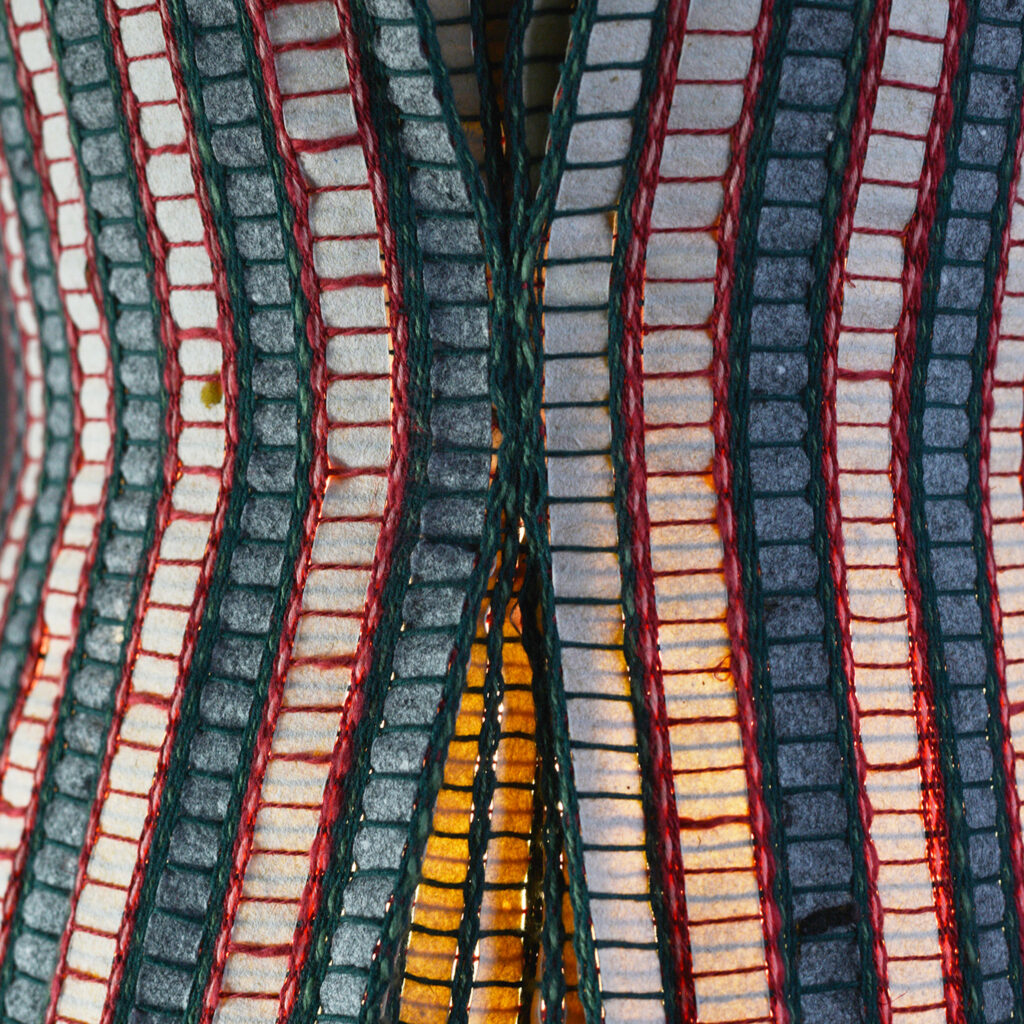
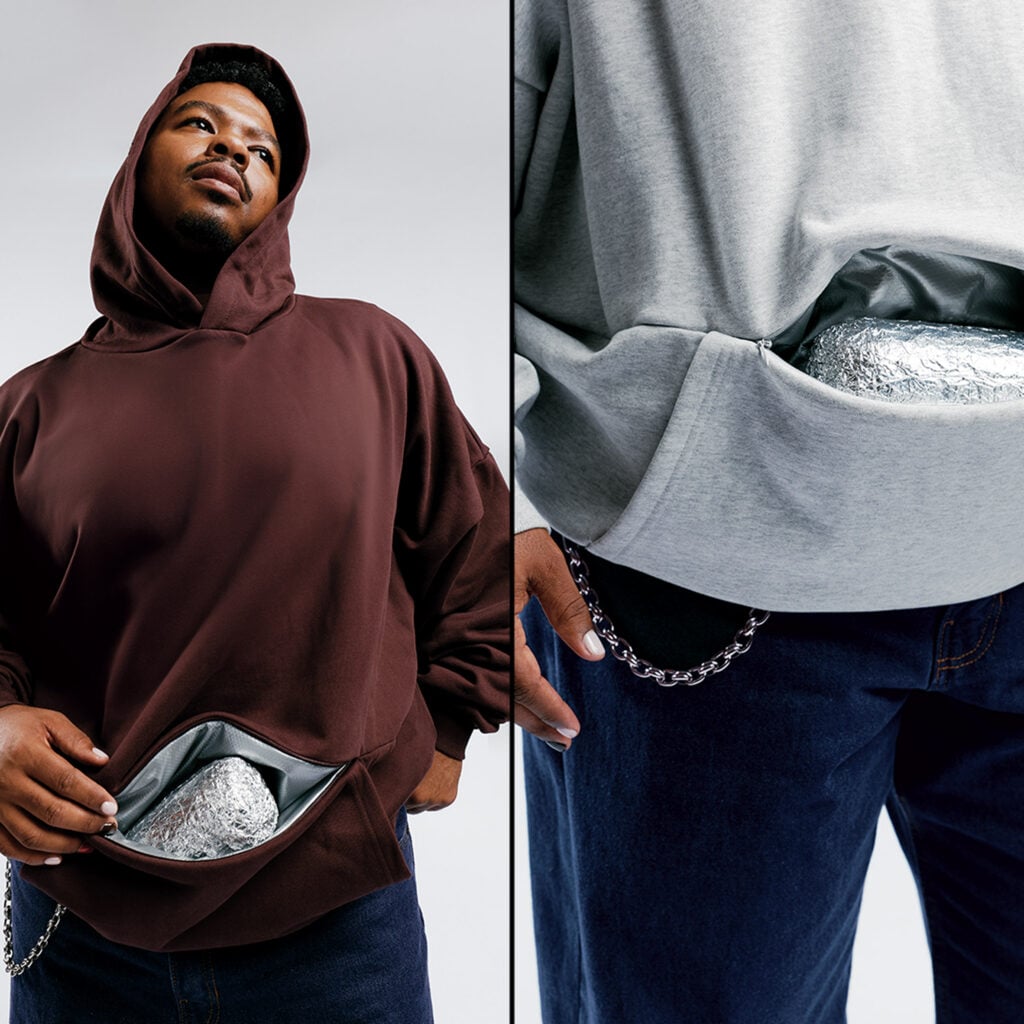
Garments from London fashion designers Bianca Saunders and Saul Nash explore ideas of gender and heritage through cloth, and British-Nigerian artist Taiba Akhuetie reframes Black hair styling as a craft through furniture pieces made from carefully sculpted braids of synthetic hair.
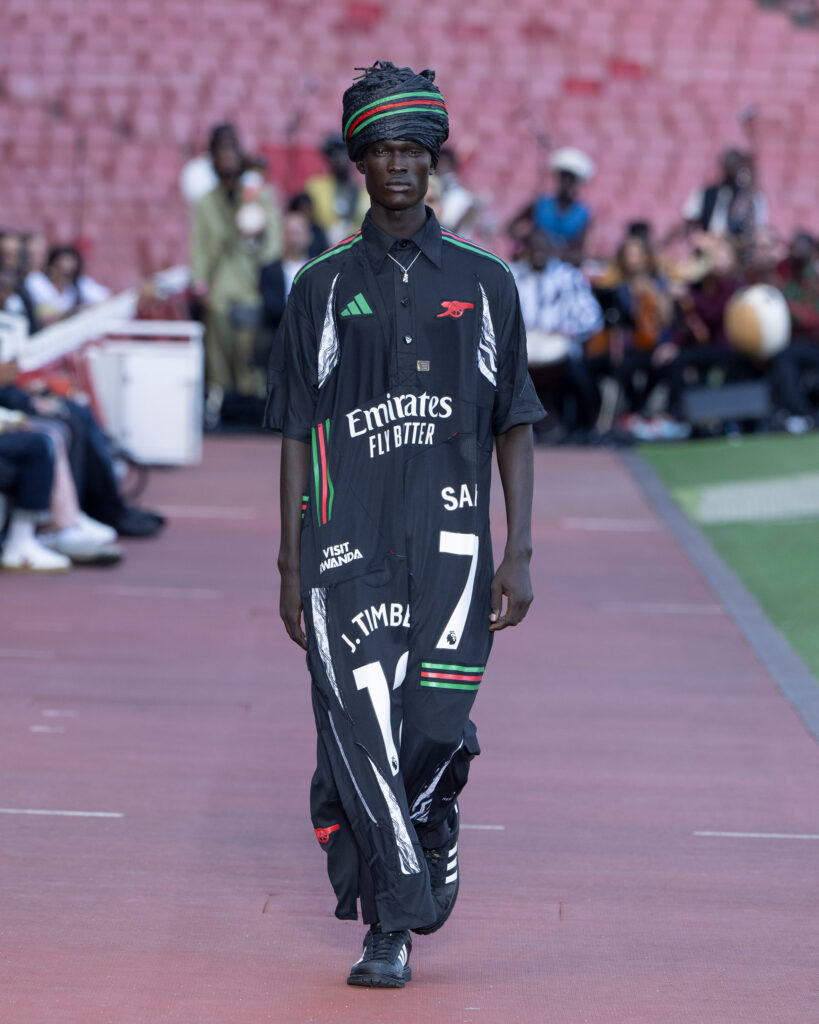
Next, the exhibition looks at design as a tool for community building. For some, community comes in the form of sport, as seen in designer Mac Collins's monumental trophy for the Nottingham dominoes league and a high-fashion version of Foday Dumbuya's viral Pan-African away kit for London football club Arsenal.
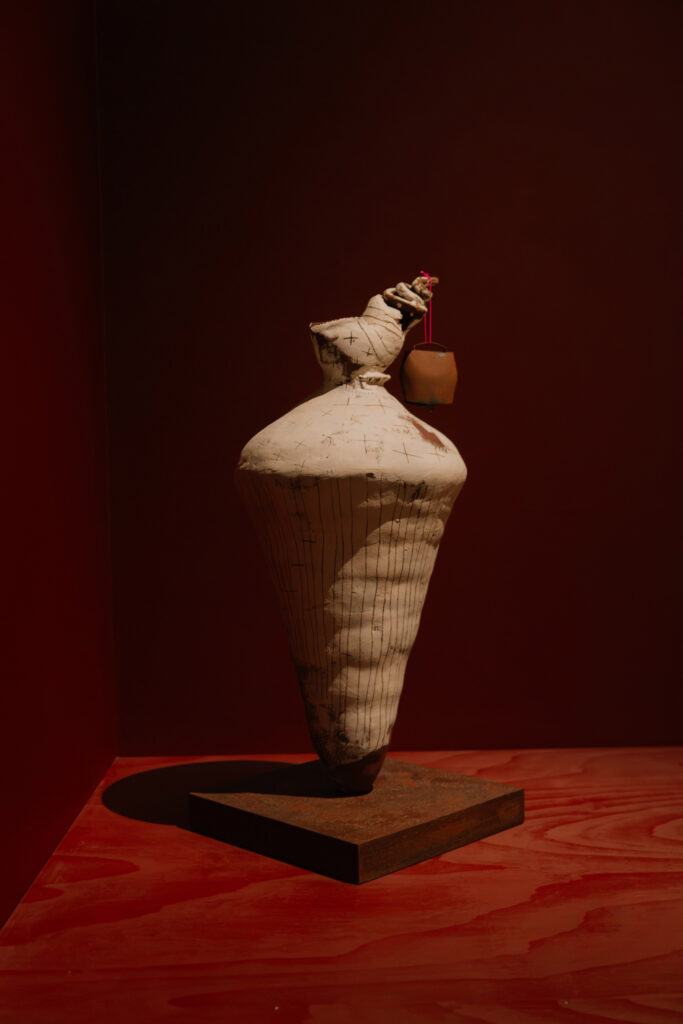
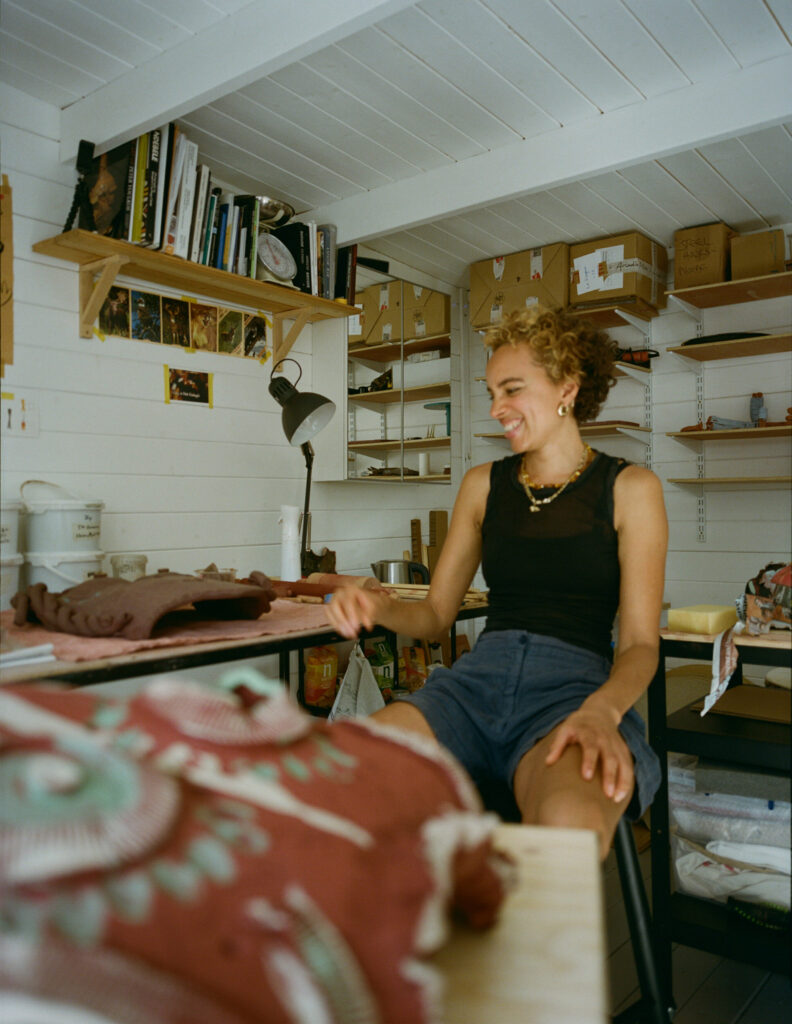
Phoebe Collings-James, on the other hand, explores community through craft practice. The Jamaican British sculptor contributed a series of experimental pots born from their studio Mudbelly, which offers free ceramics classes by and for Black people through an anti-elitist lens.
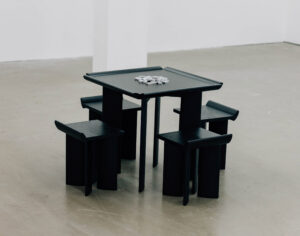
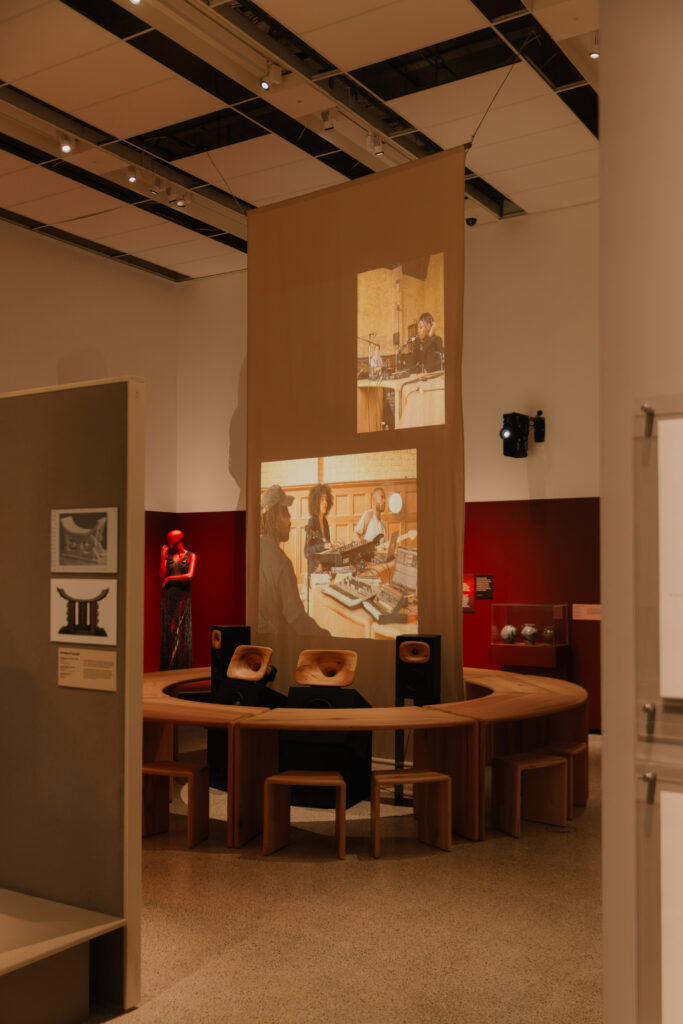
Similar themes show up in the work of Ethiopian fashion designer Feben Vemmen, embodied in a luscious, chainmail-style gown she co-designed with bead makers in Accra, and furniture maker Andu Masebo, who contributed a modular, communal table recently used by a rotating cast of 16 musicians during a live eight-hour jam session.
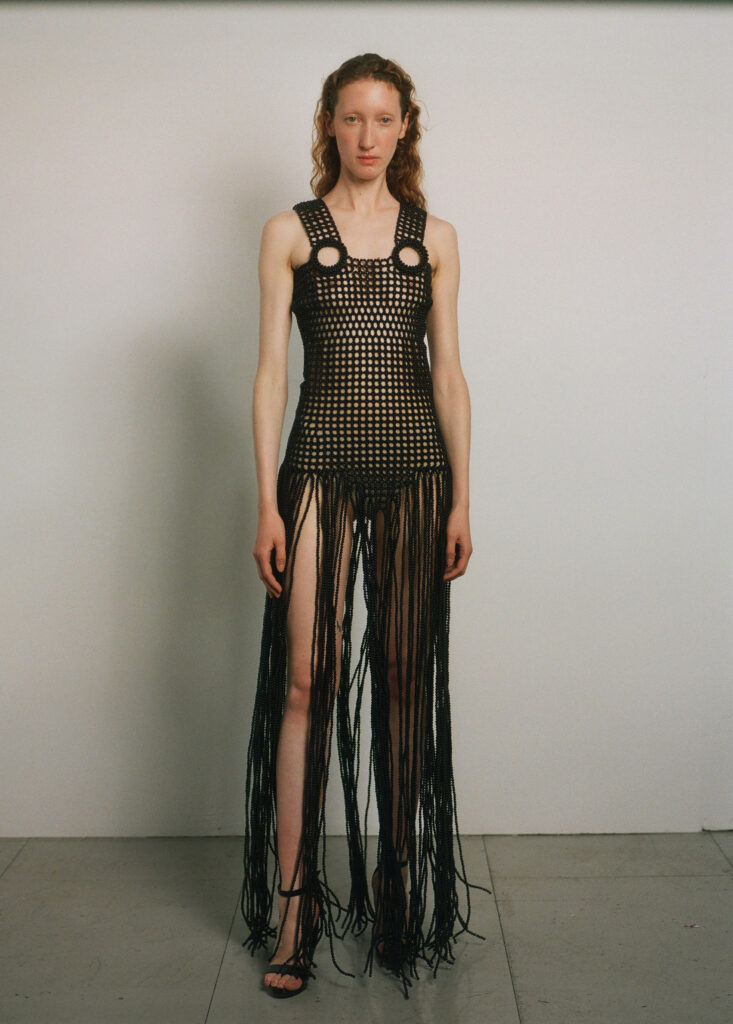
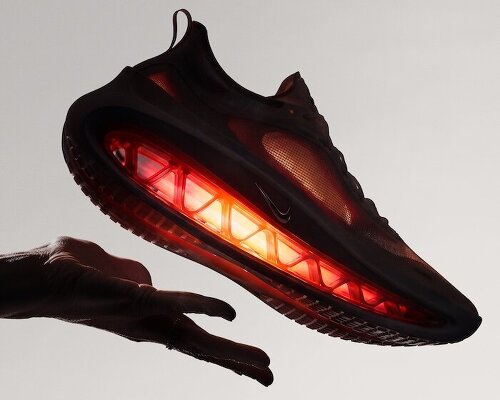
The exhibition's final section brings together works that aim to challenge the status quo. Some of these challengers come from within; among them Ross, who's brought his distinctive language to brands like Nike, Zara and Beats by Dre while also running the Black British Artist Grant Association to uplift the next generation of talent.
There's also Rachel Scott, who is currently weaving her politics into her work for Proenza Schouler, where she became the first Black woman to lead an established American high fashion house when she joined as creative director in 2025.
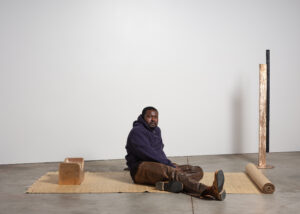
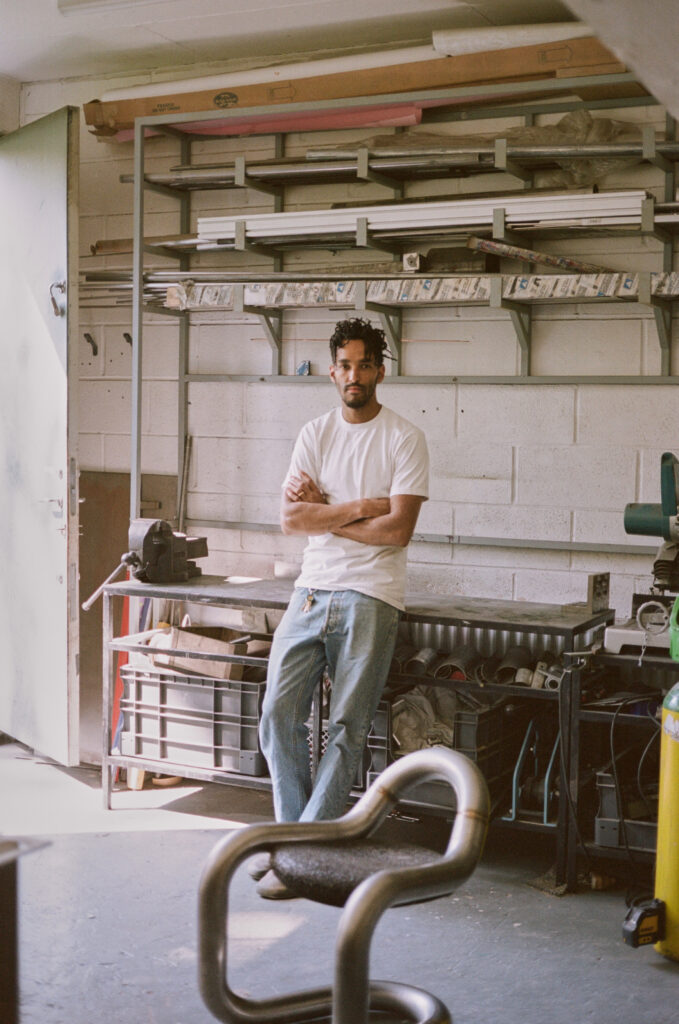
On the other end of the spectrum are more collectable designs that criticise the system from the outside, courtesy of genre-bending artist Brewster, British-Ghanaian architect Giles Tettey Nartey and Nigerian designer Marcus-Bello.
Standout pieces include a giant contemporary balafon – a predecessor to the xylophone – and a series of aluminium furniture that questions why craftsmen in Nigeria are relegated to working with scraps from the Global North, when the raw materials are mined locally.
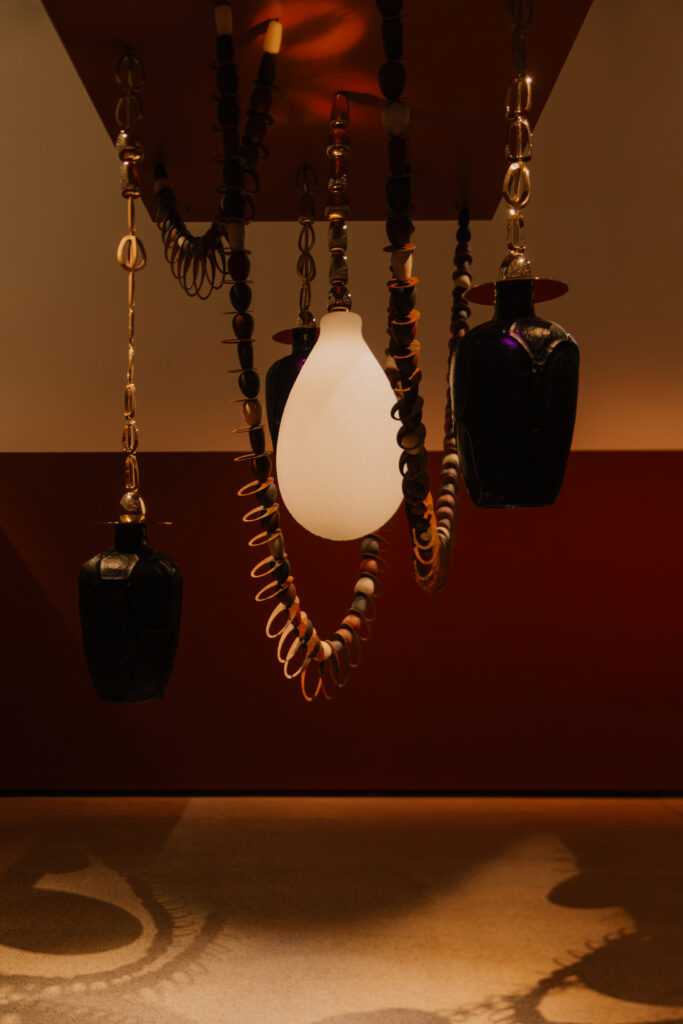
The exhibition concludes with a piece created especially for the show by Nigerian-American designer Archibong: a sweeping Murano glass chandelier that hopes to capture the show’s central idea around the whole African diaspora being engaged in one conversation but with very different perspectives and backgrounds.
For Prempeh, the show is also a way to counter the "lack of curiosity around Blackness" – not to mention the open prejudice – which she says has crept back into society since the height of the Black Lives Matter movement.
"I want to present all of the beauty and the depth of Black design as a counter narrative," she said.
The post Unprecedented Design Museum exhibition surveys "the beauty and the depth of Black design" appeared first on Dezeen.