




IKEA builds tiny houses to prove a point: compact spaces can hold identity


IKEA SCALES DOWN SPACES TOWARD CHARACTERFUL LIVING
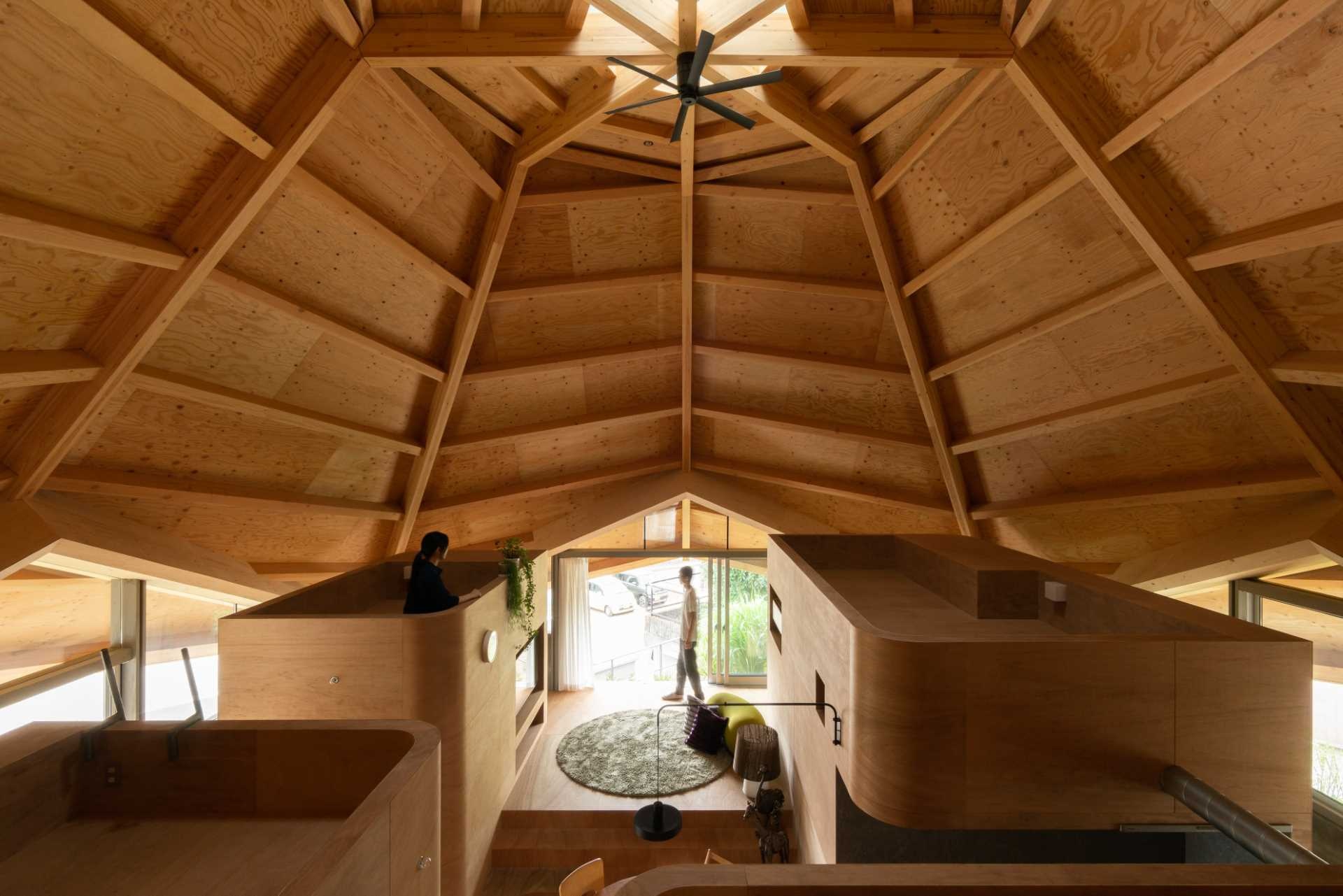
IKEA has installed a series of handcrafted miniature homes across public locations in Melbourne, Chengdu, and Beijing. Created with Stockholm-based artist Christopher Robin Nordström, the detailed 1:12 scale models highlight how domestic environments maintain character within limited footprints. Modern homes are increasingly expected to perform beyond their original layouts, serving as workplaces, creative studios, classrooms, and sanctuaries within unchanged square footage. This spatial pressure often creates friction in daily life.
Addressing this spatial pressure, the ‘Tiny Houses’ public project reflects findings from IKEA’s Store and Organise Report 2026. Surveying over 30,000 respondents across 31 global markets, the study reveals a cultural shift away from sterile minimalism toward meaningful mess, with 59% of people preferring a characterful home over a manicured one. Driven by this shift, the initiative demonstrates how simple layout reconfigurations can unlock usable space without requiring extensive renovations.

IKEA collaborates with Stockholm-based artist Christopher Robin Nordström for ‘Tiny Houses’| all images courtesy of IKEA
INTENTIONAL OWNERSHIP RETHINKS THE IDEAL OF HOME
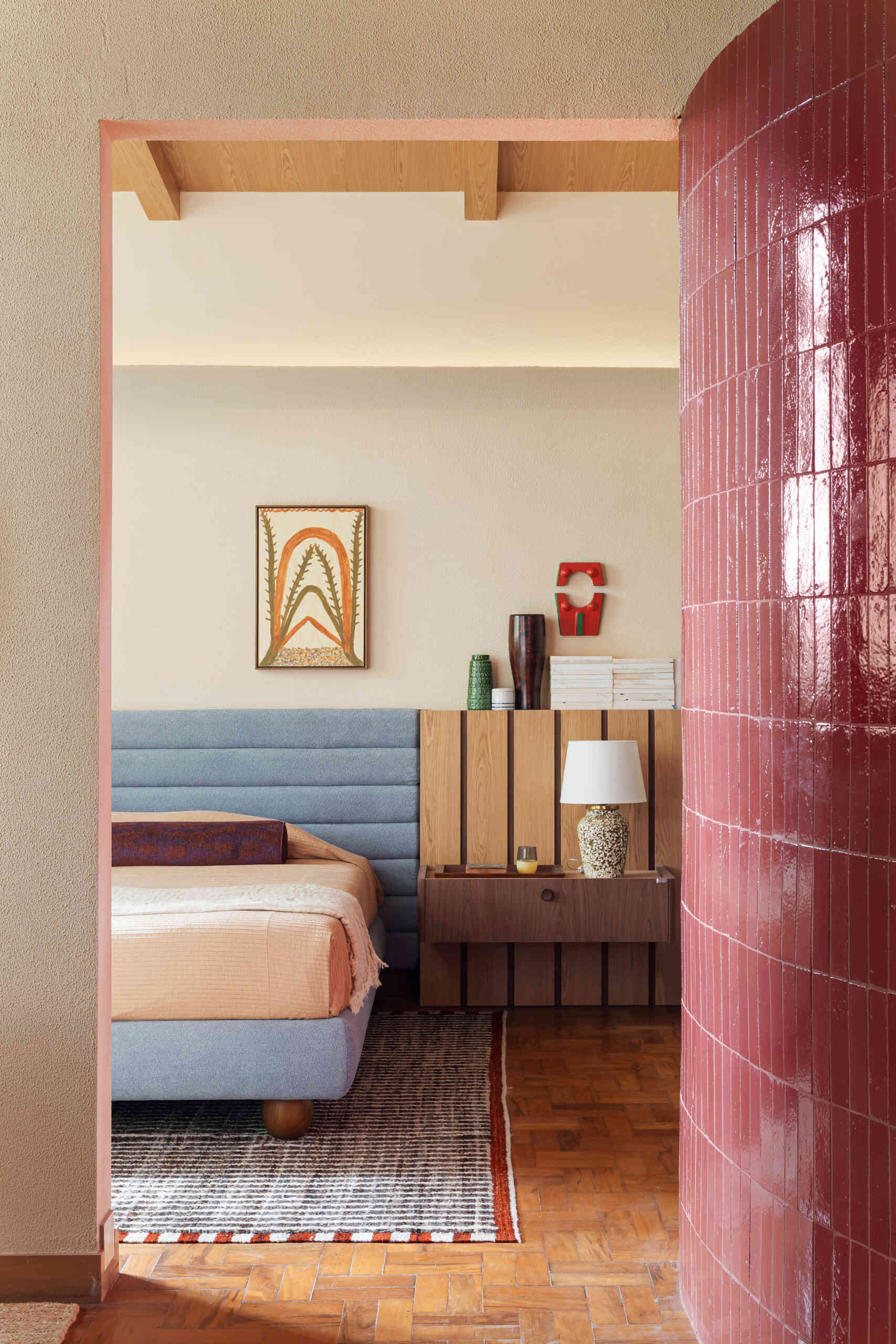
The miniature installations mark the launch of IKEA open house, a global initiative exploring how adaptable storage creates physical and mental room for daily domestic life. Inside each model, everyday furniture adapts to real living routines, featuring scaled icons such as the BILLY bookcase and METOD kitchen. Reframing storage beyond simple concealment, the Swedish company’s project demonstrates how affordable, intuitive layout adjustments support daily life rather than enforce perfection. This spatial rethinking arrives as the friction between domestic expectations and reality widens, with 82% of people keeping items purely for sentimental reasons, even if they remain out of sight or rarely used.
‘People aren’t chasing a perfect home anymore,’ says Licca Li, Home Furnishing and Retail Design Manager at Ingka Group (IKEA). ‘They want a home that feels like them, holding their stories, their memories, and the things that matter. What we keep says a lot about who we are. It was never just stuff.’

the miniature layouts showcase how intuitive adjustments open physical and mental space for personal history
IKEA FORGEs PURPOSEFUL ORGANIZATION OVER PERFECTION
The public installations examine how spatial constraints shape daily domestic behavior across different cultures. Findings from the report reveal that many inhabitants navigate two distinct environments simultaneously, balancing the actual lived-in interior with the curated version presented to guests. Kitchen countertops emerge as primary points of spatial friction, while concealed nooks absorb the weight of daily organization. Across households globally, 68% maintain a dedicated drawer for misplaced items, cables, and keys. Limited square footage also prompts unconventional storage habits, with 10% of homes worldwide, rising to 21% in South Korea, using ovens as supplementary storage space.
These spatial compromises link directly to emotional retention. Globally, nearly 1 in 5 people keep unwanted gifts simply to avoid hurting the giver’s feelings. At the same time, 26% of inhabitants admit to concealing mementos from past relationships, a behavior 6% more common among men.

kitchen countertops act as primary zones of daily spatial friction
Domestic clutter carries direct social consequences. Globally, 10% of people have canceled plans with friends because their space felt too messy, while 34% shuffle clutter between rooms before guests arrive. Time spent searching for misplaced items also varies by region, taking 15 minutes a day in the UK compared to 80 minutes in India. However, disorganization is not universally negative. Around 15% of people globally view mess as a spark for creativity, a figure that jumps to 31% in China compared to 4% in Japan. Nordström’s miniature homes and the supporting global report demonstrate that functional design should not force artificial perfection, but rather offer flexible solutions that allow people to live comfortably alongside what they treasure.

IKEA’s adaptable systems balance functional storage with room for personal history
While miniature installations introduce the project in public spaces, IKEA open house extends the experience into retail environments from late August through September. Across participating markets, visitors can explore modular storage configurations, spatial setups, and practical design solutions that make home feel calmer, more functional, and better suited to everyday routines.
‘When you build in miniature, you can’t include everything,’ says Nordström. ‘Every object has to earn its place. You quickly realize that a home isn’t defined by how much it contains, but by the things people choose to make room for. Those are the details that tell a human story.’
For a deeper dive into the research shaping these spatial solutions, readers can explore the insights in the Store & Organise Report 2026: Finding Meaning in the Mess.

designing emotionally meaningful interiors that display personal history

IKEA maps global living habits to align fixed spatial footprints with authentic domestic needs
project info:
installation: Tiny Houses
study: Store & Organise Report 2026: Finding Meaning in the Mess
artist: Christopher Robin Nordström | @tokyobuild
The post IKEA builds tiny houses to prove a point: compact spaces can hold identity appeared first on designboom | architecture & design magazine.