








podcast: indian architects adapt building codes and restore soil through trust

DESIGNBOOM X INDX|GLOBAL: ROOM FOR UTOPIAS
Continuing to explore how architecture tests alternative ways of living, the Room for Utopias podcast series, produced in collaboration with INDX|GLOBAL, presents its fourth feature. Following previous panel discussions in Paris that examined site listening and dismantled the myth of the signature style, this double feature examines the friction between rigid institutional frameworks and the human relationships required to realize a building. Hosted by designboom Managing Editor, Iñaki Laguardia, the two conversations bring together seven Indian practitioners to dissect the unseen negotiations of contemporary practice: challenging obsolete building codes, accepting material imperfection, and establishing interpersonal trust as an essential structural foundation.
challenging regulatory inertia and outdated codes in architecture
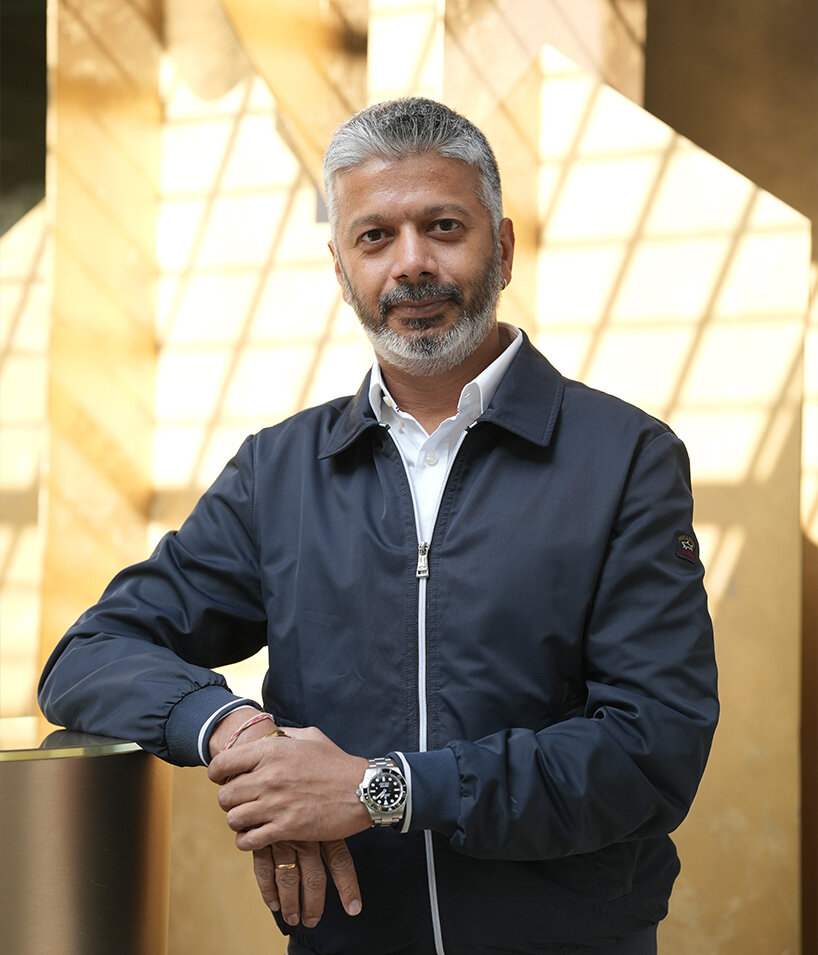
Sumit Dhawan of Cityspace 82 Architects opens the seventh episode by addressing the friction between advancing construction capabilities and static regulatory frameworks in India. Dhawan observes that while digital design tools and fabrication methods upgrade continually, statutory building codes remain decades behind current practice. ‘Technology-based items are getting upgraded every year, but not our building bylaws… trust me, in India we are still using iPhone 1 with respect to building bylaws, and otherwise we’ve reached iPhone 18,‘ Dhawan states. To overcome these limitations, his studio actively questions statutory policies, demonstrating how spatial arguments can produce compliant habitable basements where rigid interpretations once banned them. Sachi Gupta of Synthesis contrasts this situation with the regulatory climate in the UK, where environmental performance standards update every six months, requiring studios to continually adjust technical assemblies to align with legal mandates.
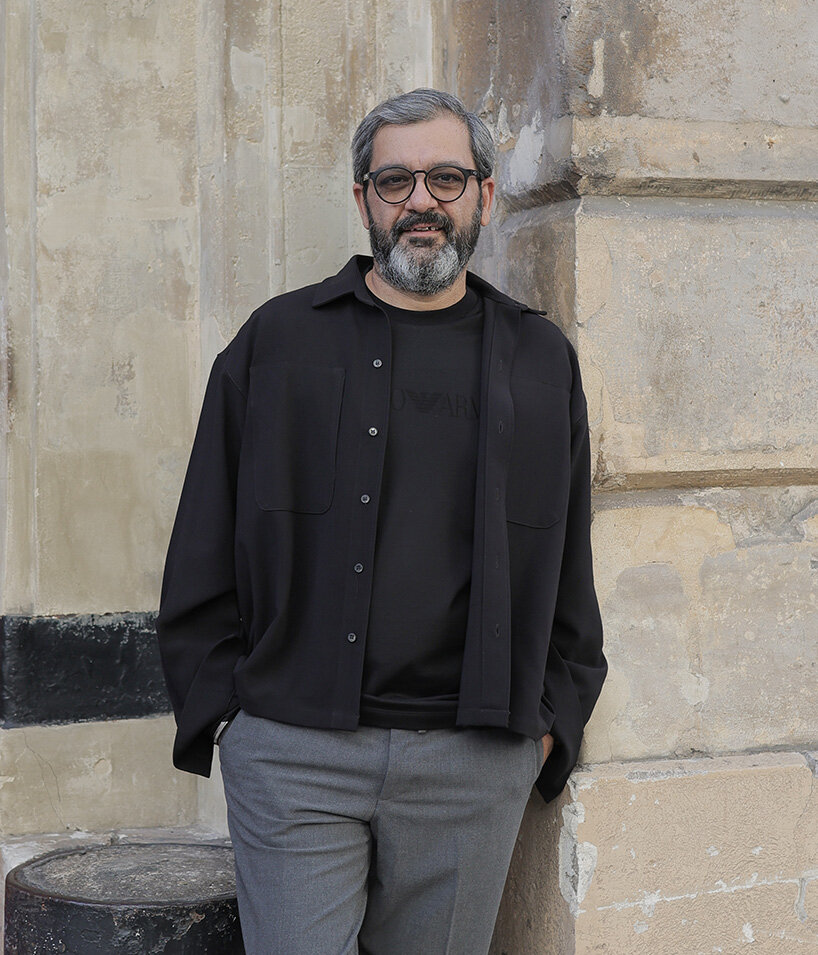
Siddharth Talwar of STA+D directs attention toward the non-negotiable physical rules established by the terrain itself. Rather than rushing into excavation and foundation pours, Talwar proposes dedicating initial project phases to environmental site repair. ‘Can we spend the first few years ecologically restoring the land? Look at how the water is flowing… allow for that kind of restoration to happen so the land is strong enough to take the act of building,‘ Talwar explains. Arguing that existing structures represent the most sustainable spatial resource, Talwar rejects singular aesthetic branding in favor of adaptive reuse, leaving structures open to spontaneous future adjustments by the occupants who inhabit them.
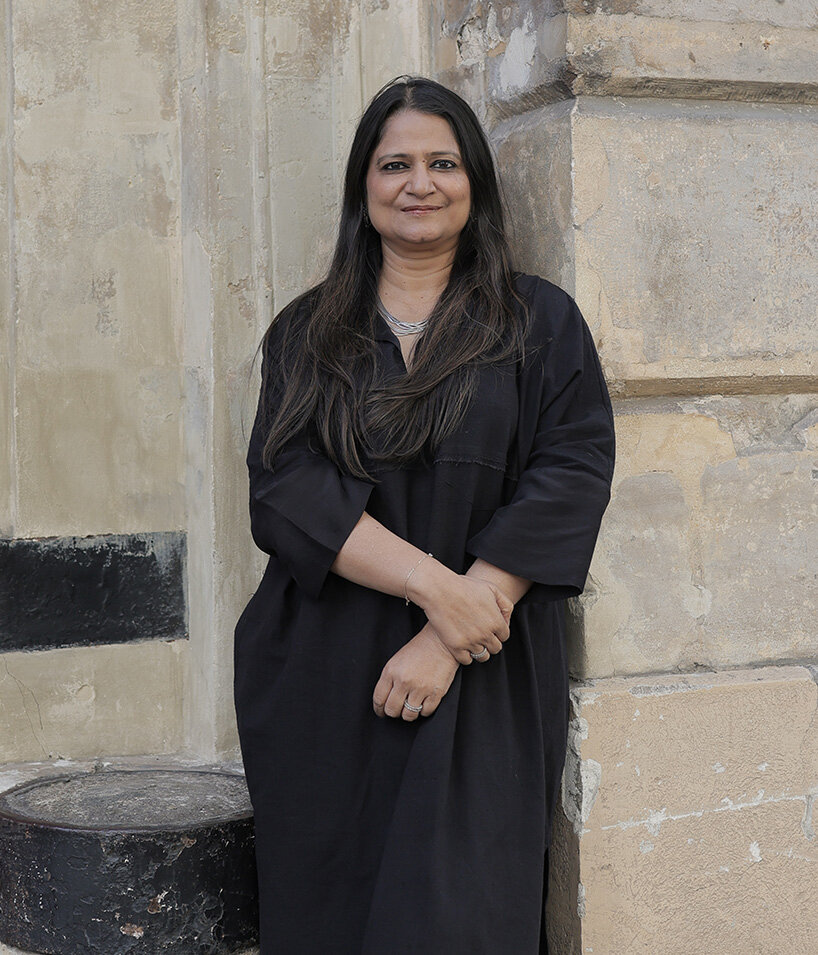
Rashna Agarwal of Studio IAAD and Zoera, returning to the series after discussing material lifespans at Milan Design Week 2026, critiques the pursuit of hyper-polished environments that resist human touch. Agarwal explains that contemporary building requires dozens of simultaneous contributors, moving final decision-making away from an individual artistic ego toward project managers, cost consultants, and fabricators. ‘We’ve started making things just too perfect… I’m going to find an answer where there is some bit of imperfection… so that touch-me-not feel has to go away,‘ Agarwal says. By deliberately accommodating material variation and natural wear, spaces retain room to settle over time.
The physical consequences of these positions appear in unpolished, tactile assemblies. Instead of sealing rooms behind uniform white partitions and mirrored paneling, the studios prioritize materials that reveal how a structure comes together. Habitable subterranean levels cut into hard earth draw indirect light through sunken stone lightwells, where retaining walls built from local rubble stay exposed rather than concealed behind veneers. Unsealed stone floors, lime washes, and hand-cut timber joinery allow surfaces to take on patina through daily contact, while open swales cut directly into the ground channel seasonal runoff to nourish native groundcover rather than directing rainwater into enclosed storm pipes.

trust as an invisible structural foundation
The eigth episode examines the intangible bonds that keep complex commissions together during execution. Jaskaran Singh of Fab Studio describes interpersonal trust as an unseen binder that unites the client’s capital investment with the studio’s technical and creative output. ‘Think of it like the invisible glue. In fact, it binds the entire thing together… Trust is really that bridge which joins these two risks and takes a project forward,‘ Singh explains. Ashmit Alag of Transform Design echoes this view, noting that client confidence directly influences operational efficiency: ‘There’s a saying that you build trust before you start building the walls. And if the trust is established, you’re not negotiating; rather, you’re all commonly moving towards the same goal.‘
When budget pressures, contractor delays, or site complications introduce friction, project members often withdraw into defensive positions. Parvez Alam of Synthesis notes that architects must maintain technical stewardship over the entire assembly to prevent work from deteriorating into compromised settlements. ‘When the trust dilution is happening… everybody’s trying to save their own interest… but as a captain, we have to take ownership. So we have to support everything that is happening and steer things towards a more collaborative team effort,‘ Alam remarks. Alag observes that while creative work naturally introduces unpredictability, clear communication and rigorous coordination keep design intent intact without alienating collaborators.
Both Singh and Alam conclude that enduring spatial design depends on understanding the emotional motives of the inhabitants rather than following surface-level image boards. Singh notes that clients often share digital references without knowing how to articulate their functional requirements, requiring architects to probe why an occupant responds to a particular volume or light condition. Alam explains that residential commissions typically span several years, during which project briefs expand into living documents that reflect shifting household routines and family milestones. For Alag, the ultimate indicator of spatial success is whether the architect remains welcome in the finished home during significant family events years after handover.
incremental innovation is future of architecture
Across both panels, the conversations demonstrate that building alternative futures does not rely on imposing immaculate formal monuments. By questioning obsolete bylaws, rehabilitating raw land, accepting material imperfections, and anchoring execution in shared trust, these Indian practitioners show that the most resilient architecture grows from the patient work of daily collaboration.
project info:
podcast: Room For Utopias
episodes: 07 and 08
theme: Architecture as a Relationship
host: Iñaki Laguardia
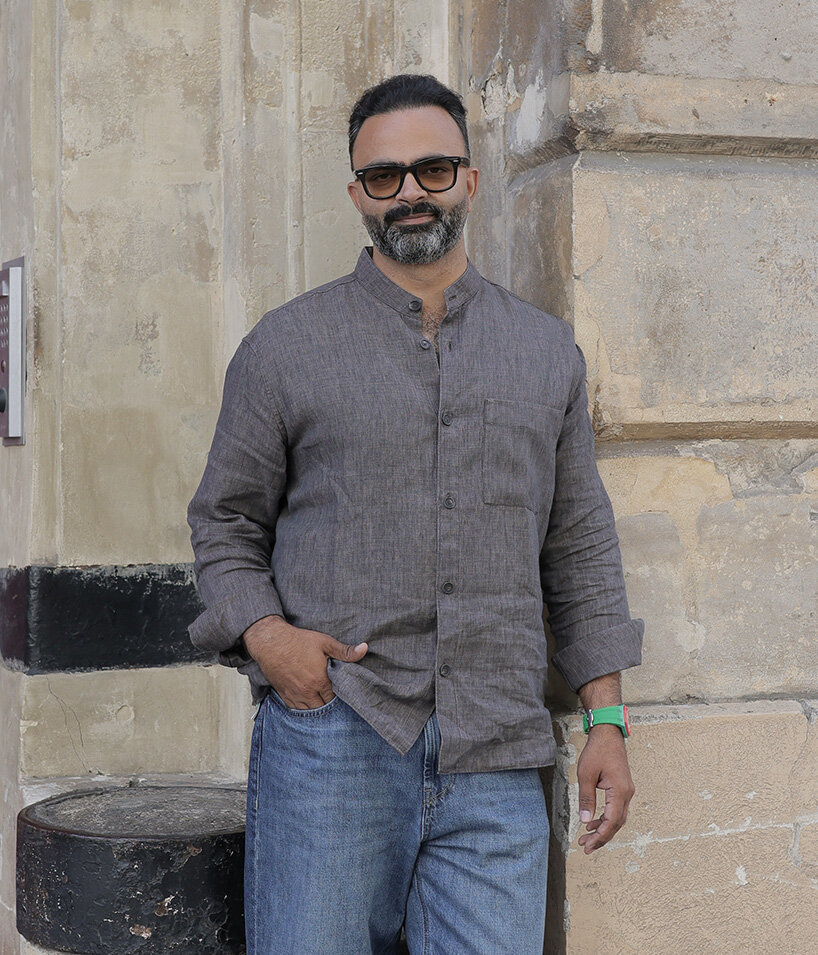
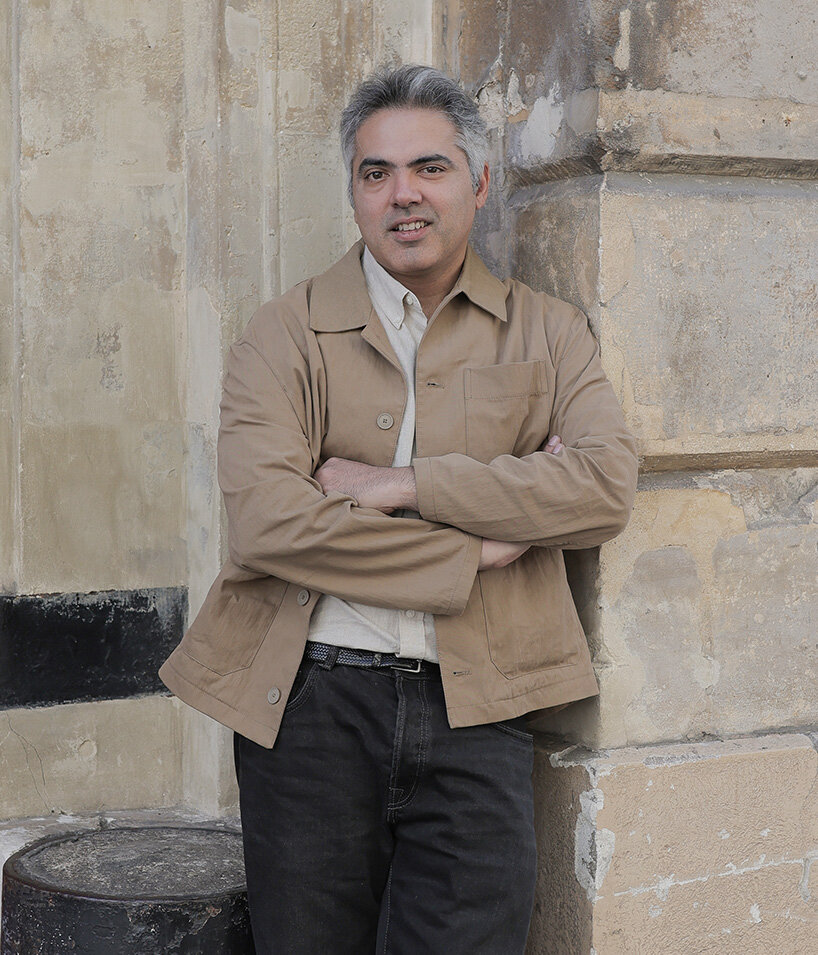
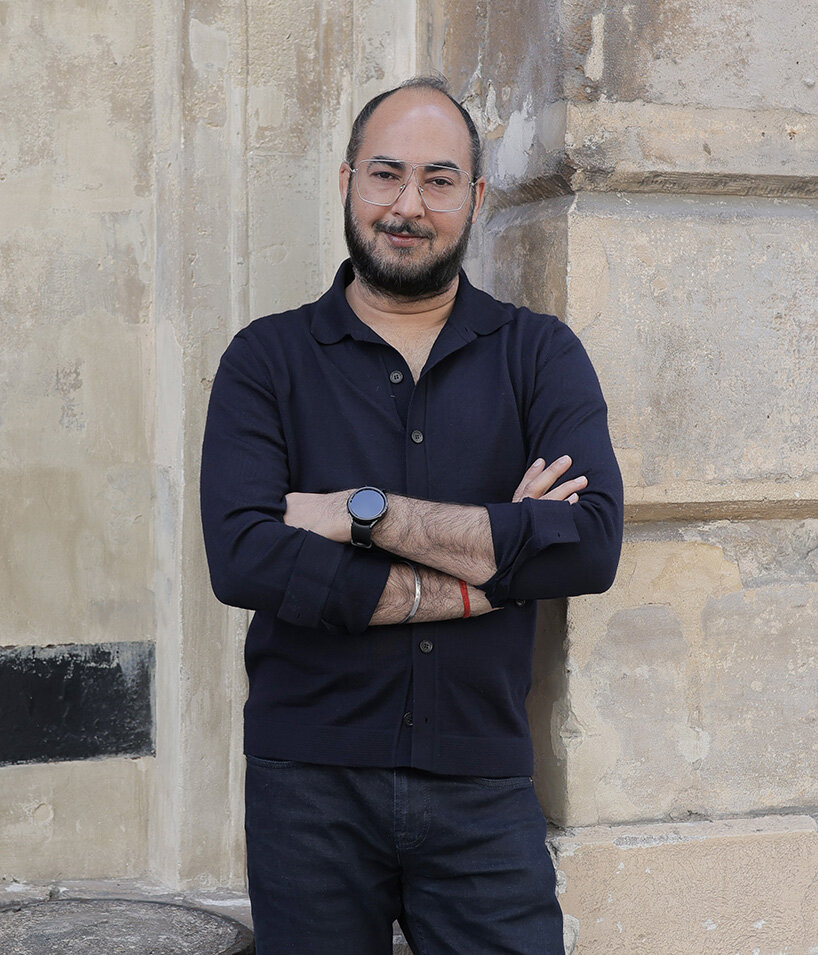
guests: Sumit Dhawan (Cityspace 82 Architects | @cityspace82_architects), Sidharth Talwar (STA+D | @sidharthatalwar), Sachi Gupta (Synthesis | @synthesislondon), Rachna Agarwal (Studio IAAD | Zoera | @studio.iaad), Jaskaran Singh (Fab Studio | @fabinteriors_fabstudio), Ashmit Alag (Transform Design | @transform_design_studio), Parvez Alam (Synthesis | @synthesislondon)
in partnership with: AMICI | @amici_india; MARMO SOLUTIONS | @marmosolutionsindia; AGGLOTECH | @agglotech
This article is part of designboom’s POSTHUMAN UTOPIAS chapter, exploring what happens when humans are no longer the measure of all things. These stories rethink our relationship with the planet through interspecies architecture, living materials, regenerative landscapes and emerging technologies – learn more here! The chapter is presented in partnership with INDX|GLOBAL – a global cultural platform placing Indian architecture, design, and creative intelligence in conversation with the world.
Each designboom editorial series explores one theme in depth through projects, interviews, features and news across architecture, design, art and technology. Discover more chapters here, and get in touch if you’d like to submit a story through our submissions portal or contact form.
The post podcast: indian architects adapt building codes and restore soil through trust appeared first on designboom | architecture & design magazine.