









This week Nokia unveiled four dumbphones with AI-powered buttons


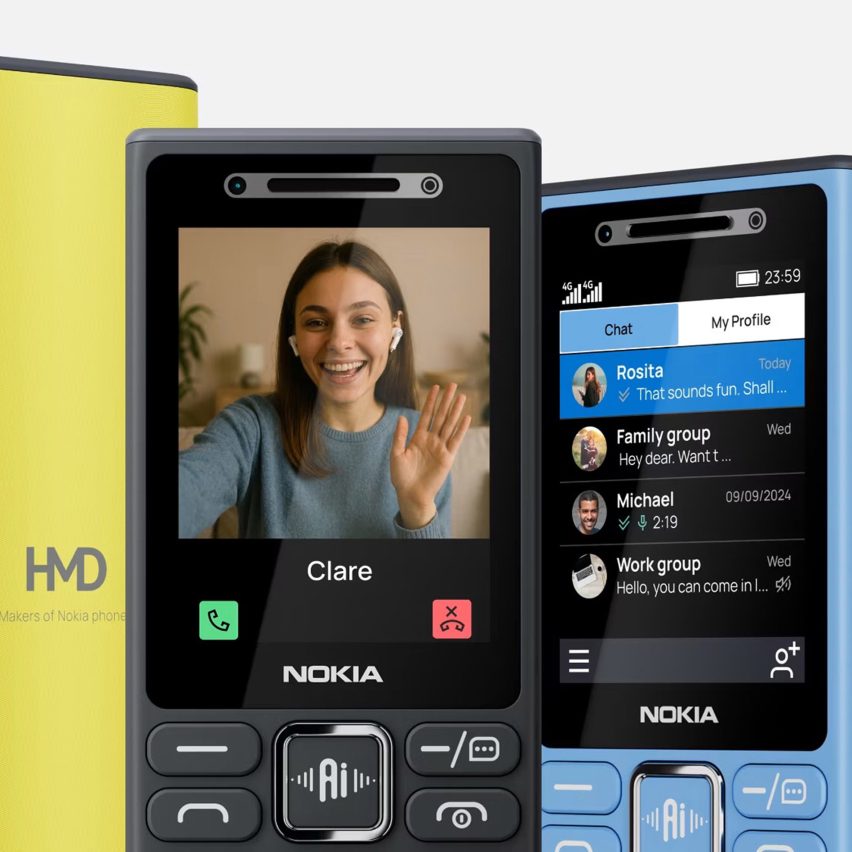
This week on Dezeen, we revealed tech company HMD's retro Nokia brick phones that have an AI assistant button in the centre of the keypad.
The four dumbphones were created for people seeking the nostalgic simplicity of a 4G feature phone that is also capable of assisting with the demands of modern life.
Rolled out by HMD, the devices are fitted with a large voice-controlled AI button at the centre of the D-pad, which assists the user with day-to-day tasks including making calls, setting alarms or turning on the torch without having to press multiple keys.
The project sparked a lively debate in our comments section, with one reader declaring the models "dumb-idea phones".

As the World Cup draws to a close, we launched our Future Stadiums series. The series takes a look at the future of one of the most impactful buildings, which exists across the globe in all shapes and sizes.
To kick things off, we rounded up 10 striking stadiums currently in development, united by their unusual designs.

In other architecture news, we reported on the 2026 shortlist for the annual Stirling Prize – run by the Royal Institute of British Architects (RIBA) and regarded as the most esteemed architecture award in the UK.
This year's shortlist includes the contentious Paddington Square, a mixed-use building designed by architecture studios Renzo Piano Building Workshop and Adamson Associates.
Also in the running is Lion Green Road, a residential development in Croydon that brings together both affordable and private homes, designed by Mary Duggan Architects and RUFF Architects.

In Georgia, it was announced that Tblisi's unopened Rike Concert Hall is set to be demolished 15 years after it was completed.
Designed by Italian practice Studio Fuksas, the concert hall's fate has been determined by Tbilisi's city hall architecture department, which has issued a permit allowing the owner of the hall to demolish the building.
Studio Fuksas subsequently released a statement on Dezeen, calling for the demolition to be halted and an alternative use for the building to be found.

Over in the North America, startup Reflect Orbital announced that it has received permission from the US federal government to test a controversial satellite bearing a 18-metre-wide mirror.
The company company claims that the device could help to light up streets and fuel solar farms after dark.
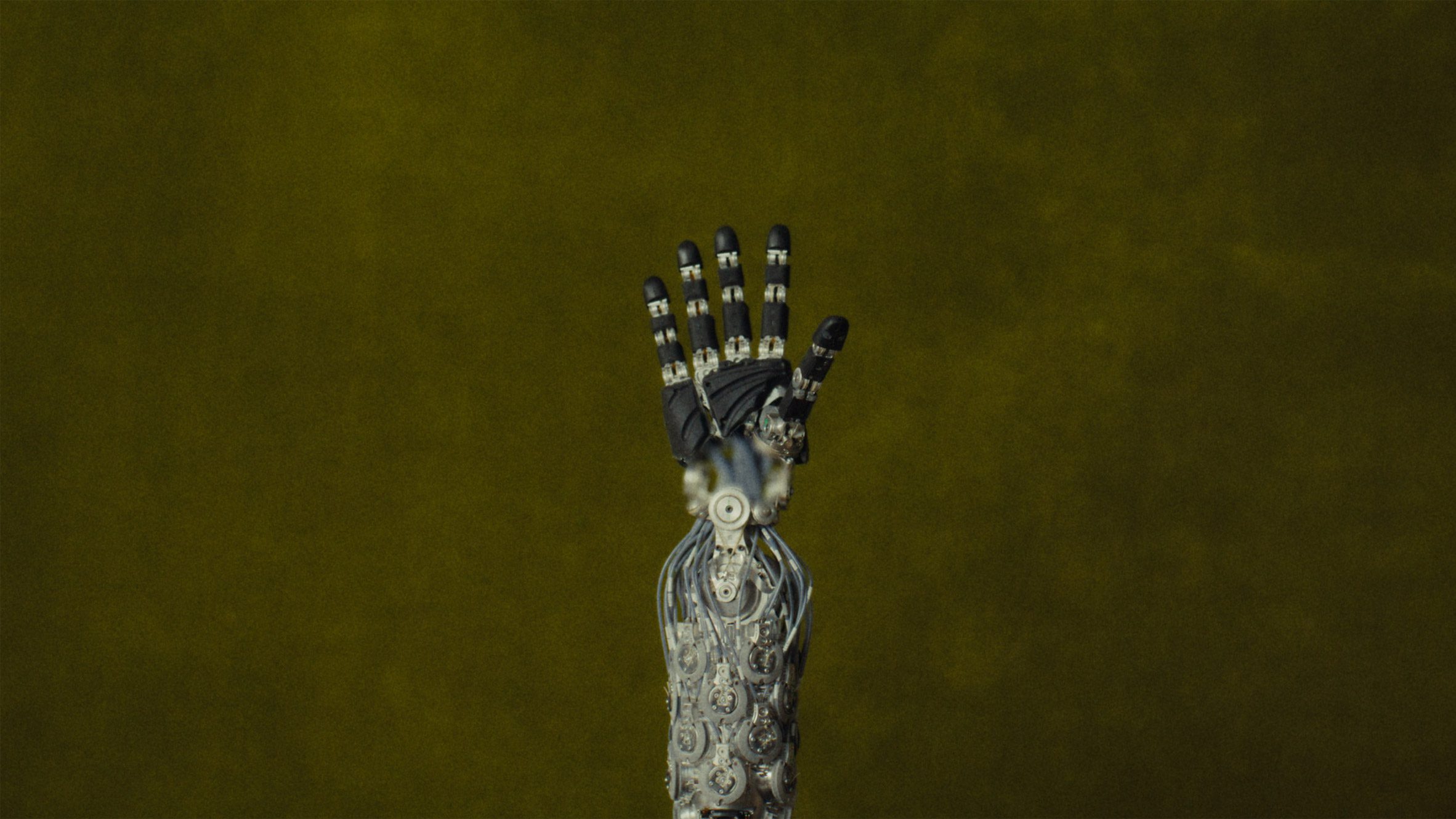
More technology projects dominated the news this week, including the updated hands of California company 1X Technologies's humanoid robot, Neo.
According to the company, the hands have been adjusted "to perform virtually any task a human can do with their hands".
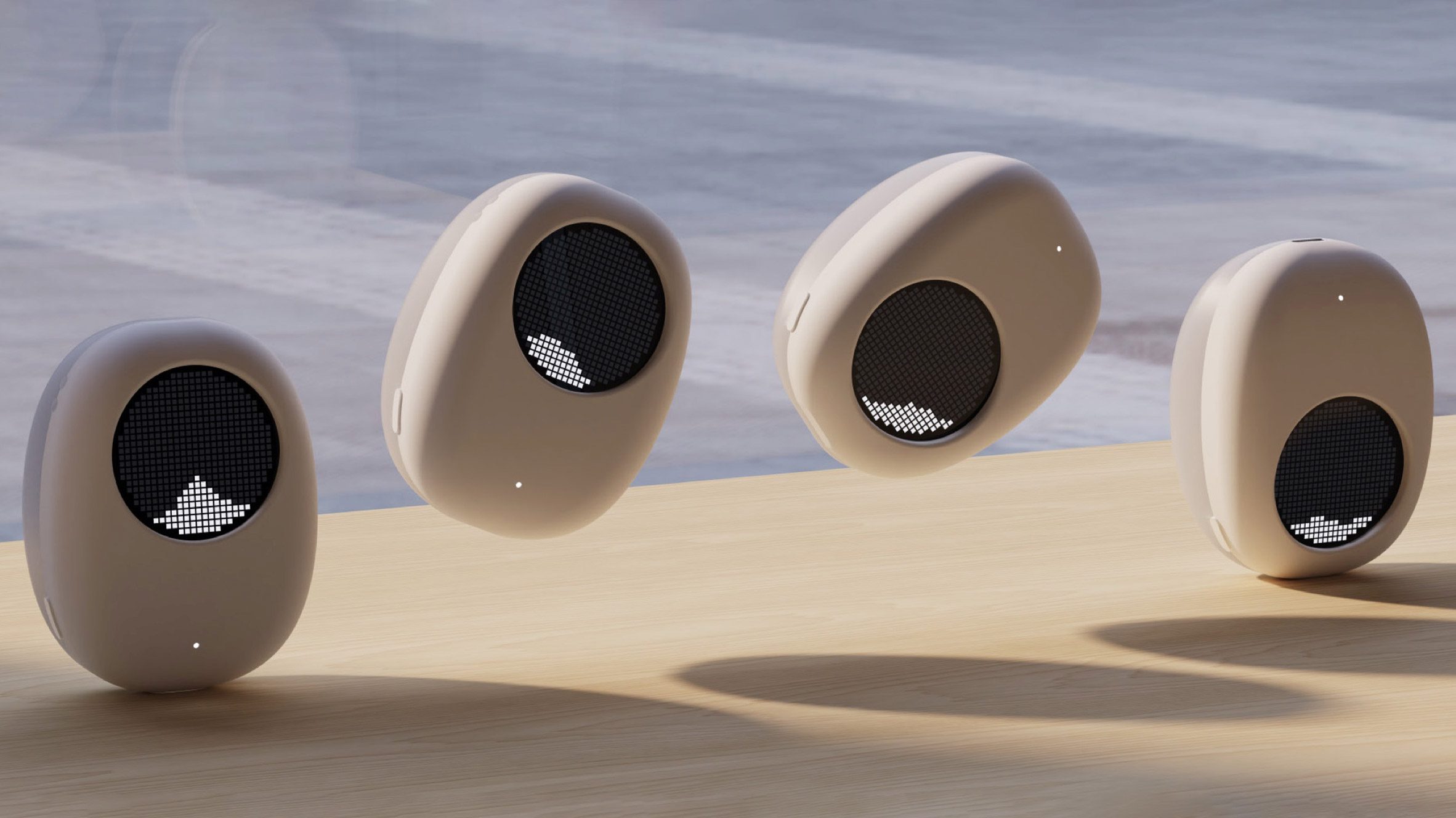
Immersion is a prototype timer created by product design student Carrie Lee, another technology-led project.
Frustrated by her own struggle to stay focused while studying, Lee conceived a portable task timer in the hope of it rivalling the addictiveness of smartphones.

In other design news, Swedish brand IKEA has unveiled Kompishäng, a collection of portable and affordable furniture designed for short-term renters.
The range includes pieces such as a £7 wardrobe organiser that doubles as a backpack and a side table that can be carried over the arm like a handbag.
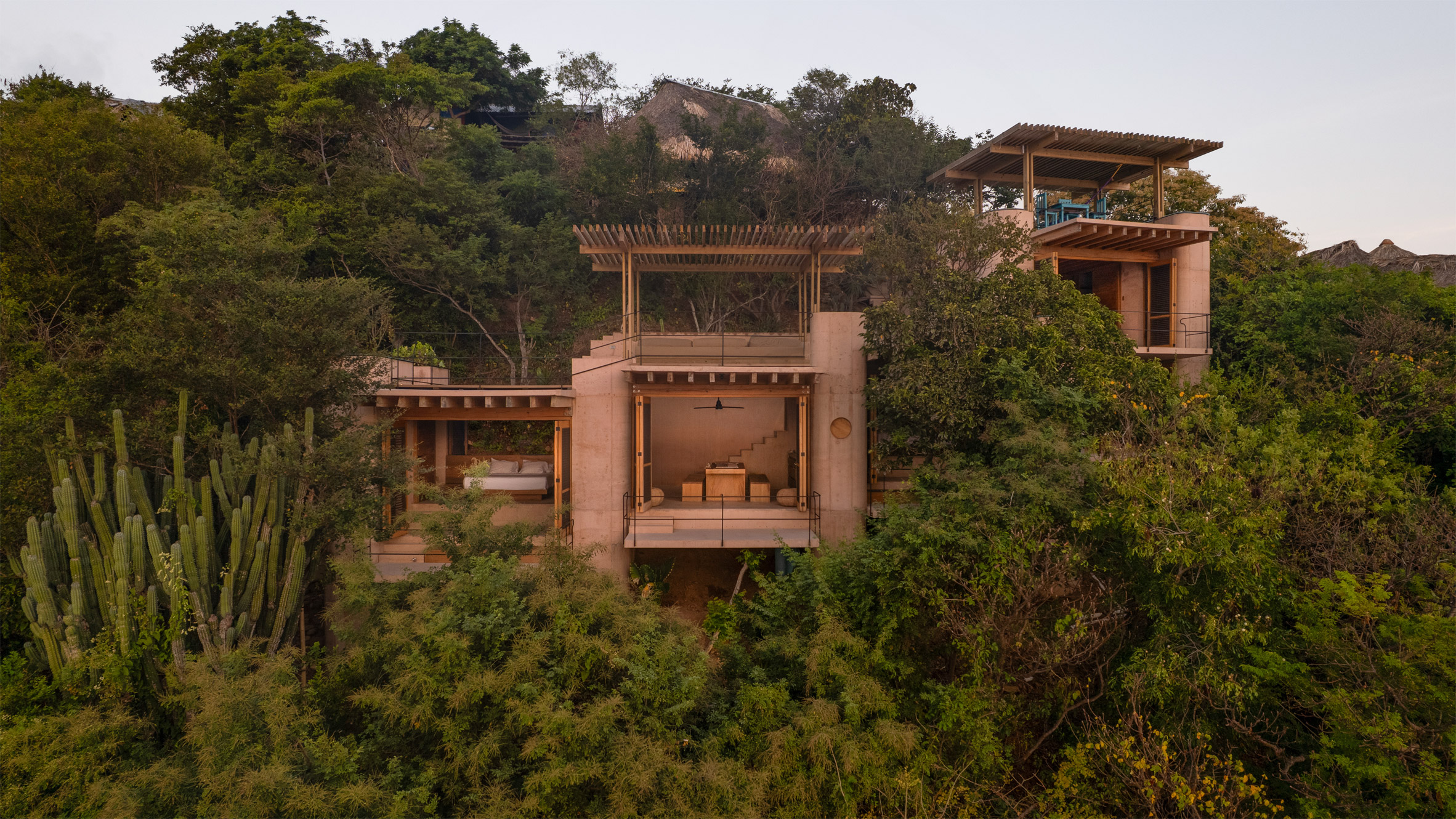
Among our most popular projects this week are a Studio Font-designed home in Mazunte, Mexico, that steps down a lush coastal cliff and the second branch of Toad Bakery in London designed by carpenter Nick Tudor.
Listen to our journalists talk about the key design and architecture stories of the past seven days on our Dezeen Weekly podcast, which this week focused on what the World Cup has taught us about stadium design.
This week on Dezeen
This week on Dezeen is our regular roundup of the week's top news stories. Subscribe to our newsletters to be sure you don't miss anything.
The post This week Nokia unveiled four dumbphones with AI-powered buttons appeared first on Dezeen.