






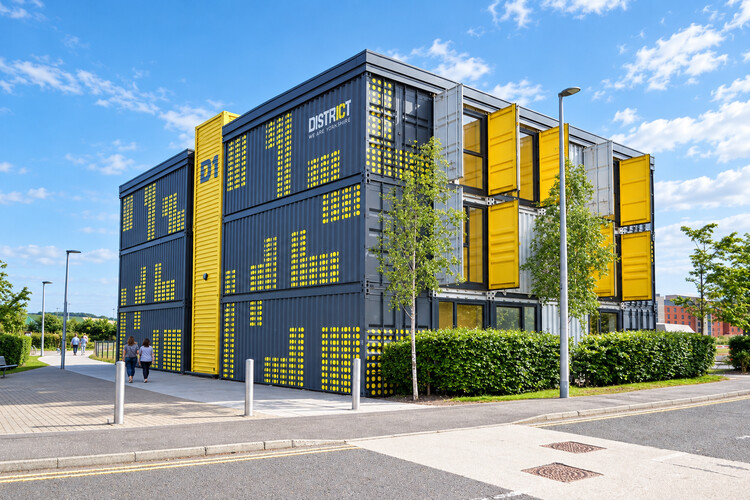

This week we looked ahead to the 2030 World Cup stadiums



This week on Dezeen, we revealed all 23 stadiums that are set to host the 2030 World Cup, which will be played across three continents.
The venues will be spread across six countries, with eleven venues in Spain expected to host matches at the tournament, six in Morocco three in Portugal and one each in Argentina, Uruguay and Paraguay.
We also continued our Future Stadium series, speaking to nine of the world's top stadium architects about the biggest shift in stadium design over the next 10 years and exploring how stadiums are turning into entertainment districts.
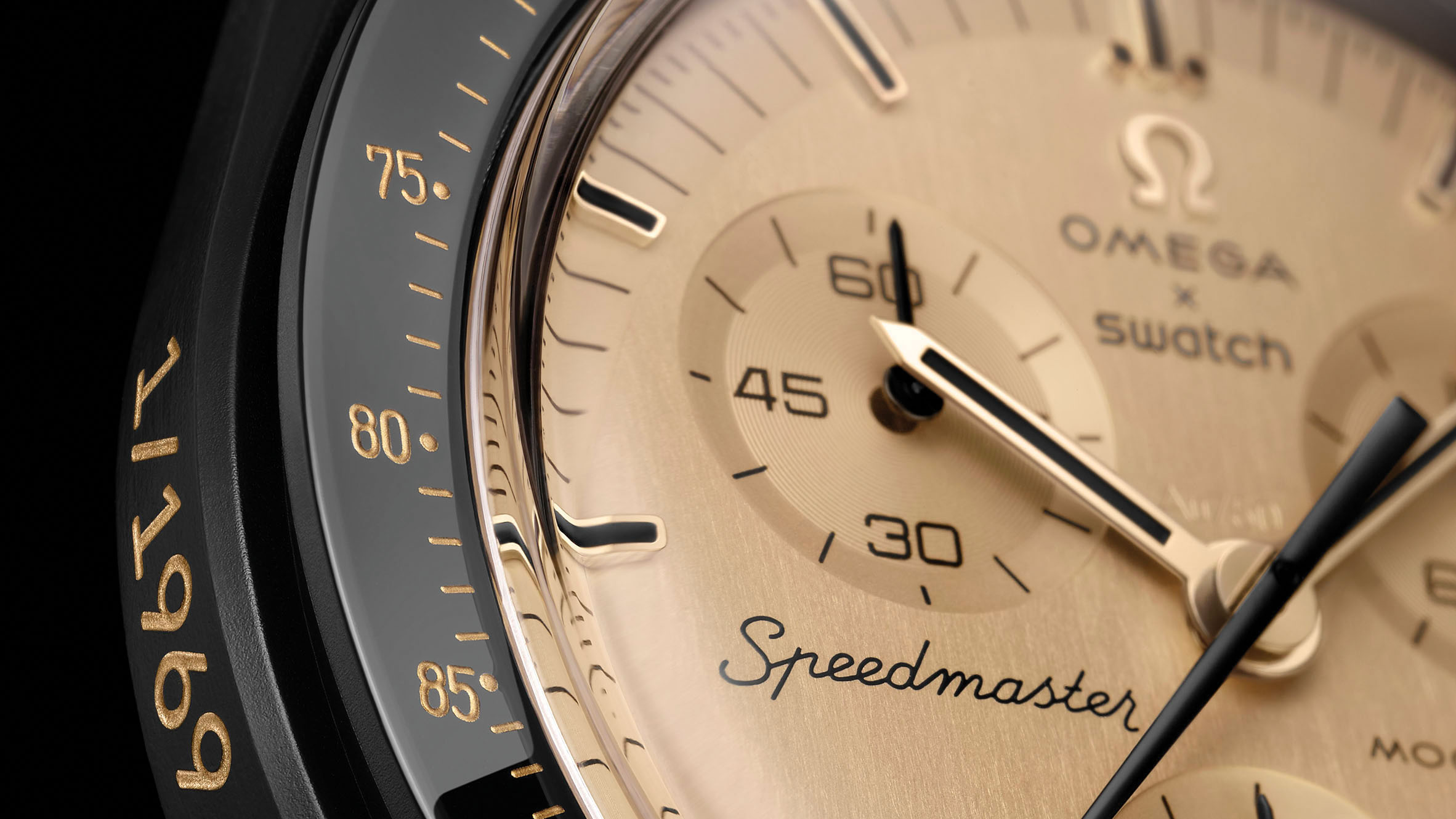
Well-known watchmakers Omega and Swatch, collaborated on the gold MoonSwatch, also known as the Moonwatch, to celebrate the anniversary of the first moon landing on 21 July 1969.
The watch, called Mission to the Moon 1969, comes in a limited run of 1,969 watches and is made of gold from 1969.
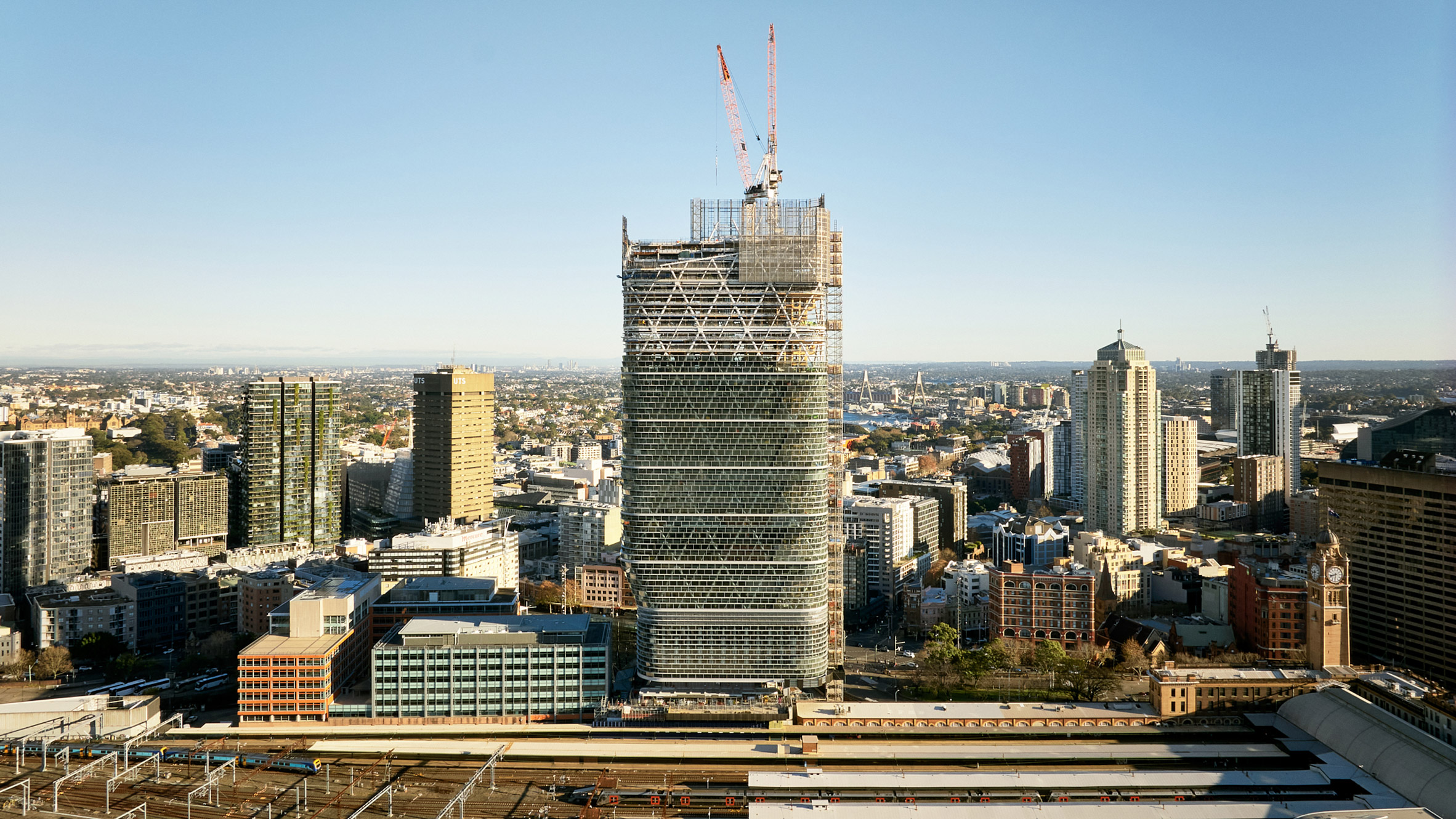
The world's tallest hybrid timber tower, the Atlassian Central skyscraper designed by SHoP Architects and BVN Architecture, has topped out in Sydney, Australia.
Reaching 180 metres, the office tower has a hybrid structure of timber, steel and concrete.

In other architecture news, MVRDV won social enterprise Shift's competition to design a €240 million landmark in Rotterdam, the Netherlands.
The winning design, called Rotterdam Rocks!, was designed to look like seven giant, stacked rocks on the banks of the river Maas, and will incorporate terraces, exhibition spaces and greenery.
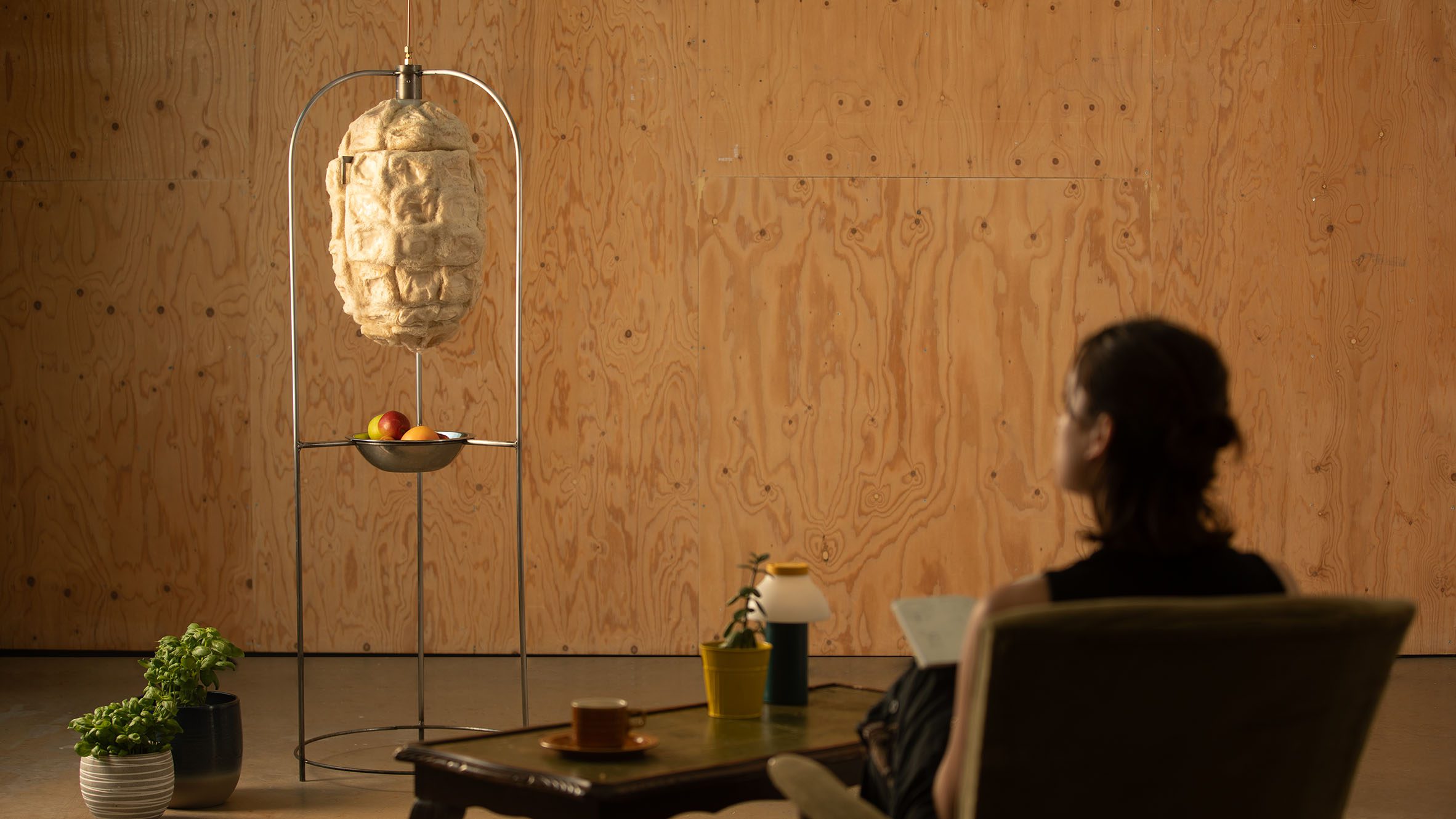
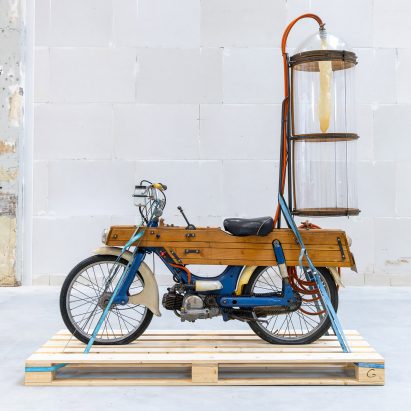
Natural solutions to technological problems were in the spotlight, as we revealed designer Audrey Levy's project How to Grow a Refrigerator. The designer used sustainable insulating and cooling technologies that take advantage of the power of bacteria and the sun.
Algae, meanwhile, was used by bio-designer Lucia Giron and the University of Cambridge to develop a "biocell" battery that harnesses the power of photosynthesis for electricity.
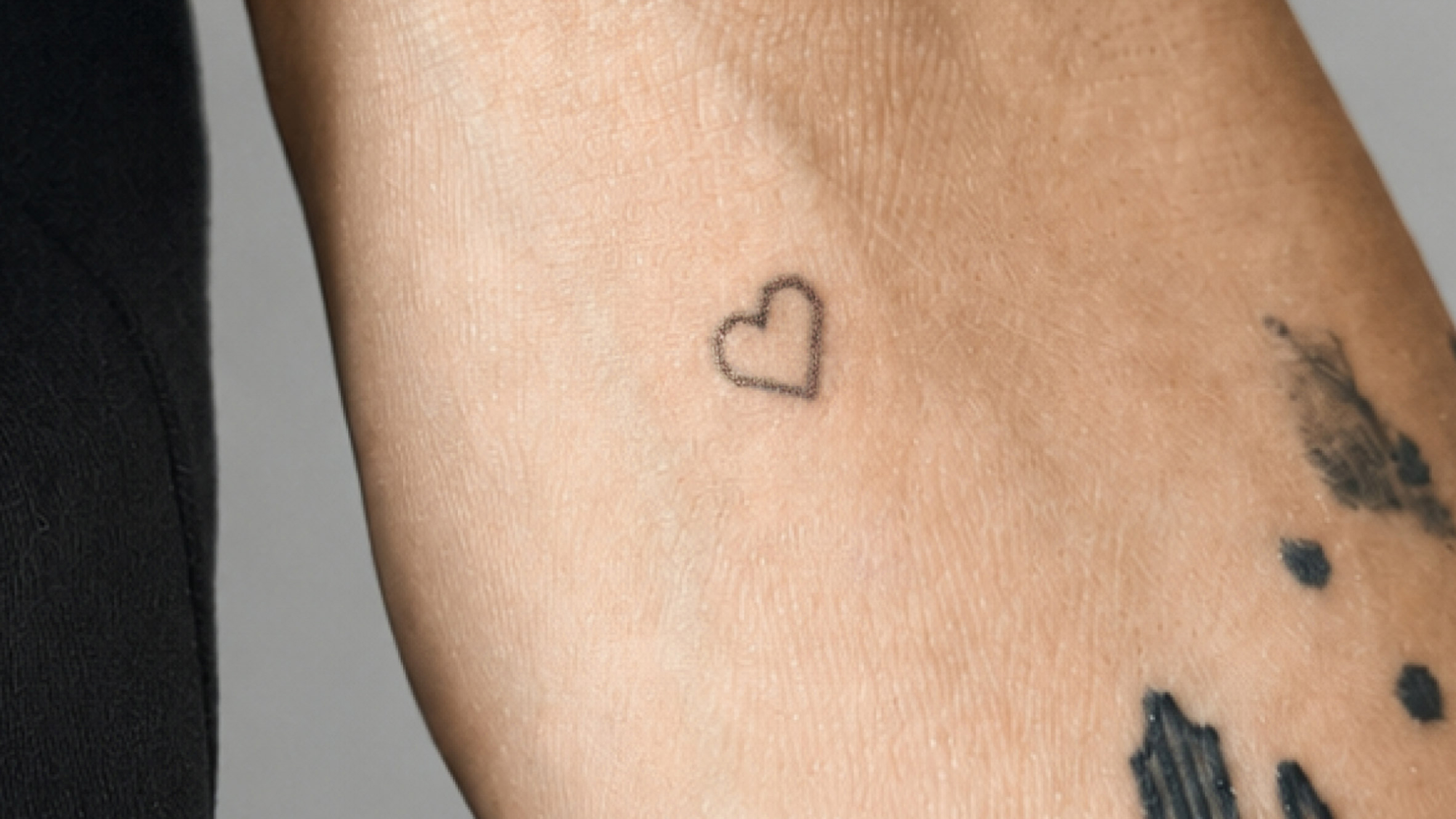
In other design news, the world's first painless tattoo was revealed this week (and tested by Dezeen editor Tom Ravenscroft).
Created by London biotech company CipherX, the permanent microdot tattoos are created using dissolvable microneedles instead of a traditional tattoo gun, making the process painless.

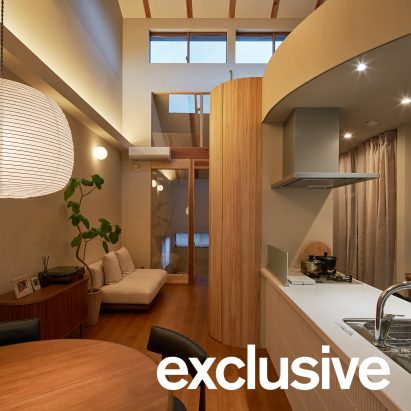
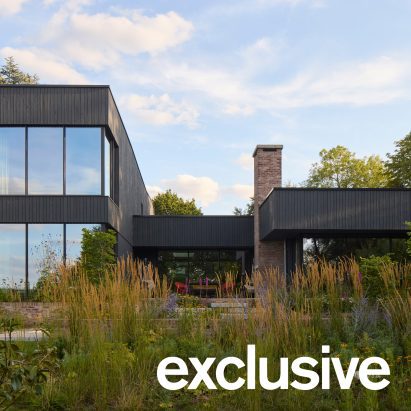
Popular projects this week included a four-storey building in Tokyo that combines a home and a ballet studio, a China skyscraper wrapped in a one-kilometre-long "landscape ribbon" and a London extension centred around a stairwell.
Listen to our journalists talk about the key design and architecture stories of the past seven days on our Dezeen Weekly podcast, which this week focused on the Stirling Prize shortlist, asking: Has architecture become too boring?
This week on Dezeen
This week on Dezeen is our regular roundup of the week's top news stories. Subscribe to our newsletters to be sure you don't miss anything.
The post This week we looked ahead to the 2030 World Cup stadiums appeared first on Dezeen.