




who gets to stay when cities become digital nomad destinations?


the digital nomad destination is becoming a spatial model
Across Lisbon, Mexico City, Athens, and Bali, the rise of location-independent work is changing what buildings are for, how apartments are renovated, which businesses occupy ground floors, and where housing sits within the wider economy. The arrival of high-earning, globally mobile workers can bring new investment into cities, but it can also push property values away from local wages, accelerate short-term rental conversions, and reshape architecture around residents who may plan to only stay there for months.
The transformation is particularly visible in places where foreign purchasing power meets comparatively lower local incomes. A long-term apartment can become a short-term rental, a family home can become a collection of compact studios, a historic building can retain its facade while its interior is completely reorganized, and a neighborhood cafe or shop can give way to a business calibrated toward international visitors.
Cities often attract mobile workers because they promise affordability, culture, good weather, infrastructure, and a particular quality of life. Yet the same influx can make those qualities inaccessible to the people who already live there. The question, then, is not whether digital nomads belong in these places, but who gets to remain when a city becomes desirable on a global scale?

aerial photo taken by drone of iconic new modern Acropolis museum, Acropolis hill and the Parthenon at the background, Athens historic centre | image © Aerial-motion via Shutterstock
lisbon turns historic housing into a new investment landscape
Lisbon offers a particularly clear example of how policy, real estate, and architecture can work together. Following Portugal’s financial crisis, measures designed to attract foreign capital helped make property investment and international residency part of a broader economic strategy. The Golden Visa and Non-Habitual Resident regimes were followed by the D8 digital nomad visa, formalizing the appeal of the country to internationally mobile professionals.
The consequences become visible at the scale of the apartment building. Historic residential properties in Lisbon are increasingly adapted for higher-value tenants and short-term accommodation, sometimes through a process commonly described as facadism. Historic exteriors remain while interiors are stripped of their previous organization and replaced with open-plan apartments, compact units, and contemporary finishes. Traditional apartment buildings encode particular forms of domestic life through their rooms, circulation, courtyards, staircases, and relationships between households. When those arrangements are replaced by units designed for temporary occupation, architecture changes alongside the social structure of the building.
The pressure also moves beyond housing to longstanding neighborhood businesses that can be replaced by restaurants, fitness studios, specialty coffee shops, and coworking spaces whose prices and visual language correspond to a more international clientele. The city becomes easier to inhabit for a mobile professional while becoming harder to afford for someone whose income remains tied to the local economy.
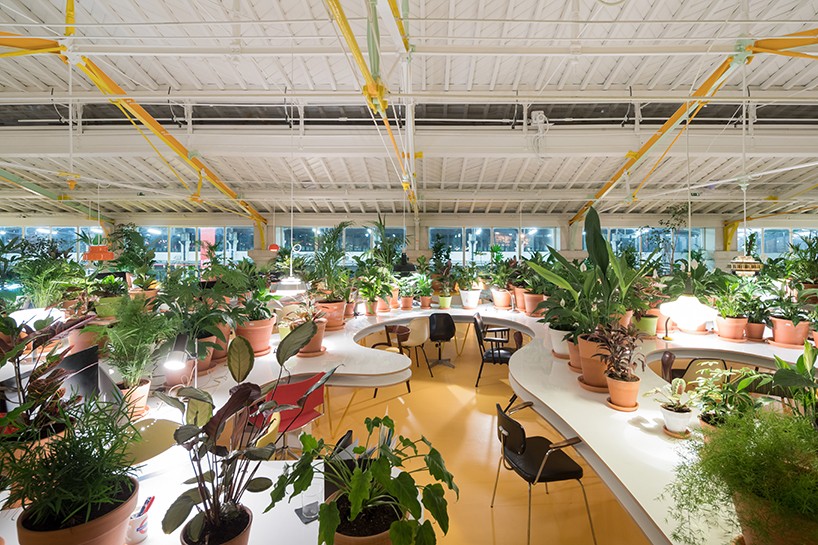
Second Home Lisbon by Selgascano | image © Iwan Baan
mexico city and the aesthetics of gentrification
In Mexico City, the transformation is especially visible in Roma Norte, Condesa, Hipódromo, and surrounding neighborhoods. Remote workers attracted by the city’s culture, climate, connectivity, and comparatively lower cost of living have contributed to growing demand for furnished apartments and short-term accommodation.
The change is not only economic. It is also visible in the growing sameness of the spaces built for this new population. Writer Kyle Chayka coined the term AirSpace to describe a global geography of cafes, Airbnbs, coworking spaces, and startup interiors that share the same visual language and promise the same frictionless sense of comfort, wherever they are located. The phenomenon is driven by digital platforms, recommendation algorithms, social media, and the circulation of globalized taste.
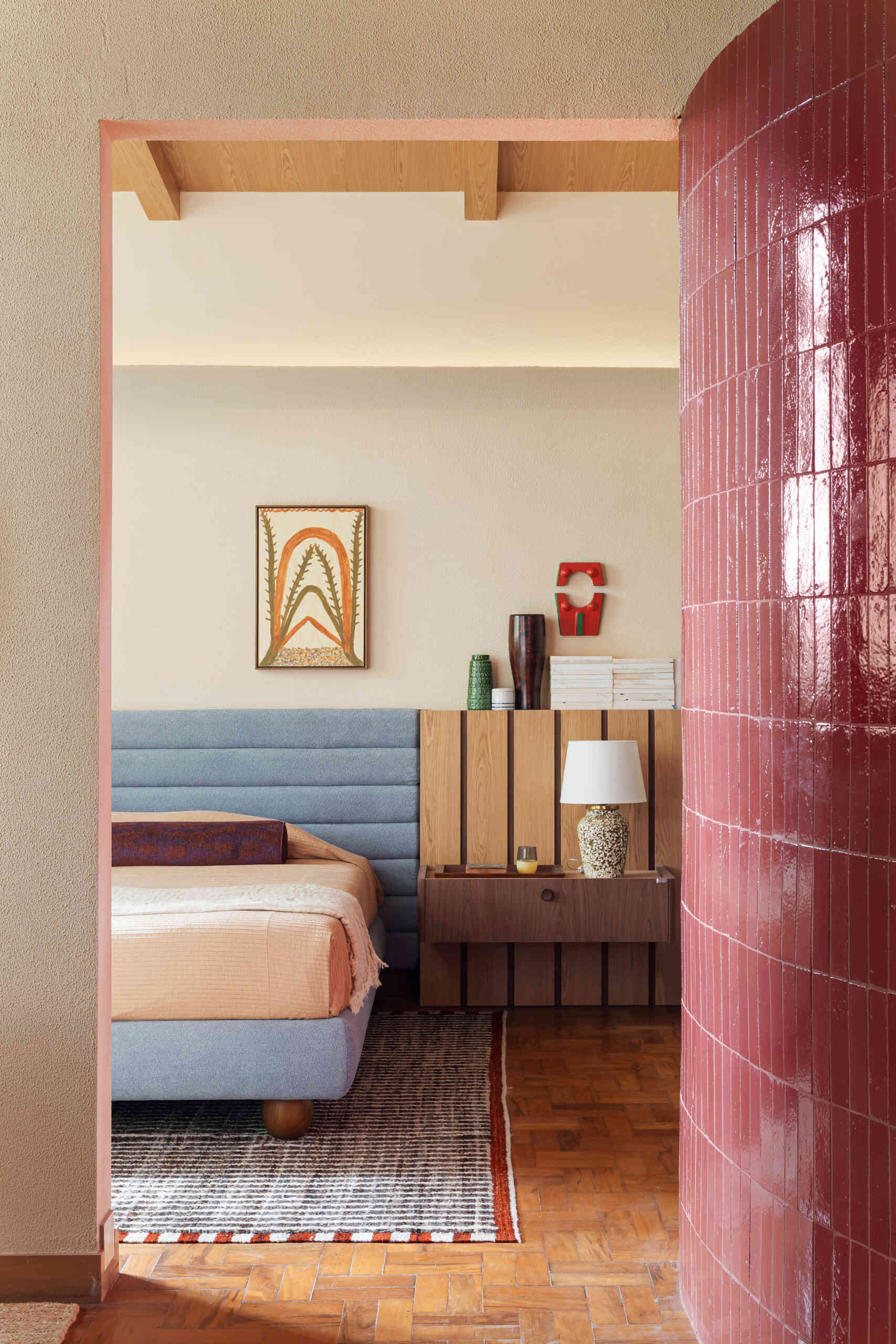
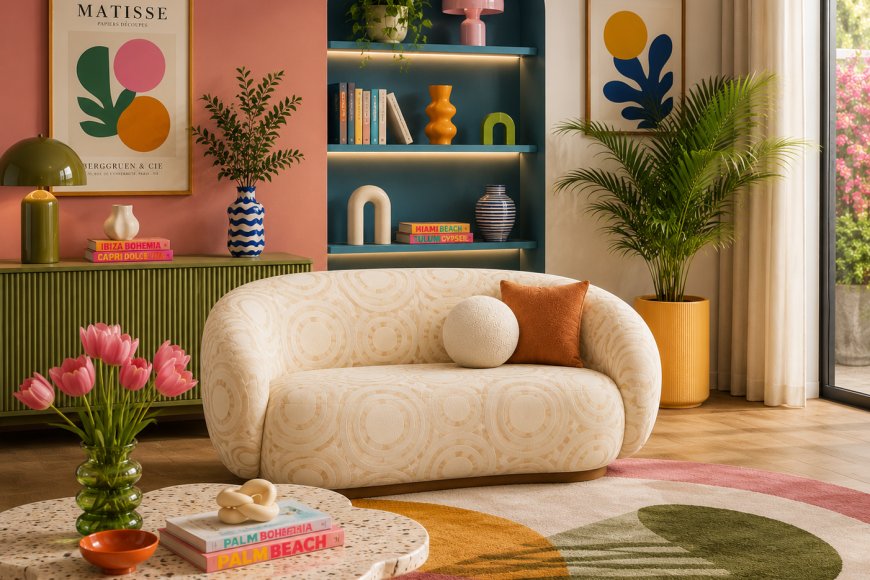
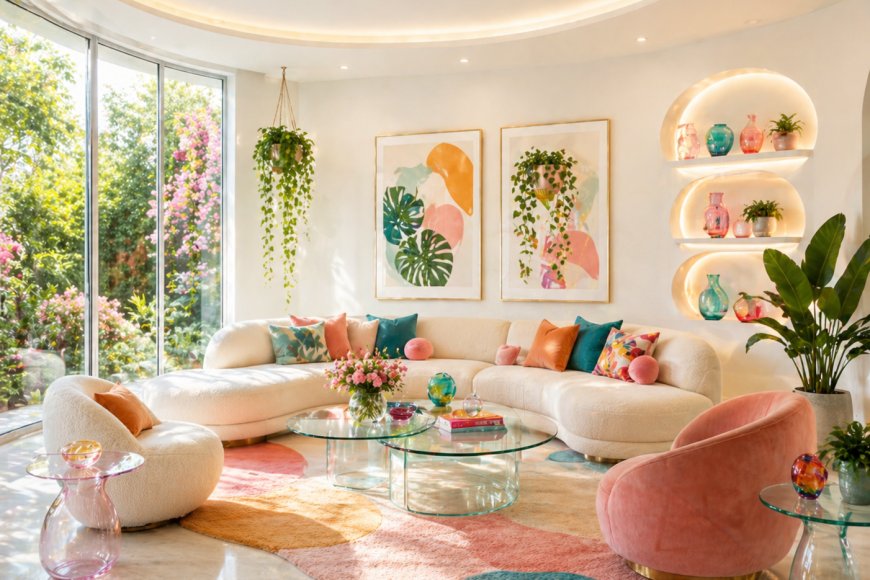
In Mexico City, this sameness appears in the recurring use of exposed brick, polished concrete, pale wood, terrazzo, plants, black metal, and industrial lighting. An apartment in Roma Norte can begin to look much like a rental in Lisbon or a coworking space in Bali. For digital nomads, this familiarity makes moving between cities easy, as it can make each space look like home. But the more these spaces follow the same visual formula, the less distinctive their local context becomes. AirSpace offers the comfort of feeling at home anywhere, while making those places increasingly interchangeable. In Mexico City, this aesthetic shift accompanies a broader economic one. Apartments are renovated for short-term and higher-income tenants, while neighborhood businesses are replaced by cafes, restaurants, fitness studios, and other services aimed at international customers. The city is changing not only in who can afford to live there but also in what its neighborhoods look and feel like.

Ciudad de México, CDMX, México | image by Davis Arenas
athens and the polykatoikia under pressure
In Athens, the impact of short-term rentals is playing out inside the polykatoikia, the postwar apartment block that defines much of the city’s neighborhoods. For decades, these buildings have brought together apartments, small businesses, cafes, bars, restaurants, and other everyday services under the same roof. That mix is becoming harder to maintain, as ground-floor spaces once occupied by longstanding neighborhood businesses are increasingly being converted into hotel entrances, reception areas, or other spaces serving short-term accommodation.
Above them, apartments that were once rented to local residents can be bought up by investors and converted into short-term rentals. In some cases, entire polykatoikias are acquired and reorganized as hotels or collections of rental units, changing the building and the community around it. What is changing is the everyday life around these buildings, the people living upstairs, the kafenio downstairs, the shop on the corner. More and more, those spaces are being geared toward short-term visitors instead.
The adaptability of the polykatoikia makes this shift particularly visible. Its concrete frame can remain largely unchanged while the interior is reorganized around a different market. Apartments that once housed families can become a series of short-term units, while higher-value properties attract investors looking to benefit from Athens’ growing tourism and rental markets.

image by Diego F. Parra
in bali, gentrification reaches agricultural infrastructure
Bali demonstrates how the same spatial logic can move beyond the apartment and into the landscape. Across parts of South Bali, including Canggu, Pererenan, Umalas, and Uluwatu, villa development, hospitality, wellness, and coworking infrastructure have expanded alongside the international remote-work economy. Here the architectural stakes are different because development intersects with agricultural systems. The Subak, Bali’s traditional irrigation network, links rice cultivation, water management, community organization, and religious practice into a shared landscape.
When development occupies agricultural land or interferes with irrigation networks, the consequences extend beyond the appearance of a village. Water, farming, land ownership, and community life become part of the same spatial conflict. A private villa may offer reliable internet, backup power, landscaped gardens, and a swimming pool while neighboring agricultural communities contend with increasing pressure on land and water. The architecture of the digital nomad destination can therefore create infrastructural asymmetries that are difficult to see from inside the enclave.
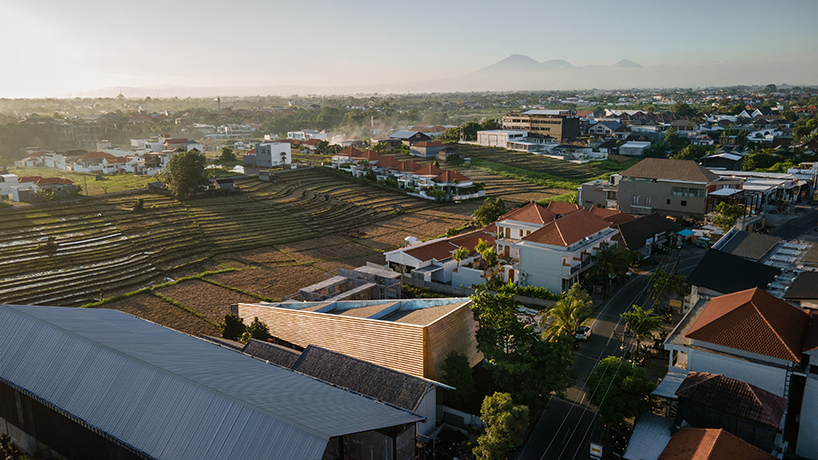
Pererenan, Bali | image by Studio Kota
from facadism to airspace, architecture records who a city is for
Taken together, Lisbon, Mexico City, Athens, and Bali reveal different versions of the same spatial process. In Lisbon, historic housing becomes an investment and hospitality asset. In Mexico City, local architectural character is increasingly overlaid by a globally recognizable interior aesthetic. In Athens, the adaptable polykatoikia becomes short-term accommodation. In Bali, tourism development reaches agricultural and water infrastructure.
The renovated apartment, the coworking space, the boutique cafe, the villa compound, and the disappearing neighborhood shop are all pieces of the same transformation. They reveal how quickly a physical environment of a city can respond to a new economic class.
The term AirSpace is useful here because it captures a condition in which spaces become interchangeable: familiar enough to make a transient resident comfortable, polished enough to photograph, and flexible enough to be converted from home to rental to hospitality product. What gets lost is the accumulated specificity of everyday life.
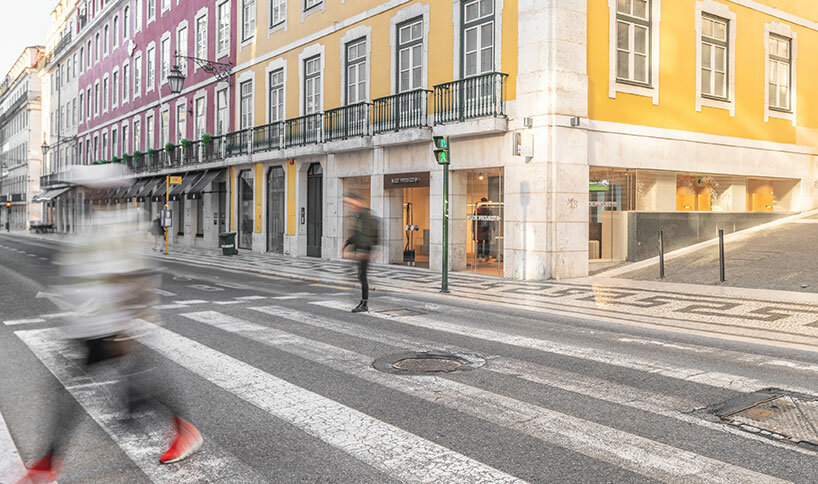
image by Miguel Fernández-Galiano
can architecture design a different kind of nomad city?
The policy responses emerging in these destinations suggest that regulation alone cannot resolve the spatial consequences of transnational gentrification. Restrictions on short-term rentals can protect housing stock, but they do not automatically create affordable homes, preserve local commerce, or repair the social infrastructure that displacement erodes. This is where architecture and planning can move from reaction to proposition.
Community land trusts and housing cooperatives can separate land ownership from speculative value and preserve affordability over time. Historic-center planning can require residential projects to retain meaningful portions of housing for local residents rather than allowing entire buildings to become ‘luxury’ accommodation. Adaptive reuse can prioritize libraries, workshops, community facilities, and affordable coworking spaces alongside commercial programs.
In Bali and other fragile landscapes, architecture must work with existing ecological infrastructure rather than treating agricultural land and water systems as empty development sites. Rainwater collection, groundwater protection, preservation of irrigation networks, and strict limits on land conversion can become design requirements. The more interesting future may not be a city that rejects mobile workers but one that refuses to reorganize itself entirely around them.
The digital nomad economy exposes a fundamental question about contemporary architecture: is a building primarily an asset, a service, or a place of belonging? If cities are increasingly inhabited by people who move through them, the challenge is to ensure that permanence does not become a privilege reserved for those who can afford it. A genuinely optimistic response would not romanticize either the local or the nomadic city. It would ask whether both can coexist and what kinds of housing, public space, commercial architecture, and ecological infrastructure would make that possible.
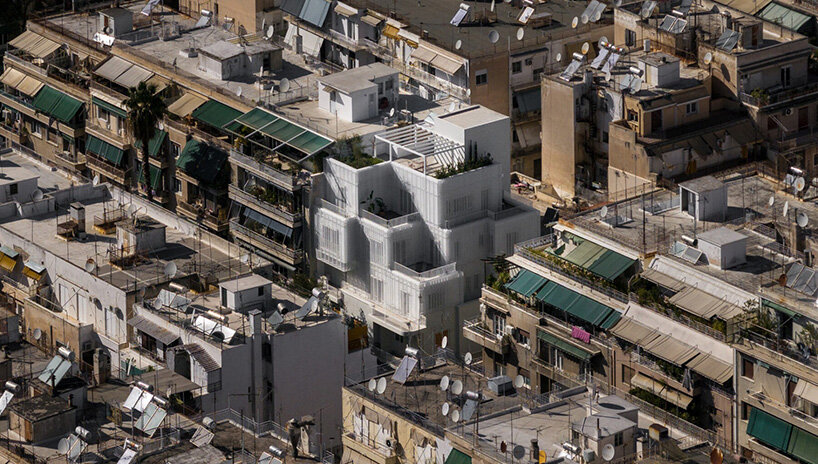
image by Giorgos Sfakianakis
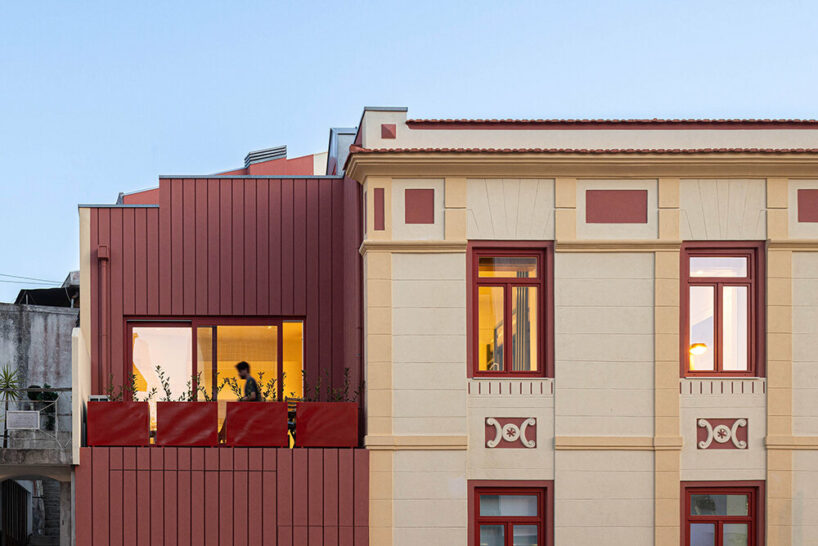
image by © Ivo Tavares
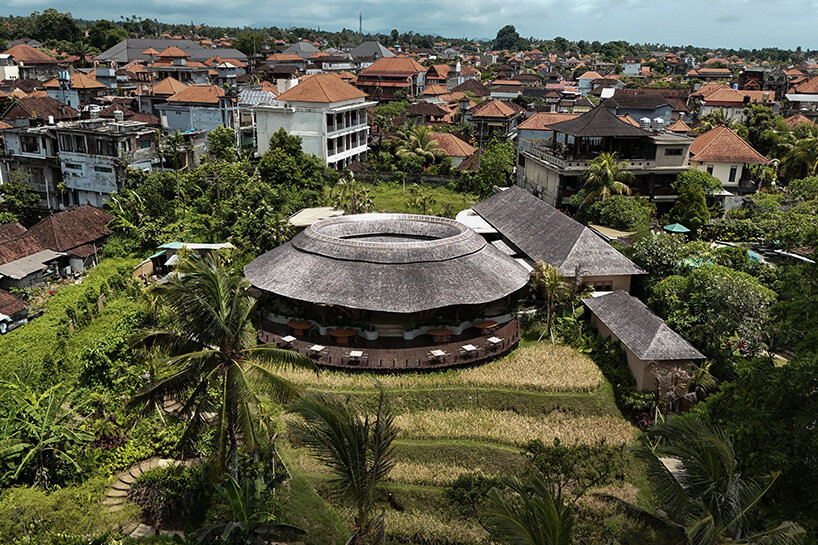
in Juna Ubud Restaurant, the stepped roof directs rainwater to a central point | image courtesy of Pablo Luna Studio

image by Lorenzo Zandri
This article is part of designboom’s MODES OF HABITATION chapter, exploring how the spaces we inhabit can reshape the ways we live together. Discover more stories rethinking domesticity, shared living, and the many forms a home can take here.
The post who gets to stay when cities become digital nomad destinations? appeared first on designboom | architecture & design magazine.