






















Meta debuts Tamagotchi-style AI agent

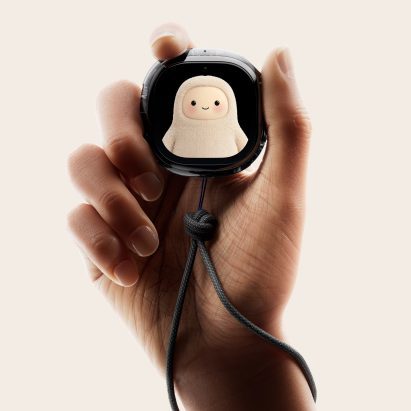
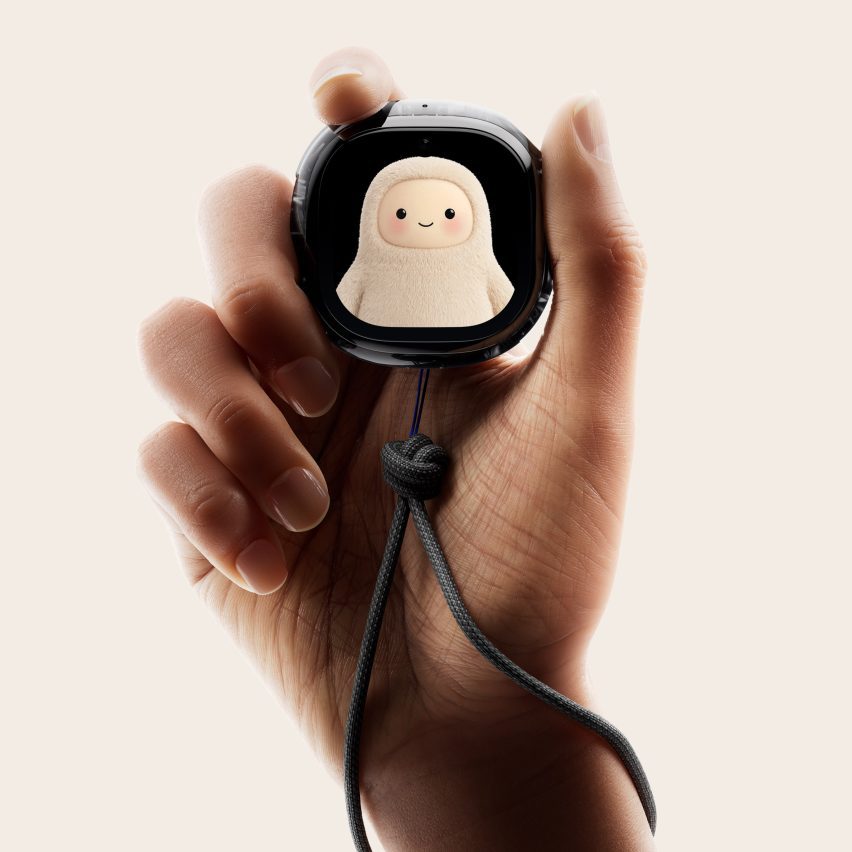
Meta is creating a tiny, portable Muse Charm device for carrying around the company's AI agent, chief executive Mark Zuckerberg has announced.
Produced by Meta's new design team, led by former Apple design chief Alan Dye, the device resembles an Apple Watch but with a small lanyard instead of a strap.
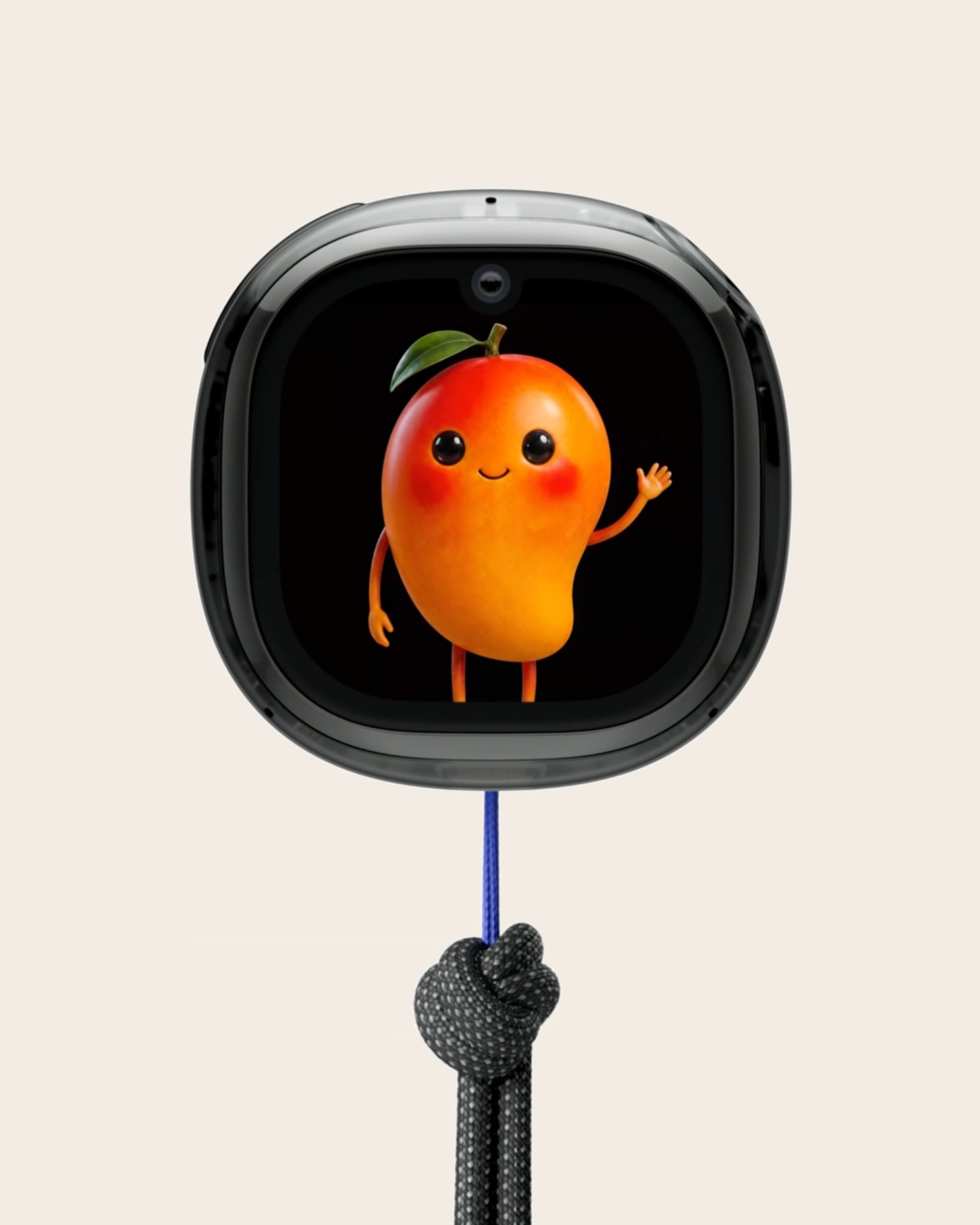
A customisable cartoon character occupies the entire two-inch screen, prompting comparisons to an AI-powered Tamagotchi.
This avatar acts as the cutesy embodiment of the Muse AI agent the company launched earlier this month, billed as a "personal assistant" that can automate daily admin such as writing emails and booking appointments, rather than just answering questions.
The Muse Charm features a fingerprint sensor in the corner that users can tap to start talking to the AI, with a built-in 5G modem for Wi-Fi-less internet access. There also appears to be a small camera, allowing the agent to take in information about the user's surroundings.
Meta chief executive Mark Zuckerberg teased the product, set to go on sale ahead of the Christmas holidays, during the company's annual Meta Connect showcase, which also saw the launch of two new smart glasses.
"We've packed a lot of technology into this little guy," Zuckerberg said in his keynote. "So if you're not wearing glasses, this is going to be by far the fastest way to talk to your Muse and to show it what's going on around you."
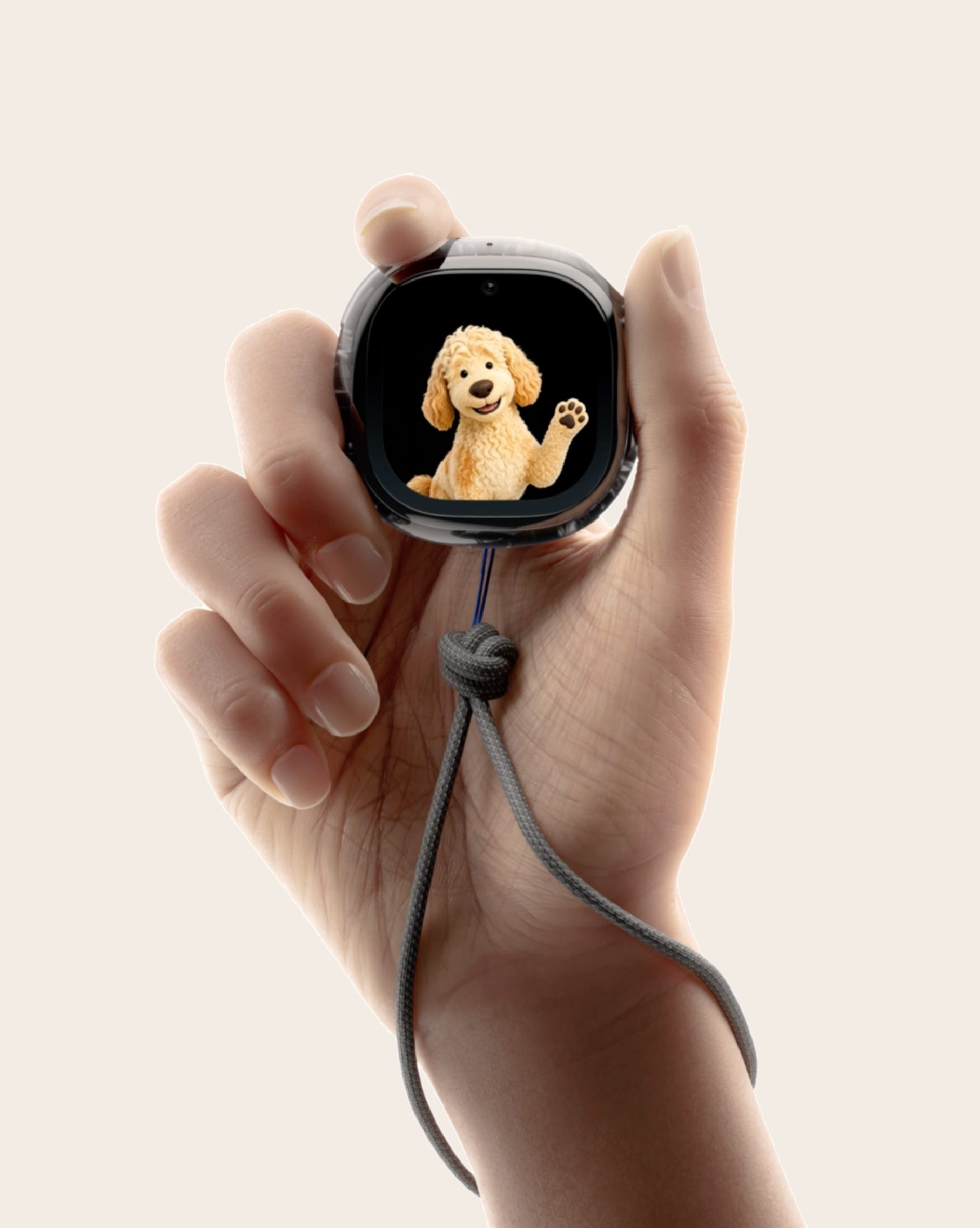
The avatar can be set to a menagerie of characters, from a Muse mascot known as "Jolly" to an anthropomorphic mango, a labradoodle and a piece of toast wearing sunglasses.
Combined with playing into Gen Z's love for bag charms and Labubu-style plushies, the device seems to be pitched at a younger demographic, who are already more likely to see AI bots as companions rather than mere helpers.
Meta's Muse AI has been downloaded more than 2.5 million times since its launch in early September, according to Sensor Tower data, and is set to be added to Meta smart glasses over the coming months.
The company does not have the best track record when it comes to handling private and sensitive information.
Meta Glasses have faced backlash for being used to film people – especially women – without their consent, and for sharing private videos captured by users with subcontractors in Kenya as part of training Muse AI.
These issues may be compounded by adding an AI agent into the mix and giving it eyes and ears. In the two weeks since its launch, Muse AI has already been accused of reading users' private messages, attempting to hack their Gmail and nudging them to share their passport information and bank account details.
Using cuteness as a way to encourage users to adopt a product they might otherwise be sceptical of is not new. Robotics companies have been following a similar playbook in recent years, with launches including fluffy robots that clip onto a handbag and emotionally intelligent AI pets.
The post Meta debuts Tamagotchi-style AI agent appeared first on Dezeen.