













Brutalist London book illustrates "lots of ways to be brutalist"

From concrete council housing to monumental theatres, Brutalist London documents the myriad examples of brutalism in the UK capital. Here, author Owen Hopkins selects seven of his favourites featured in the book.
Published by Blue Crow Media, Brutalist London includes photography by Nigel Green of over 50 post-war concrete buildings, from significant civic buildings to everyday homes, schools and libraries.
Hopkins hopes that the Brutalist London book will introduce readers to the myriad forms of London's brutalist architecture and shines a spotlight on their architects.
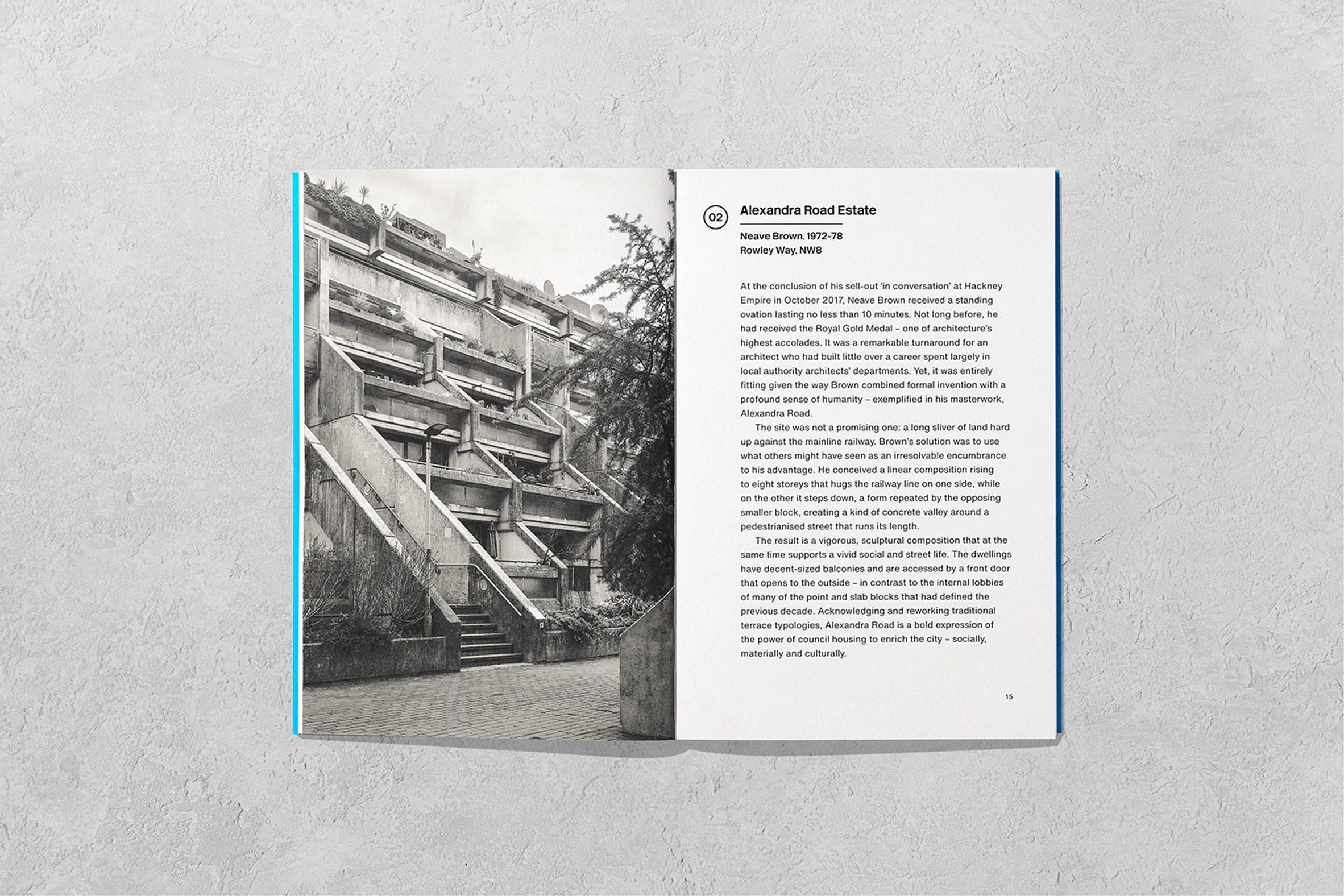
"There are, the book shows, lots of ways to be brutalist," Hopkins told Dezeen.
"Looking across the 58 buildings as a whole, I'm always struck by the range of forms, scales and even materials – not just concrete, but brick and even timber," he continued.
"I hope the book will expand readers' understandings of both what brutalism is and the different roles it plays in the city."
Often recognised by having monolithic structures and exposed concrete, the brutalist style of architecture emerged in the 1950s in reconstruction projects after world war two.
Hopkins said that many of the buildings featured in Brutalist London are deeply integrated into their surroundings – the antithesis of the stereotype often tied to brutalism as standing out as sole structures.
He likened the impact of brutalism on London to the works of architects Christopher Wren and Nicholas Hawksmoor. Wren is most known for designing St Paul's Cathedral, and Hawksmoor, who was mentored by Wren, designed numerous churches in the city.
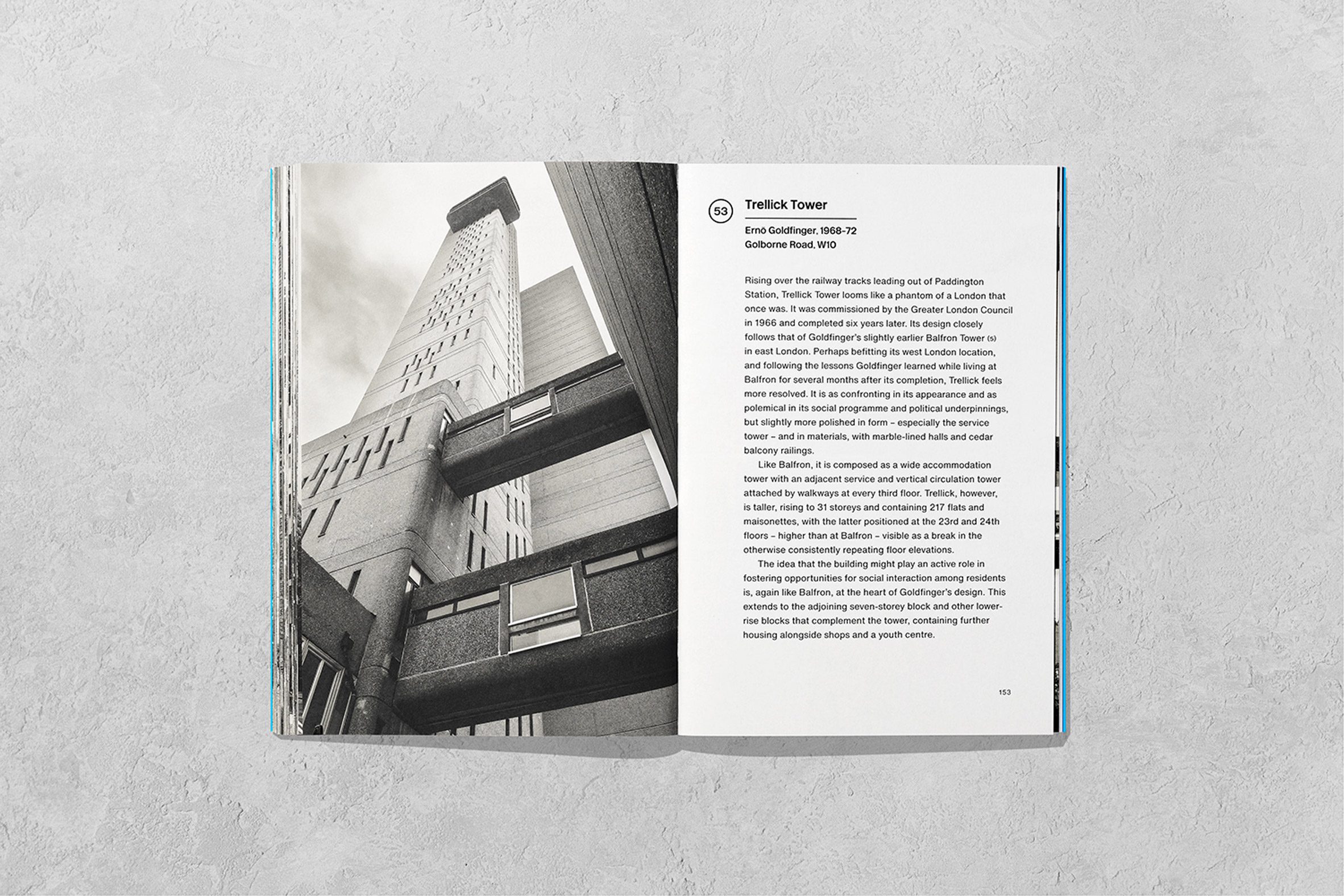
"Brutalism emerged conceptually – and in some instances quite literally too – from the rubble of the Blitz and the result is buildings that are interwoven into the social and cultural life of the city," said Hopkins.
"I wrote a book on Nicholas Hawksmoor a few years ago and remain fascinated by the way he and Christopher Wren redefined London through architecture at the turn of the 17th century," he continued.
"For me, the brutalist moment picked up that torch and the belief in architecture's transformative possibilities to redefine the city once again, 300 years later."
Read on seven buildings selected by Hopkins that feature in Brutalist London:
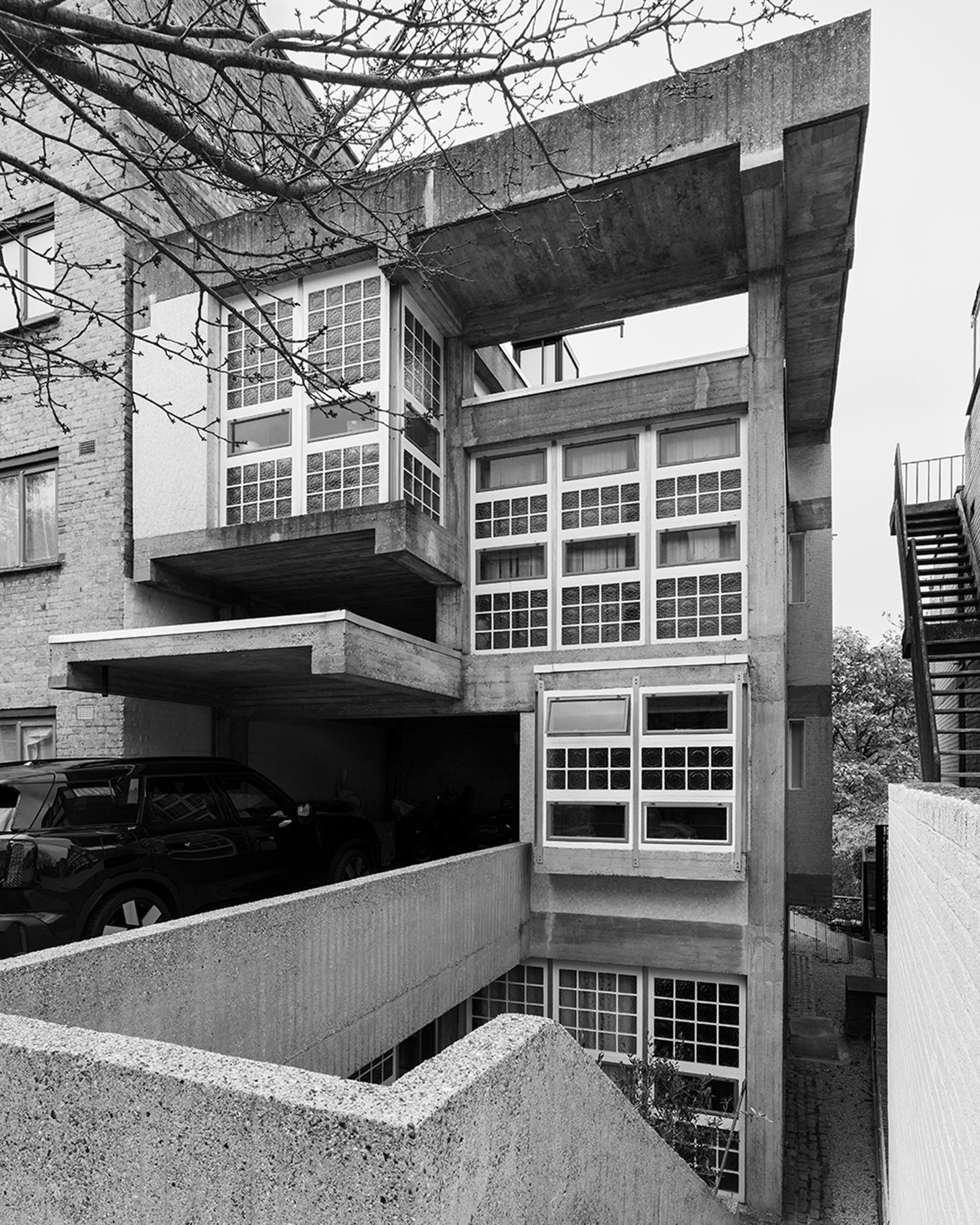
Housden House, 1965, by Brian Housden
"A building of superabundant strangeness, especially amid the context of the grand terraces overlooking Hampstead Ponds – architecture conceived as a series of interlocking planes and volumes.
"Housden later wrote that a 'private house is a little city' – a description that could not be more fitting of his own complex and multilayered composition set above the landscape."

Southbank Centre: Queen Elizabeth Hall, Purcell Room and Hayward Gallery, 1968, by London County Council Architects' Department
"From the beginning, the building was conceived as somewhere that would help facilitate new forms of culture, with the exterior decks intended to provide platforms for spontaneous activity.
"With the exception of the skateboarders in the undercroft, it never quite worked out that way. Yet, this bloody-minded disregard for comfort and practicality is actually what gives the building its energy."
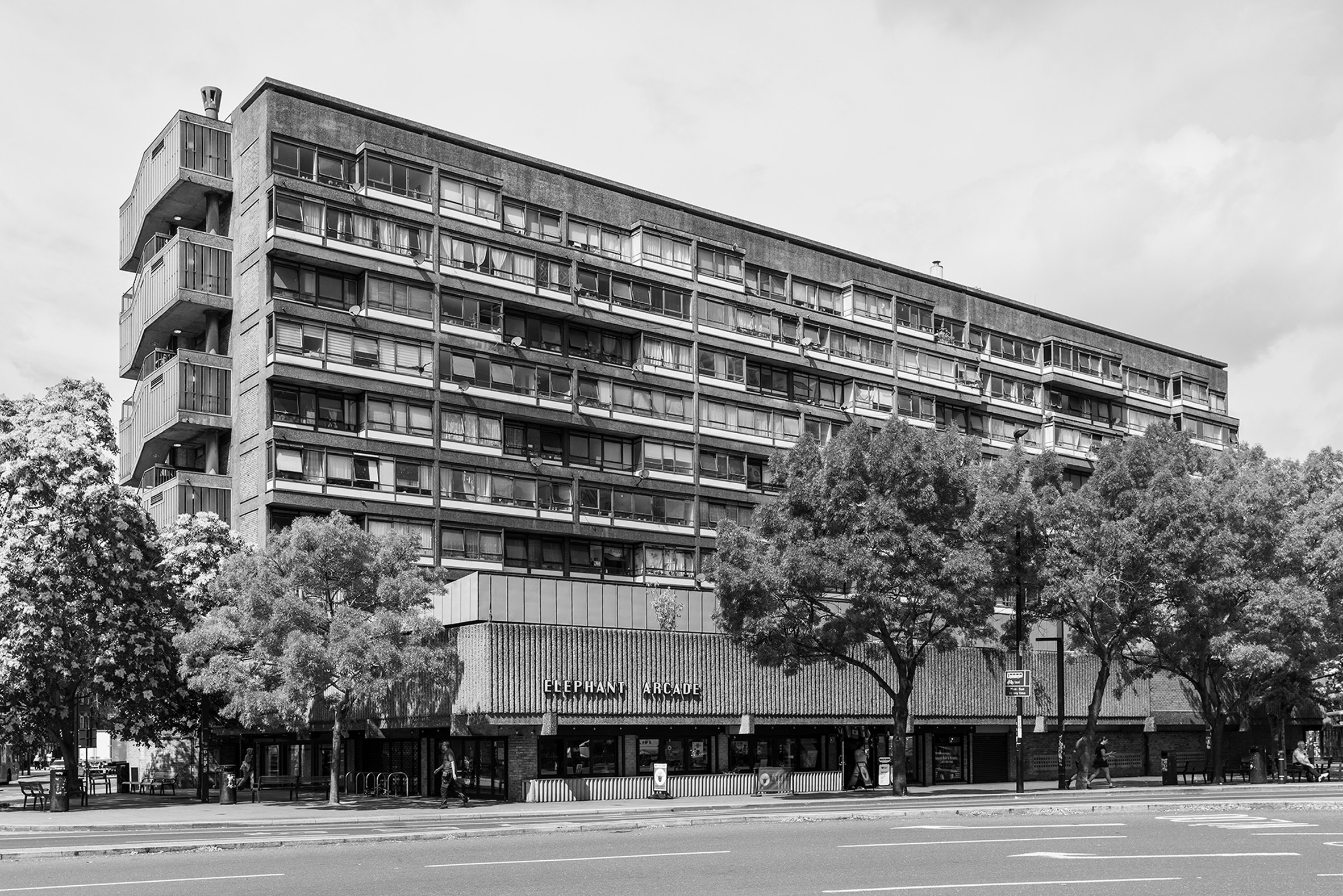
Perronet House, 1970, by Roger Walters
"One of the last surviving elements of Elephant and Castle's post-war reimagining – a scissor-section system with flats split across three levels, and accessed via a half level, visible in the projecting windows on the end elevations.
"The whole composition was raised up on pilotis and a podium, so it stood away from the traffic. Although the material styling and finishes are towards the rougher end of brutalism, it is a building that is full of humanity, a place of life and community."
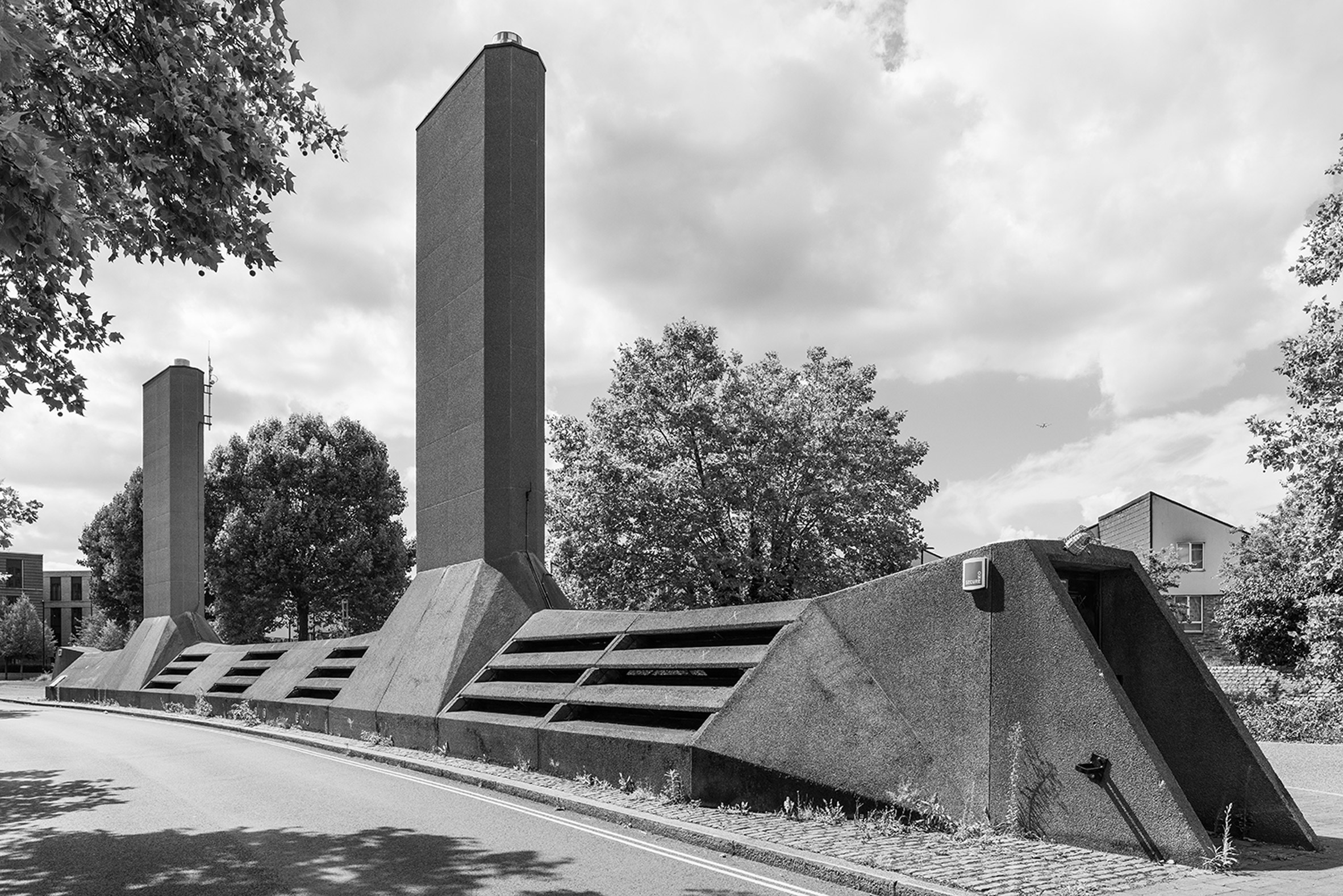
Camberwell Submarine, 1974, by Ted Hollamby and Bill Jacoby
"Rather than try to hide away, this is an idiosyncratic celebration of the communal heating that fed the surrounding Myatts Field North housing estate, of which it is the last surviving element.
"In contrast to the surrounding estate's yellow London stock brick with slate roofs, the submarine stood apart as a wonderfully sculptural and avowedly brutalist statement of communal values in concrete."
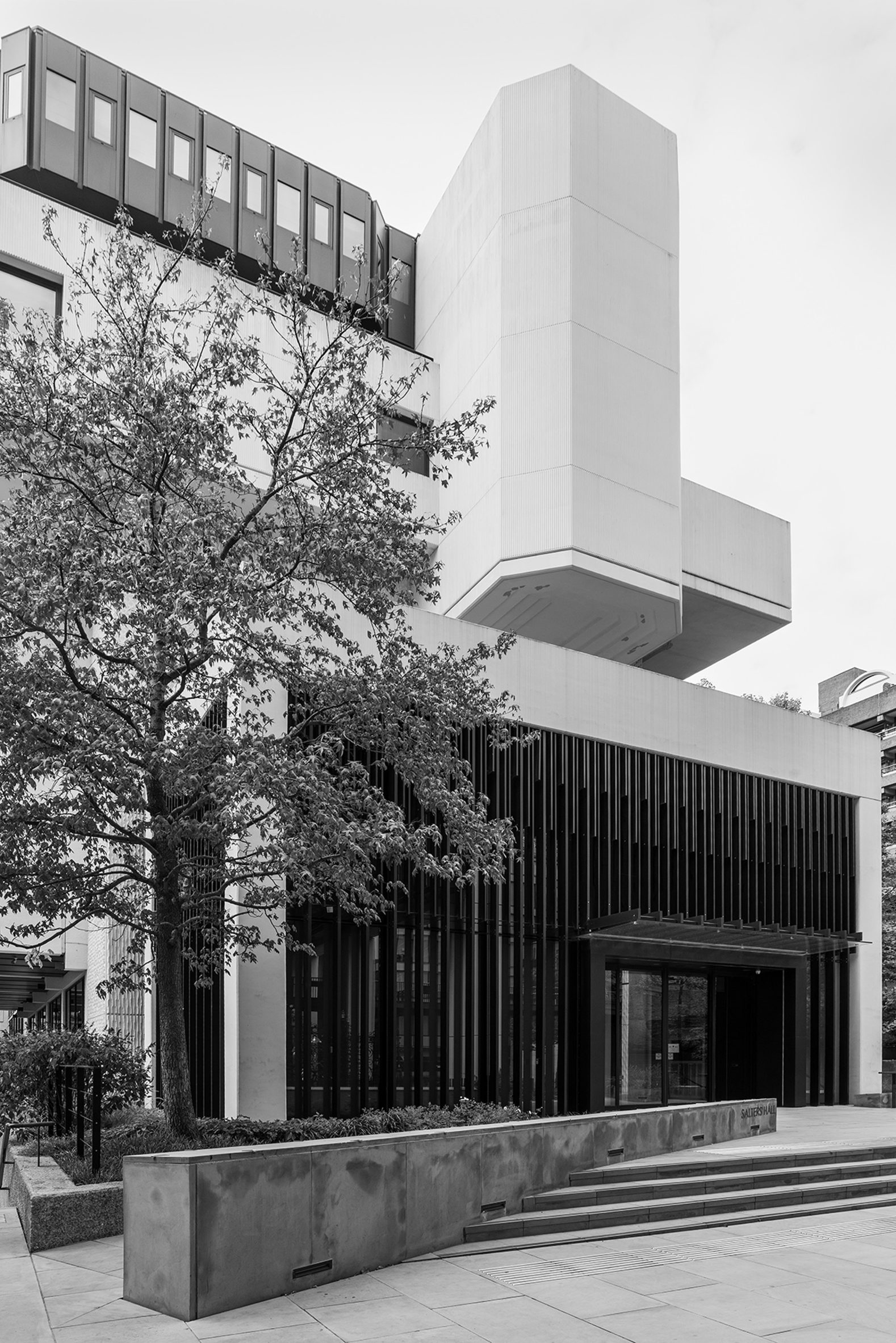
Salters' Hall, 1976, by Basil Spence, Bonnington and Collins, and John S Bonnington Partnership
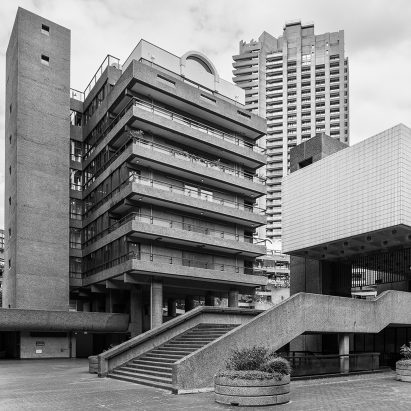
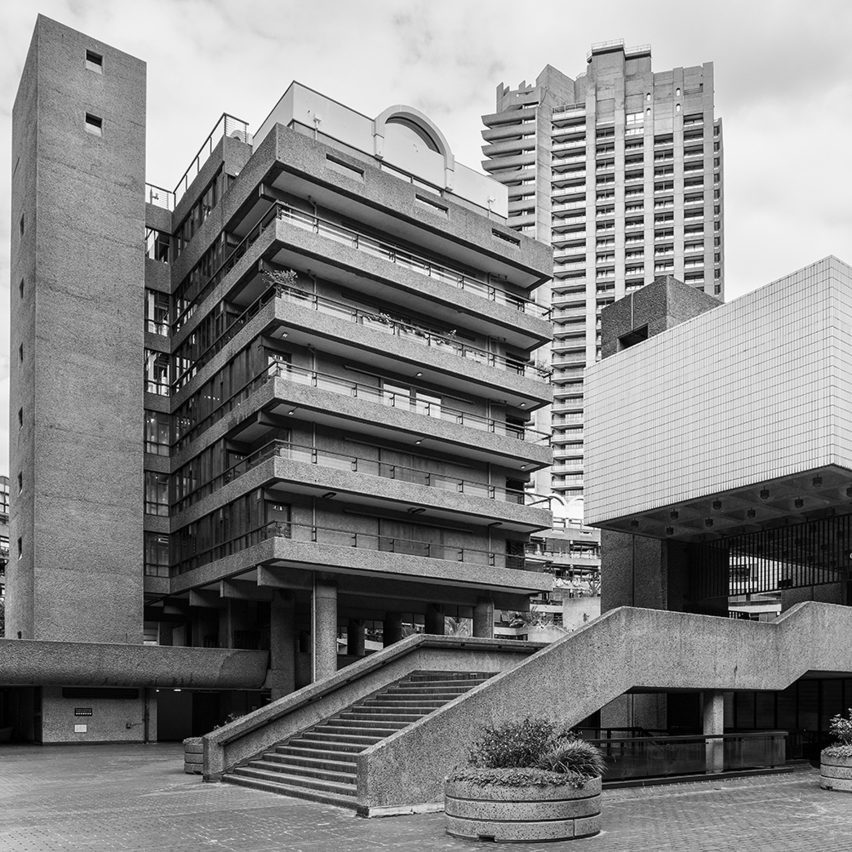
"An example of how brutalism was used by establishment institutions – a building of brilliant crystalline white concrete surrounded by the ubiquitous steel and glass, and the dark brown of the adjacent Barbican.
"Spence conceived a vigorous composition of interlocking horizontal and vertical forms. shaped by an almost functionalist relation to the configuration of interior spaces."

National Theatre, 1977, by Denys Lasdun and Partners
"An almost geological composition of horizontal terraces layered on top of each other, all in raw board-marked concrete.
"A building full of geometrical vigour, but with little of the roughness one often associates with brutalism, reflecting in a curious way something of the work of Lasdun's great hero, Hawksmoor."
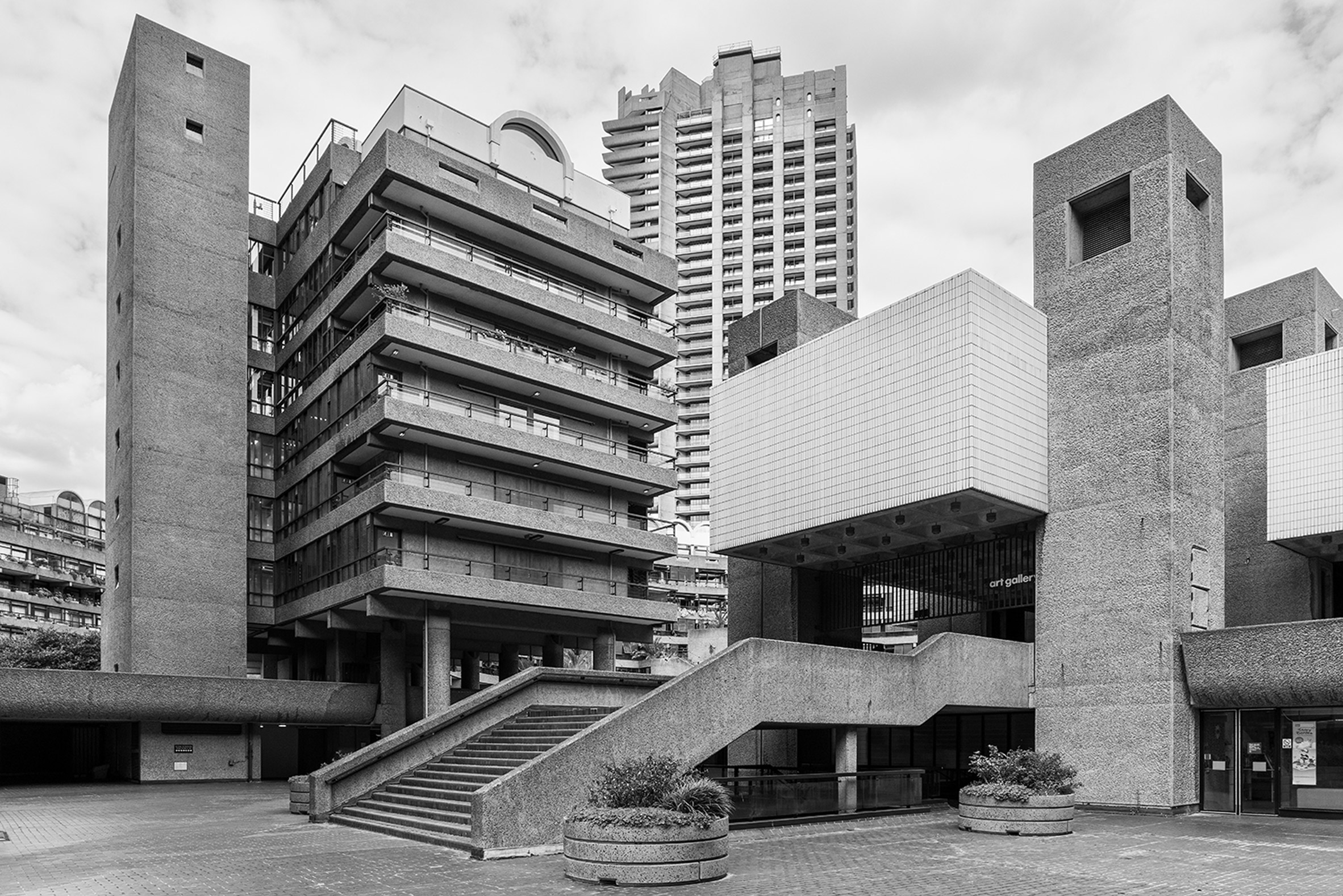
Barbican Estate, 1982, by Chamberlin, Powell and Bon
"A building that magically combines the futuristic with medieval allusions. The architectural language is one of massiveness, with bush-hammered piers and beams on a gargantuan scale.
"Beyond this, and in contrast to the futuristic feel, there are a number of medieval allusions – arrow-slit windows, ramparts and massive Romanesque piers – which have the appearance of serving to keep the city out."
The photography is by Nigel Green.
The post Brutalist London book illustrates "lots of ways to be brutalist" appeared first on Dezeen.