

Chromatic Architecture authors pick six of the world's best colourful buildings


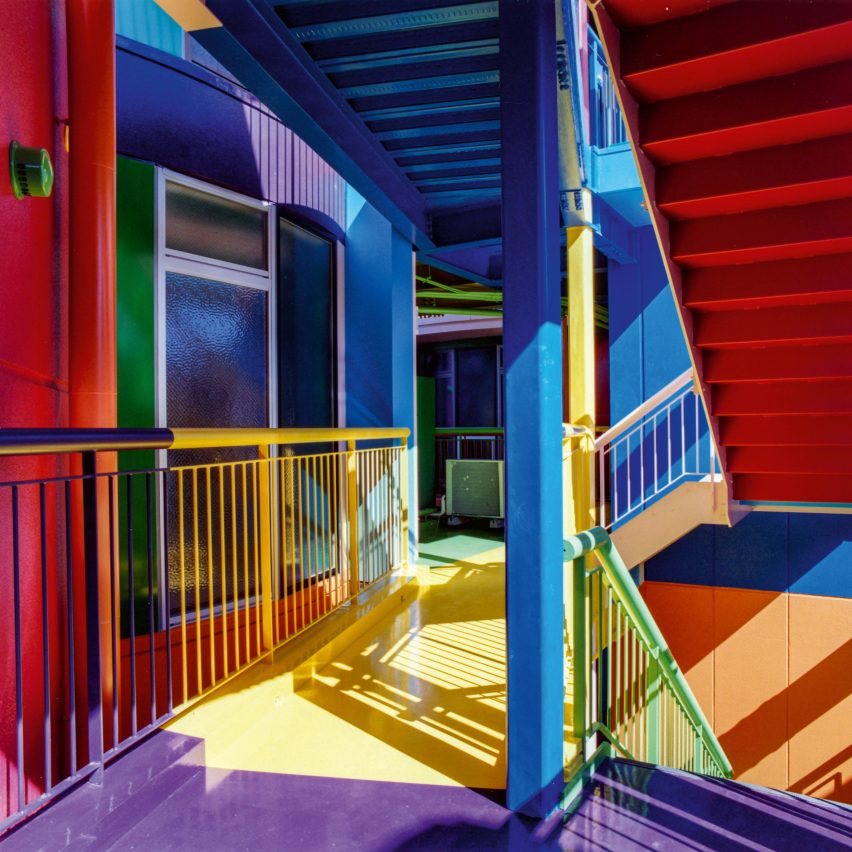
A new book from designer Adam Nathaniel Furman and Dezeen contributor Kate Mazade spotlights the most radical examples of colourful architecture from across history. Here, the authors pick six favourites.
Published by RIBA Publishing, Chromatic Architecture explores colour as an intrinsic element of architecture, rather than just decoration.
Across 34 examples, the book shows how colour has been used to convey emotion, memory or individuality.
"One of the biggest misconceptions of using colour in architecture is that it diminishes the seriousness or the purity of the design," said Mazade.
"We've worked to forefront case studies that use colour to reveal emotional depth, cultural understanding and an awareness of the places and people for which they were created."
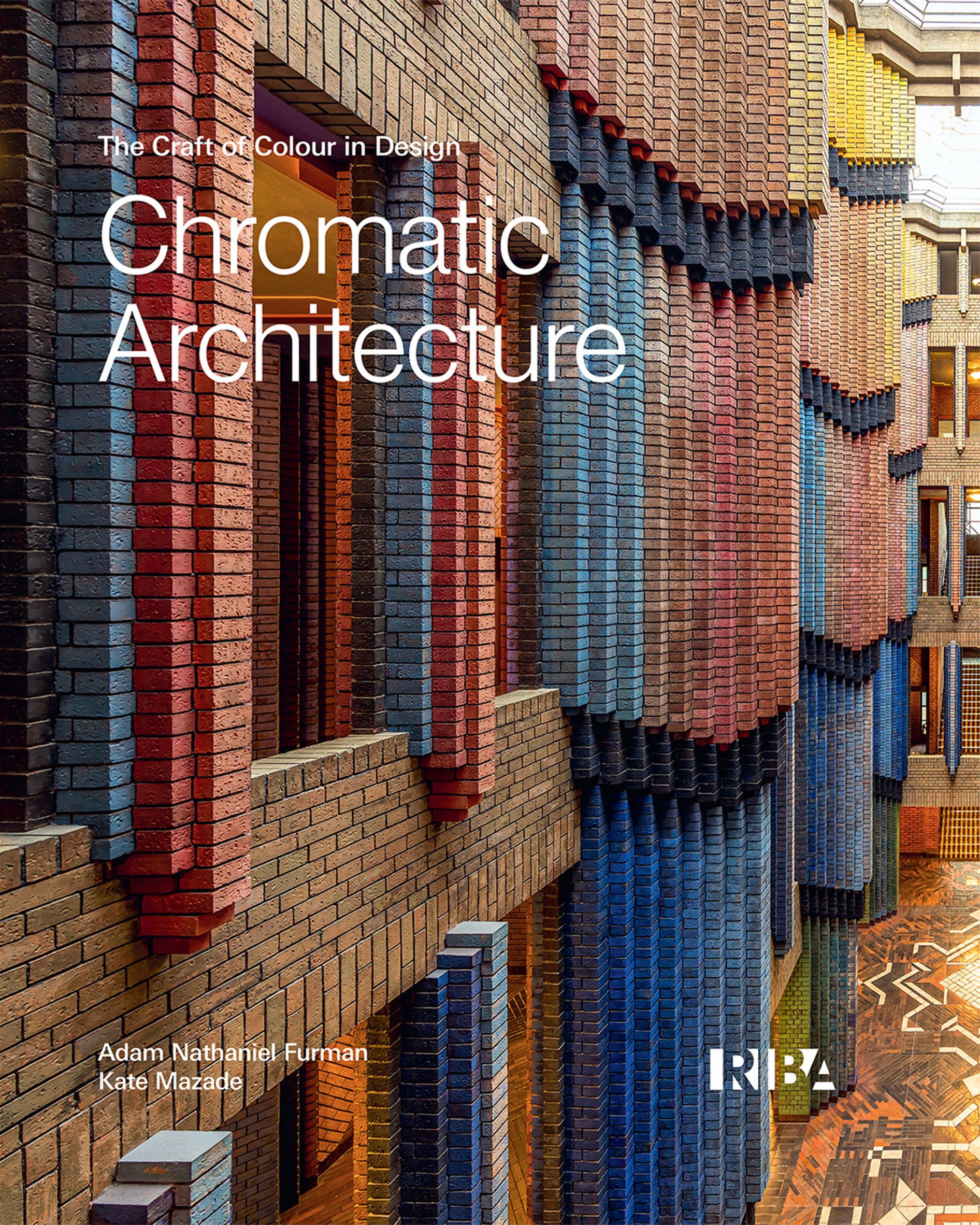
The authors hope the book will encourage a greater appreciation for the role colour plays in shaping the character of the built environment, and offer a practical guide for architects and designers looking to introduce more colour into their work.
"There is a widely shared but rarely discussed love of colour amongst practitioners, and too often they feel unable to pursue that instinct," said Furman.
"The book was an opportunity to create a gentle and inviting manifesto, a cookbook of high-quality recipes, that creates a sense of permission to deploy beautifully crafted and well-considered chroma in projects," he told Dezeen.
Read on for six key examples of chromatic architecture, selected by the authors:
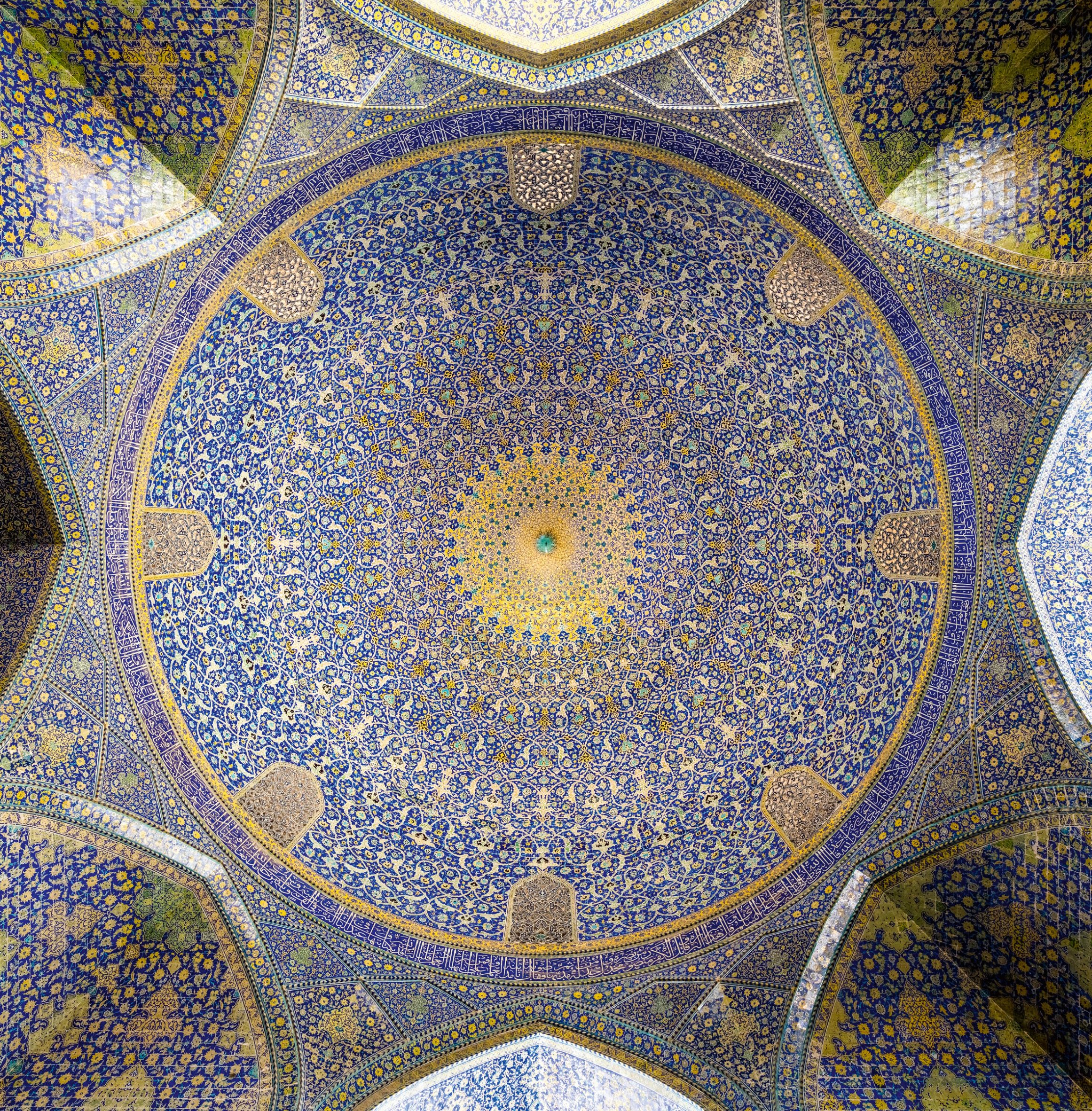
Shah Mosque, Isfahan, Iran, by Ali Akbar Isfahani, 1629
"This remains the ultimate reference for the use of glazed tiles to both dematerialise and define spatial volume," said Furman.
"The way the blue tiles map onto the complex geometric forms of the vaults and domes creates a sense of infinite expansion, seemingly revealing an entire cosmos of creation, showing how colour can manipulate our perception of space and our emotional response to it on a monumental scale."
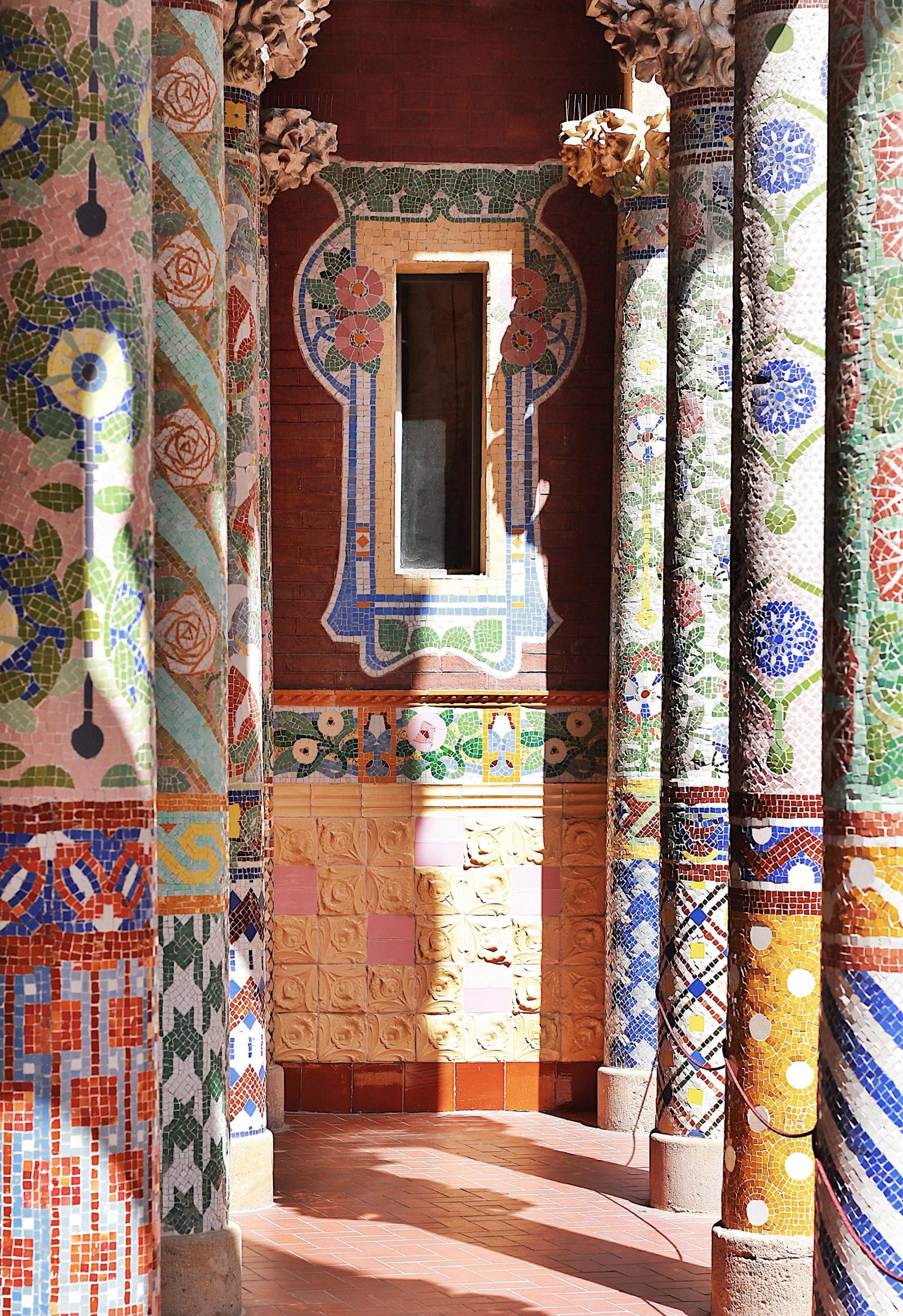
Palau de la Música Catalana, Barcelona, Spain, by Lluís Domènech i Montaner, 1908
"Domènech i Montaner's use of mosaic, maiolica, stained glass, stone and brick here is a masterclass in total-work-of-art design," said Furman.
"It shows how colour can be used to dissolve the boundaries between the structure and the ornament, turning a public space into a jewel-box of materials, craft, light and pigment."
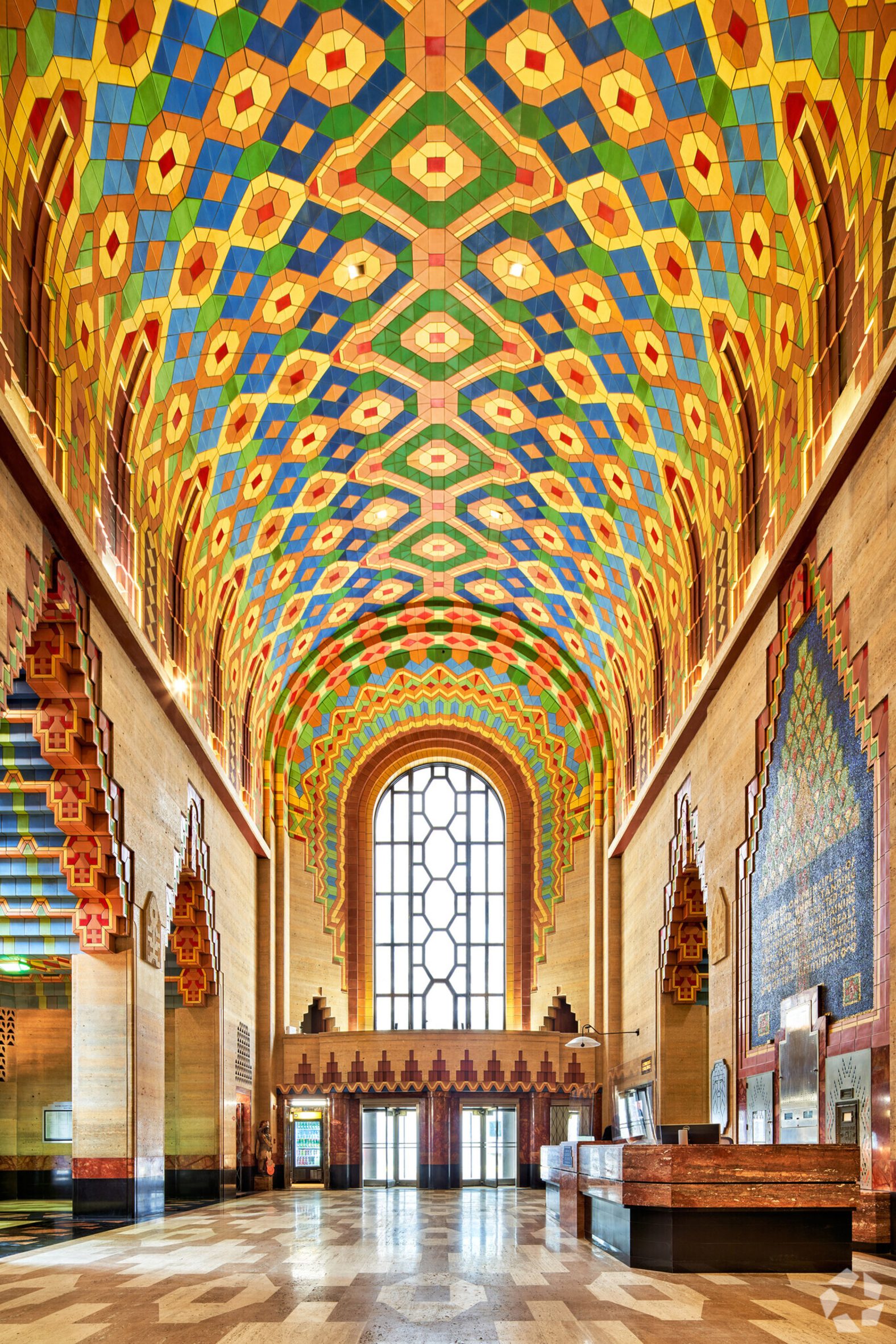
Guardian Building, Detroit, USA, by Wirt C Rowland, 1929
"This is an absolute masterpiece of art deco polychromy," said Furman.
"The way it uses glazed terracotta and stone to create a vibrating, rhythmic interior suggests that colour can function not just as an applied finish, but as an integral, structural element of a building's very soul."
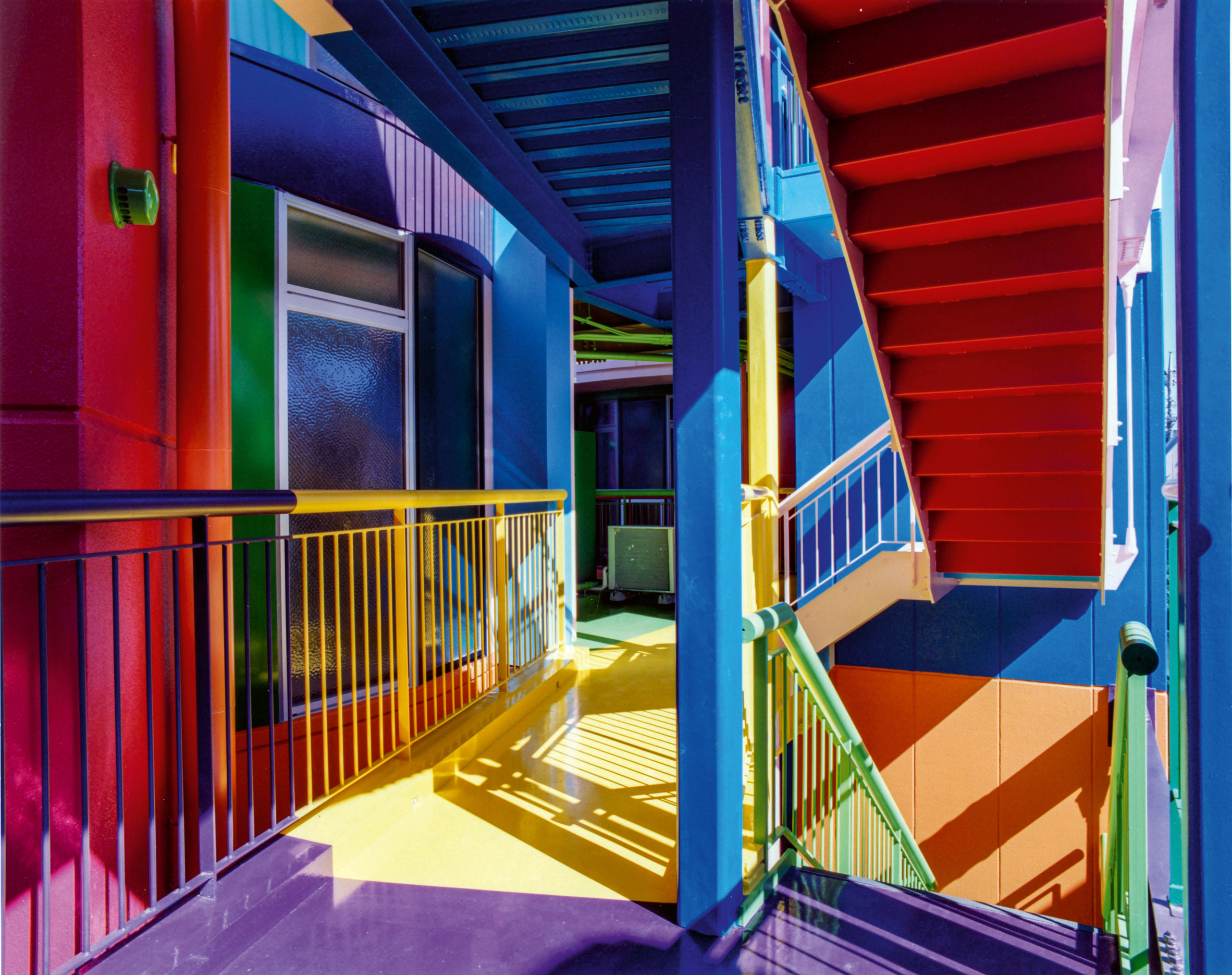
Reversible Destiny Lofts, Tokyo, Japan, by Shusaku Arakawa and Madeline Gins, 2005
"The lofts are profoundly radical because they challenge the very notion that a home should be a neutral, fungible asset and backdrop," said Furman.
"By using a disorienting, high-contrast palette, they force the inhabitants to be physically and mentally present, proving that colour can act as a catalyst for human alertness and activity."
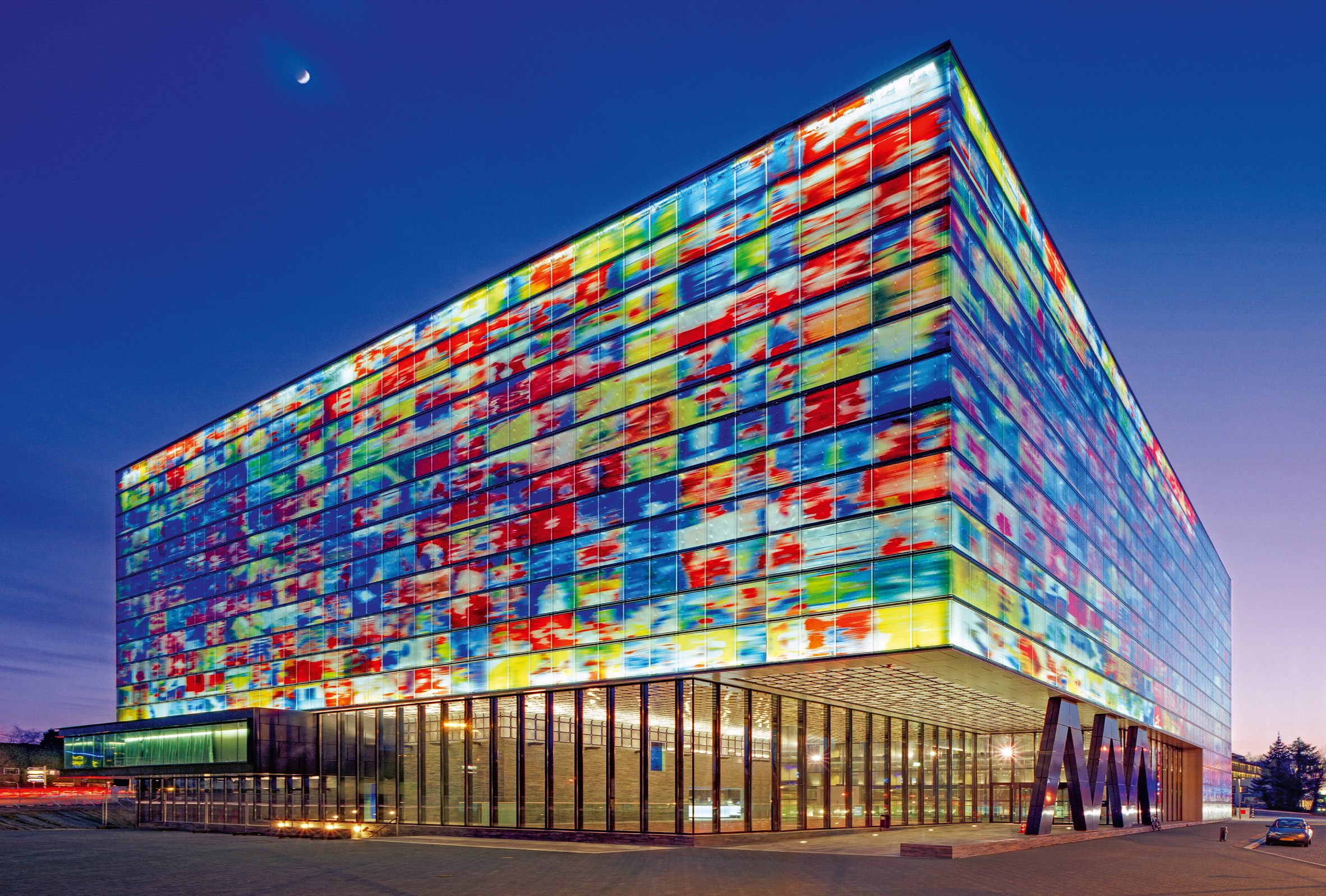
Netherlands Institute for Sound and Vision, Hilversum, Netherlands, by Neutelings Riedijk Architects, 2006
"Coloured glass offers an immense variety of hues across the entire facade of this major building," said Furman.
"It proves that architectural colour in a contemporary building can be both overwhelming in its intense effect and incredibly sophisticated in its depth."
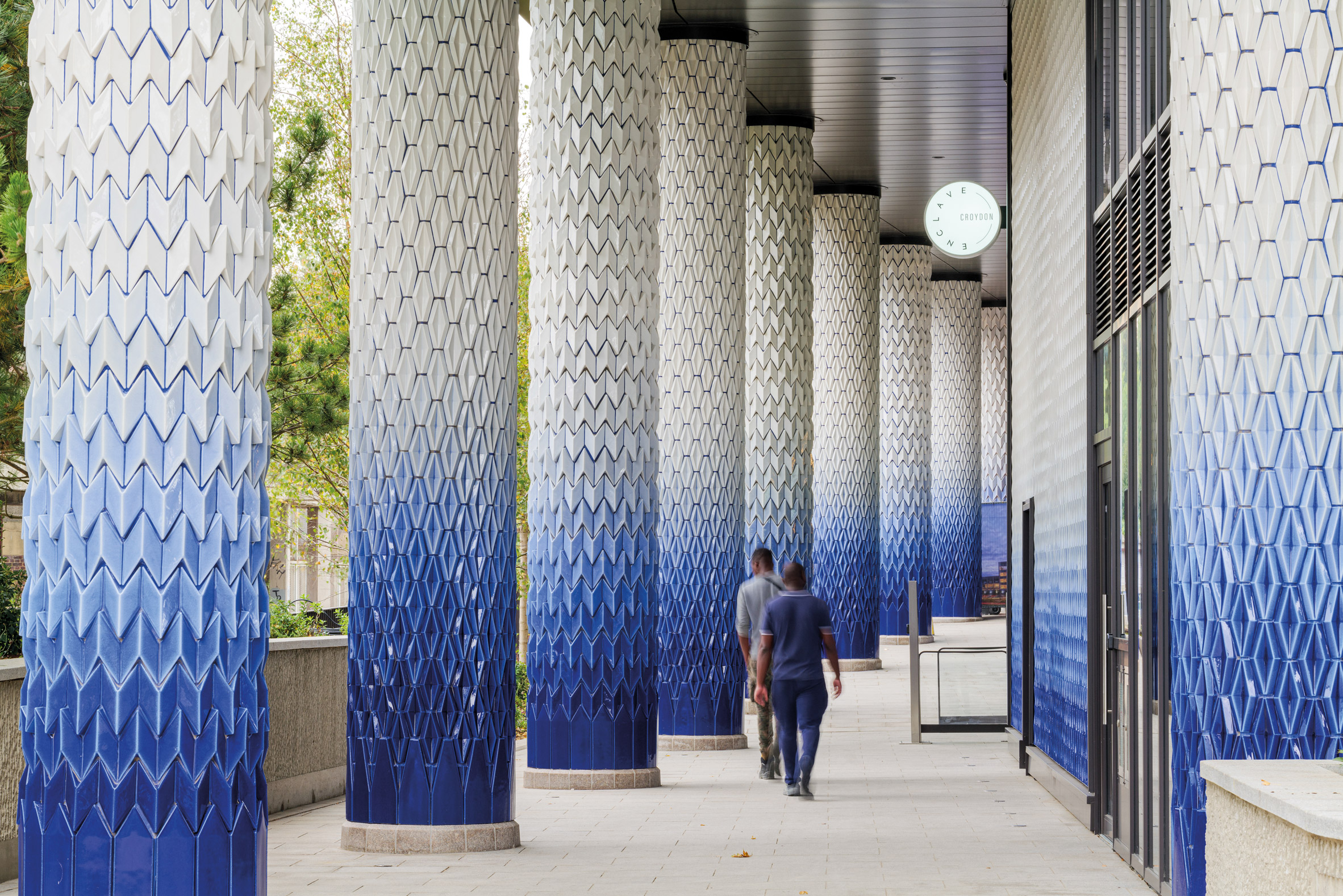
Croydon Colonnade, London, UK, by Adam Nathaniel Furman, 2023
"My own contribution to the mix, this project focuses on the potential for handmade ceramics to bring vibrant, tactile colour to the public realm at immense scale," said Furman.
"It is a deliberate attempt to use saturated hues to transform a quotidian urban passage into a moment of collective joy and tactile, saturated architectural curiosity."
The post Chromatic Architecture authors pick six of the world's best colourful buildings appeared first on Dezeen.