






Denmark grows by 300,000 square metres in land reclamation project

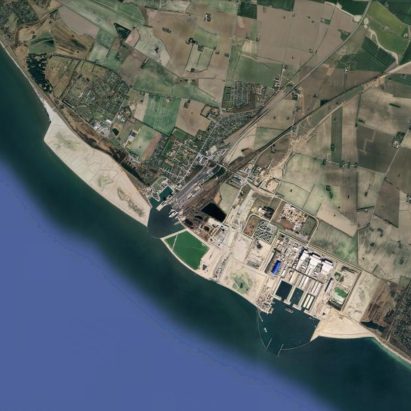
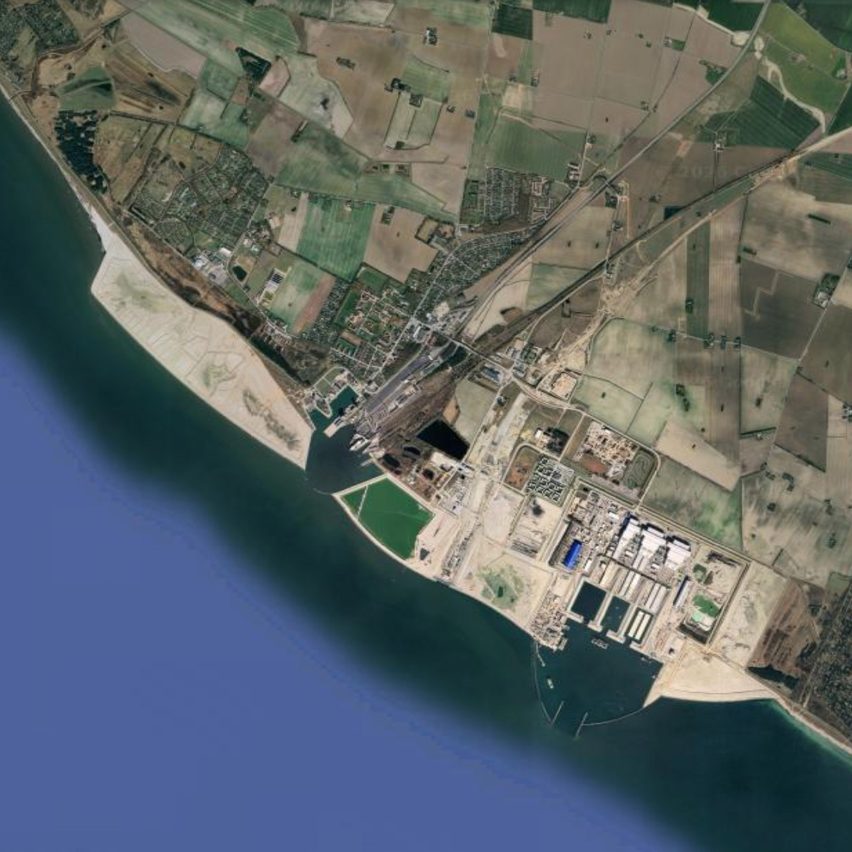
A land reclamation project has added the equivalent of 42 football pitches to Denmark's southern coast, as part of the construction of the Fehmarnbelt Tunnel under the Baltic Sea.
Fehmarnbelt Tunnel is an 18-kilometre-long road-and-rail tunnel, set to be the longest of its kind in the world. It is being built to connect Denmark and Germany and improve links between continental Europe and Scandinavia.
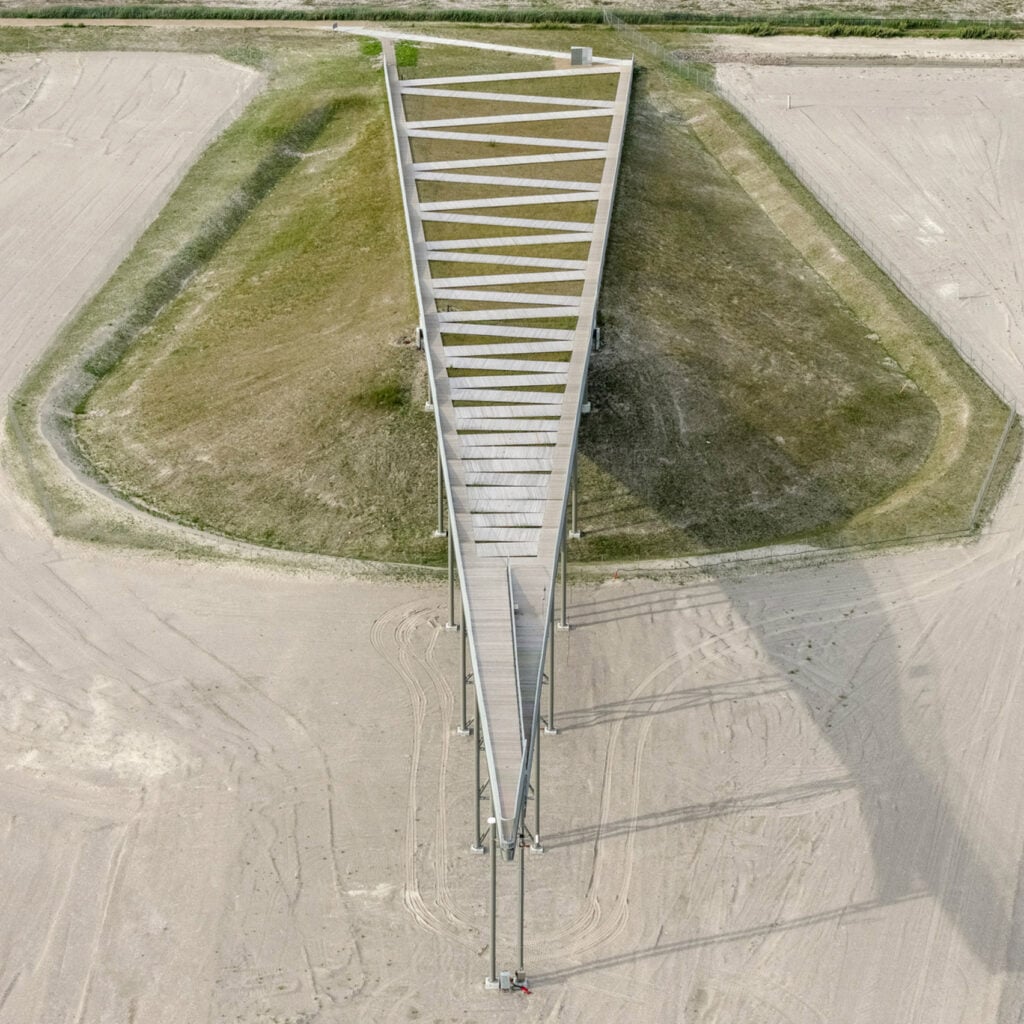
Seabed excavations from the project have been repurposed as an artificial island measuring approximately 300,000 square metres on the coast of Rødbyhavn, which is set to be landscaped as a nature spot.
"People can experience distinctive coastal nature"
State-owned transport company Sund & Bælt, which is developing the project, said the land will "become a unique experience for visitors".
“We have reused material from the seabed to create an area where people can experience distinctive coastal nature, with walking trails, ponds and wildlife including birds, amphibians and insects," said project manager Ditte Hjort.
"What makes the new area so special is that visitors can follow nature’s development right from the outset. We hope it will become a unique experience for visitors, with salt marshes and rich, diverse wildlife and plant life."
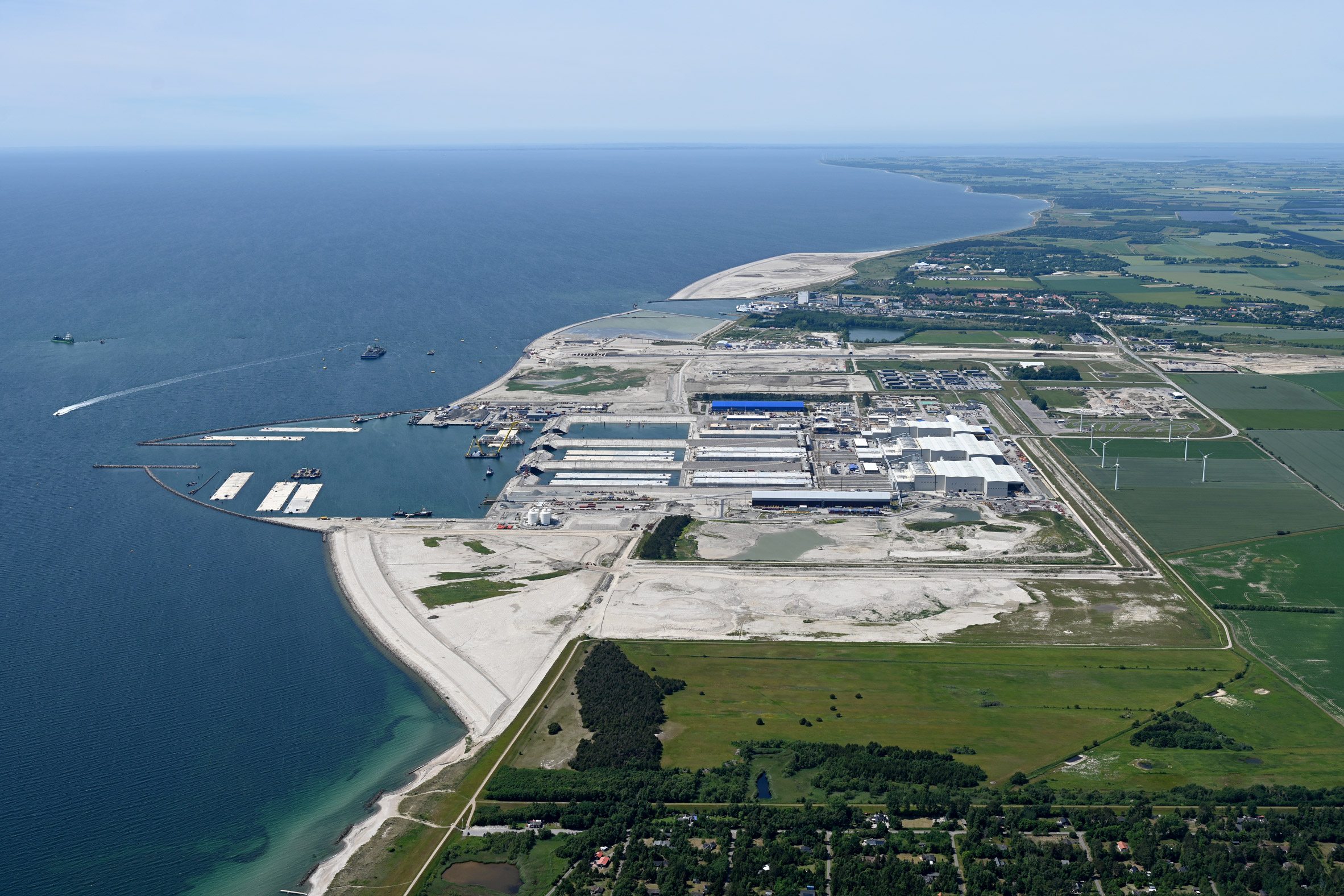
The 18-kilometre tunnel is being built to connect Rødbyhavn in Denmark with Puttgarden in Germany, and is scheduled for completion in 2029.
It will be formed of 89 concrete elements,, measuring 217 metres in length and 73,000 tonnes in weight, which will be submerged and combined in a man-made trench in the seabed.
It is expected to reduce journey times between Hamburg and Copenhagen to two hours by train and just over an hour by road, minimising dependence on flying.
Native plants will cover the land
The 300,000 square metres of land that has been added to Denmark as part of the project is set to be landscaped with three ponds and planting to withstand harsh coastal climate.
Soil that was excavated to build a factory from the tunnel has also been spread across the site, containing plant seeds that are hoped to bring life to the new landscape.
An agreement between Denmark and Germany to build the tunnel was signed in 2008, but delays followed due to opposition from ferry operators and conservation groups.
Elsewhere in Denmark, an artificial island called Lynetteholm is currently under development off the coast of Copenhagen to house 35,000 people and act as a defence against rising sea levels.
Architecture studio Urban Power is also designing nine artificial islands, named Holmene, off the coast of the city that will become a sustainable tech hub.
The aerial view of the construction site is courtesy of Google, copyright 2025 Airbus.
The post Denmark grows by 300,000 square metres in land reclamation project appeared first on Dezeen.