





neri oxman’s material ecology imagines a future where buildings grow like living organisms

Neri Oxman’s vision for architecture shaped by nature
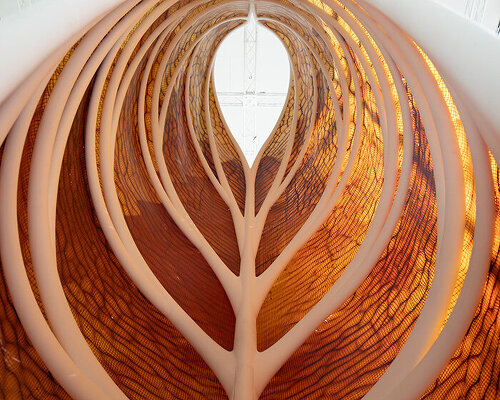
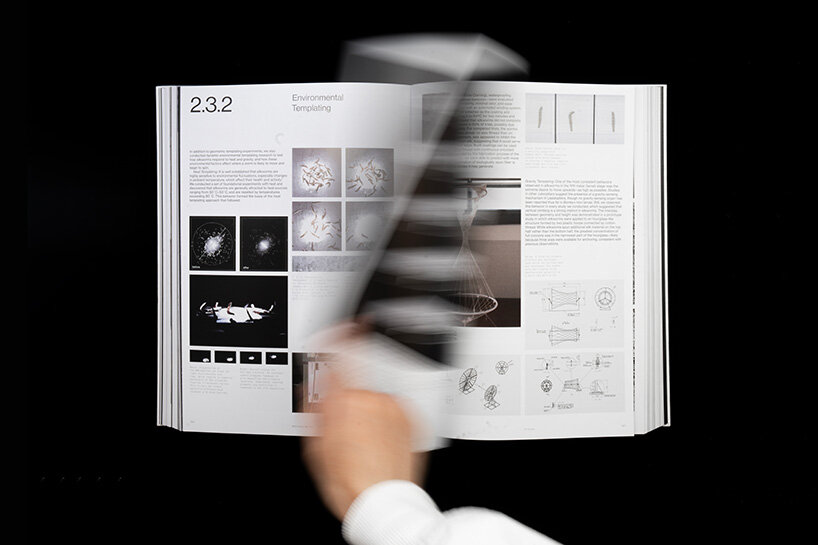
In her book Mediated Matter: Design and Invention in the New Biological Age, multidisciplinary designer Neri Oxman explores how biology, computation, and digital fabrication could reshape the way humans make and build. Drawing on two decades of research developed through her former practice, The Mediated Matter Group at the MIT Media Lab, the 612-page monograph introduces Material Ecology, an approach to design that positions nature as an active participant in the creation of materials, objects, and architecture.
The publication arrives at a moment when the consequences of human construction are difficult to ignore. Around 2020, the mass of human-made materials surpassed the total biomass of living organisms on Earth, according to research published in Nature. This imbalance brings into focus one of the central propositions of Oxman’s work, moving beyond the extraction and consumption of natural resources to explore ways of creating structures that actively contribute to the ecosystems they inhabit.
WHEN BIOLOGY BECOMES A DESIGN MEDIUM
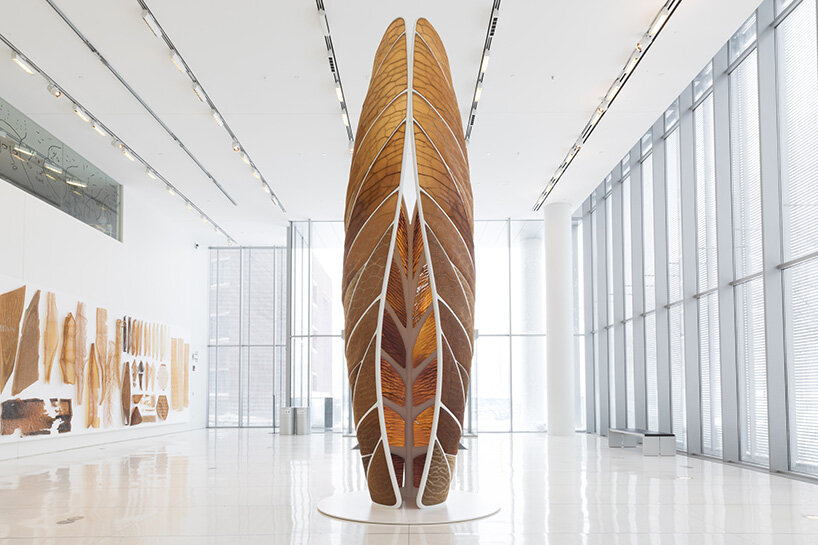
The research behind Material Ecology took shape within The Mediated Matter Group, which Oxman founded and directed at the MIT Media Lab between 2010 and 2020. Working across architecture, engineering, synthetic biology, and digital fabrication, the group developed technologies that allowed biological processes and computational systems to operate together.
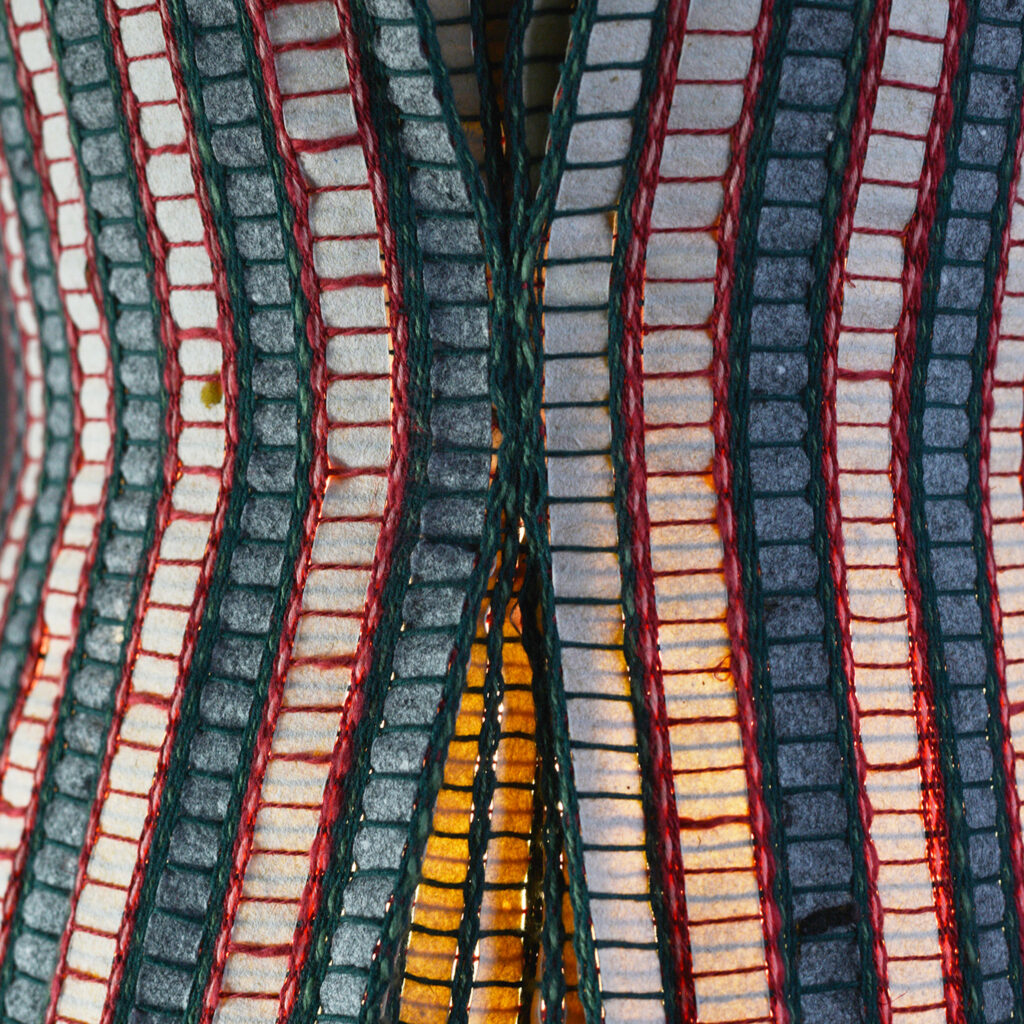
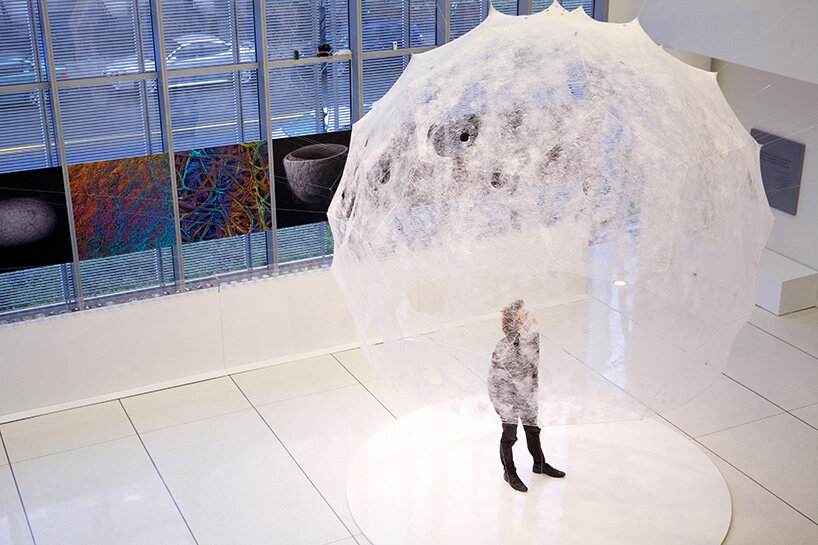
Among its best-known experiments is the Silk Pavilion, an architectural structure produced through the collaboration of robotic fabrication and 6,500 live silkworms. The project explored how their natural spinning behavior of the insects could participate in the construction of an architectural form. By controlling the distribution of fibers through light and heat, the researchers investigated how biological activity could complement robotic precision.
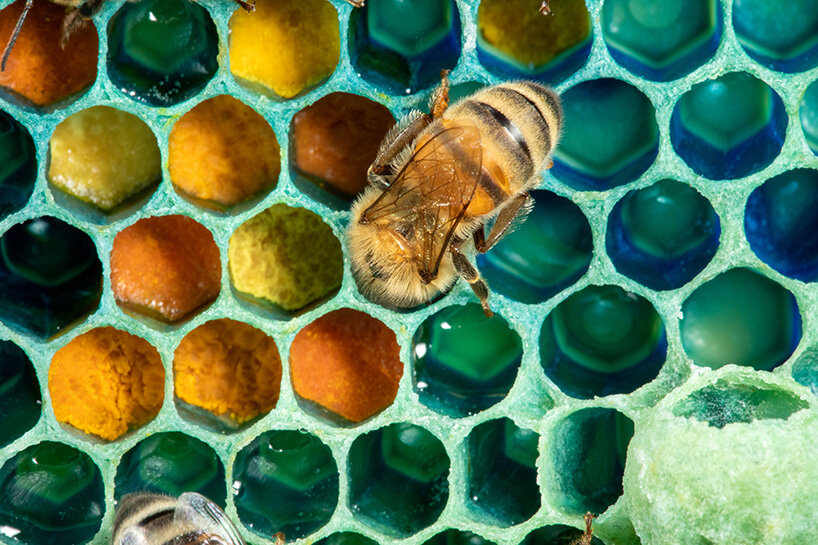
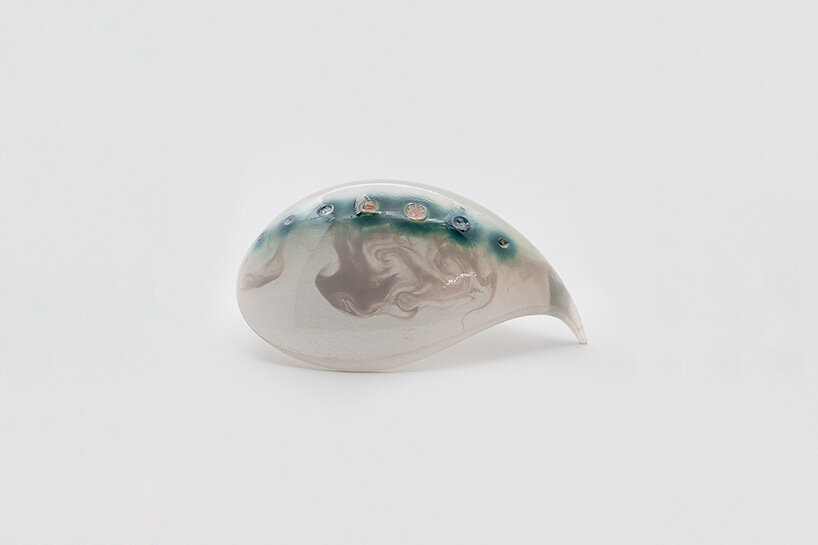
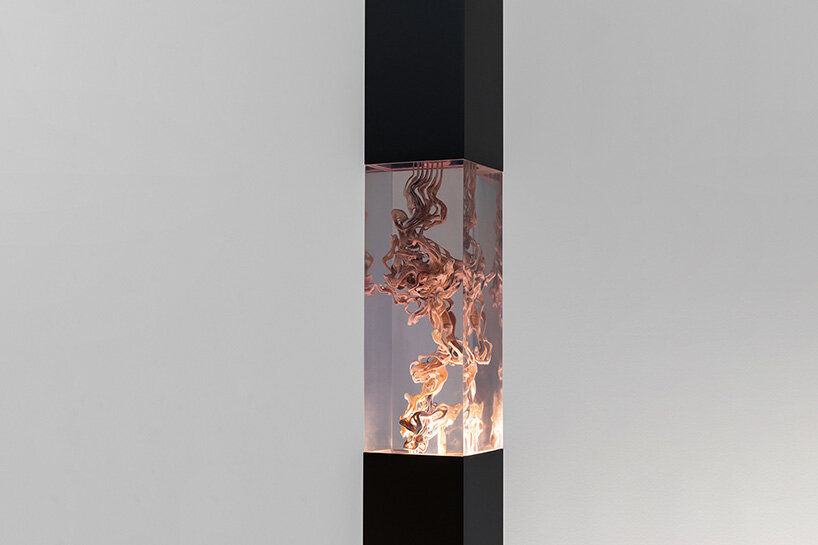
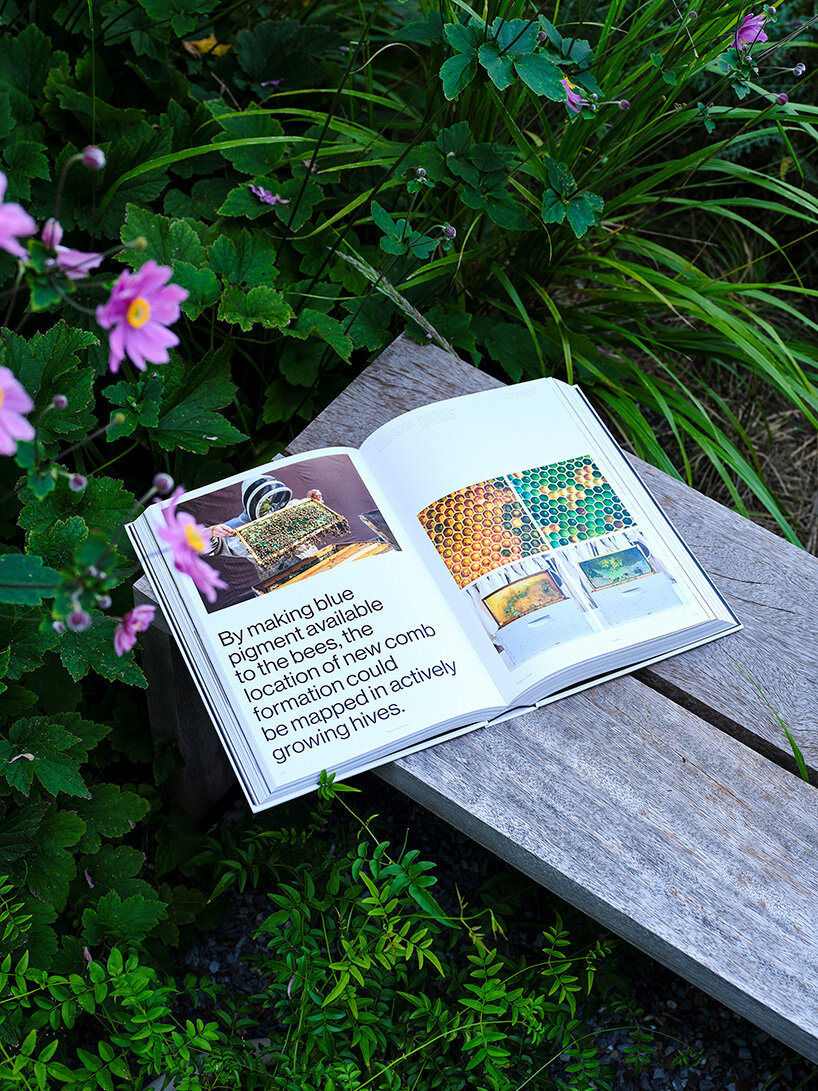
Other experiments approached material production through different biological and chemical processes. Glass explored the possibilities of 3D printing molten glass at furnace temperatures, creating structures with varying geometries and optical properties. Synthetic Apiary investigated the relationship between architecture and pollinators through an environment designed around the needs of bees. With Aguahoja, the group developed water-based bioplastics using materials including apple skins and shrimp shells. The structures were designed to respond to environmental conditions and eventually dissolve back into their constituent elements.
A DIFFERENT KIND OF ARCHITECTURE
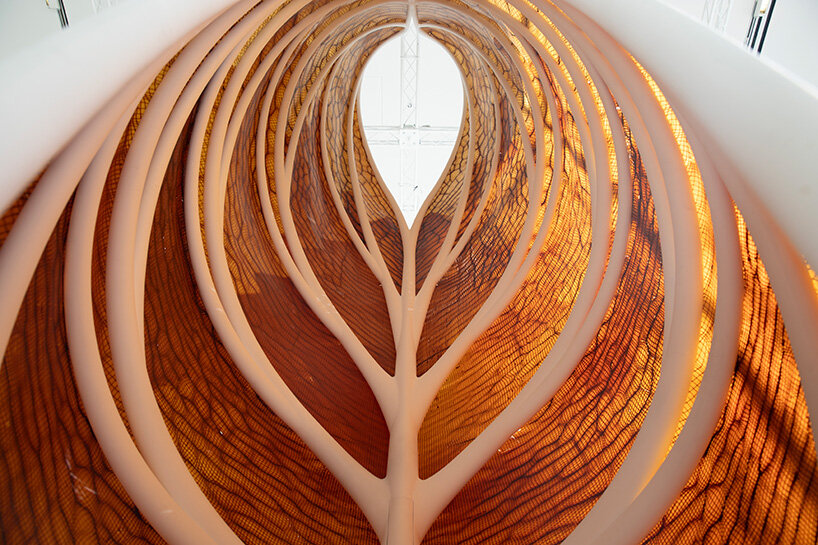
Buildings are usually designed to withstand changes in their surroundings. Oxman questions this separation between architecture and the environment, considering how building materials might react to temperature, moisture, and light, and how biological processes could become part of their function. She uses three terms to describe this possibility: atoms, bits, and genes. Atoms refer to physical matter, bits to computational intelligence, and genes to biological growth. Their combination forms the basis for materials that bring together the structural qualities of standard building components with the capacity for change.
The designer uses the example of a brick to show how atoms, bits, and genes might come together in a single building material. It would combine physical matter with computational intelligence and the capacity for biological growth, allowing the brick to respond to changes and interact with living processes.
DESIGNING WITH, FOR, AND BY NATURE
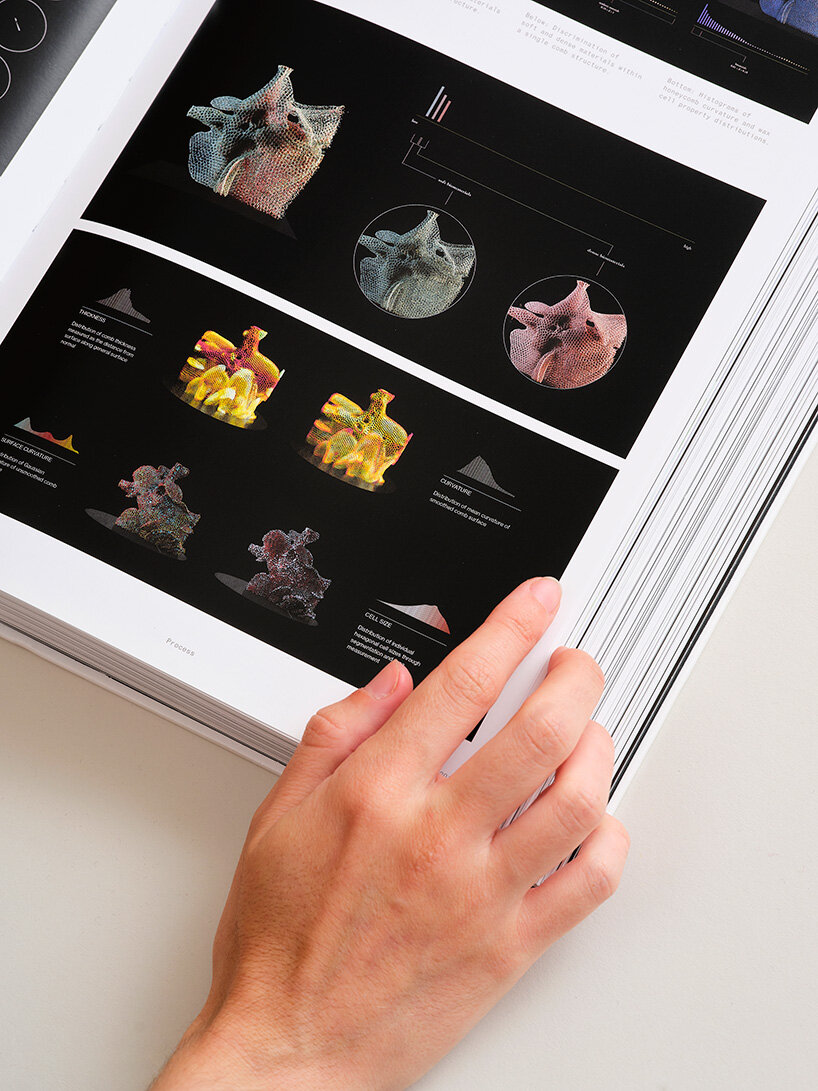
The book organizes its exploration of Material Ecology around six material systems: Biopolymers, Organic Comb, Natural Fibers, Vitreous Solids, Programmable Matter, and Pigments. Each chapter follows four interconnected principles: Position, Process, Product, and Praxis, examining why a material matters, how it can be manipulated, what can be produced from it, and what broader changes its application might enable. Oxman outlines a series of principles that challenge established assumptions about design and production. Nature becomes a co-client, growth takes precedence over assembly, systems become more important than isolated objects and biological differences are valued over industrial repetition.
Oxman proposes a cross-species perspective in which plants, animals, and other organisms are considered both contributors to and beneficiaries of designed environments, shifting the designer’s responsibility beyond the immediate needs of a human client. The principle of decay over disposal extends this argument into the entire lifespan of an object. Materials are understood as temporarily diverted from their ecological contexts. Once obsolete, they should be able to return to their environments and support new growth.

THE LIMITS OF A BIOLOGICAL FUTURE
In Mediated Matter, Oxman gathers these investigations into an argument for moving beyond the opposition between protecting nature and advancing human technology. Her proposition is that the two might become mutually reinforcing, with design acting as the mediator between biological systems and human invention.
Her vision is neither a return to an untouched natural world nor a future in which technology becomes more efficient. It imagines a different kind of coexistence, where the boundaries between the grown and the made become difficult to distinguish.
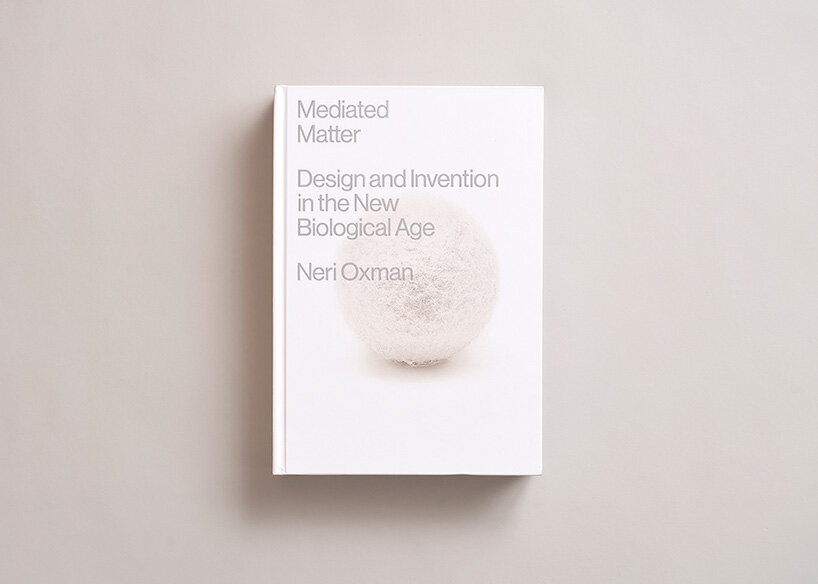
project info:
name: Mediated Matter: Design and Invention in the New Biological Age
author: Neri Oxman | @oxmanofficial
publisher: The MIT Press
This article is part of designboom’s POSTHUMAN UTOPIAS chapter, exploring what happens when humans are no longer the measure of all things. These stories rethink our relationship with the planet through interspecies architecture, living materials, regenerative landscapes and emerging technologies – learn more here! The chapter is presented in partnership with INDX|GLOBAL – a global cultural platform placing Indian architecture, design, and creative intelligence in conversation with the world.
Each designboom editorial series explores one theme in depth through projects, interviews, features and news across architecture, design, art and technology. Discover more chapters here, and get in touch if you’d like to submit a story through our submissions portal or contact form.
The post neri oxman’s material ecology imagines a future where buildings grow like living organisms appeared first on designboom | architecture & design magazine.