





desert-inspired sensory playground brings kid’s perspective to downtown el paso

DESERT PLAYGOLA BRINGS CHILD-SIZED EXPLORATION TO EL PASO
What does a city look like from just 95 centimeters above the ground? In downtown El Paso, Nómada Estudio Urbano explores this question through Desert Playgola, a temporary pavilion that transforms a traditional pergola into an interactive playground. Designed by Miguel Mendoza for the Chalk the Block public art festival, held on October 3–4, 2026, the installation combines desert-inspired sculptures, iridescent curtains, and recycled materials to create an environment where children can move, touch, and discover at their own pace. Commissioned by the City of El Paso through its Museums & Cultural Affairs Department (MCAD), the project occupies a pedestrian area along W Main Drive, turning an ordinary stretch of the city into a place for unexpected encounters.
The design takes inspiration from Urban95, an initiative by the Van Leer Foundation that encourages architects and urban planners to experience cities from the approximate height of a three-year-old child. Rather than treating children as miniature adults, the approach considers how scale, accessibility, and sensory experiences influence their relationship with public space. For Nómada Estudio Urbano, this perspective becomes the starting point for an environment without predetermined routes or activities. The name Desert Playgola combines ‘play’ and ‘pergola,’ reflecting a structure that offers shelter while leaving room for curiosity, imagination, and a little improvisation.
TIMBER STRUCTURE AND SCULPTURES CREATE A PLAYFUL LANDSCAPE
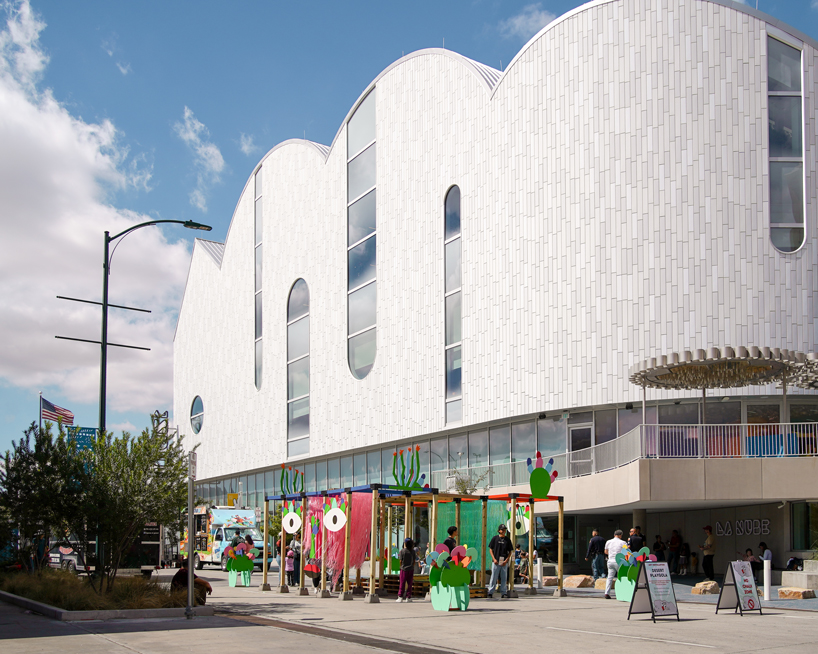
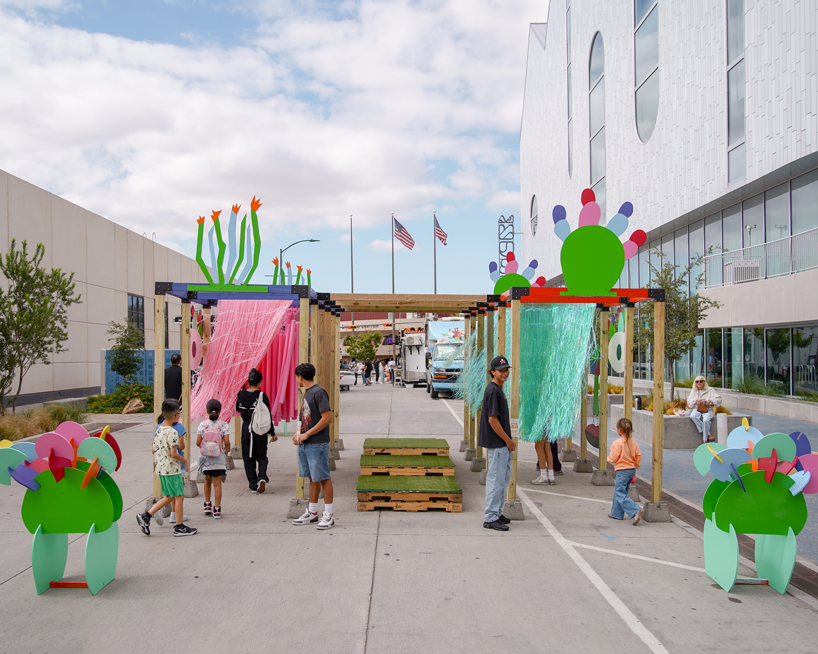
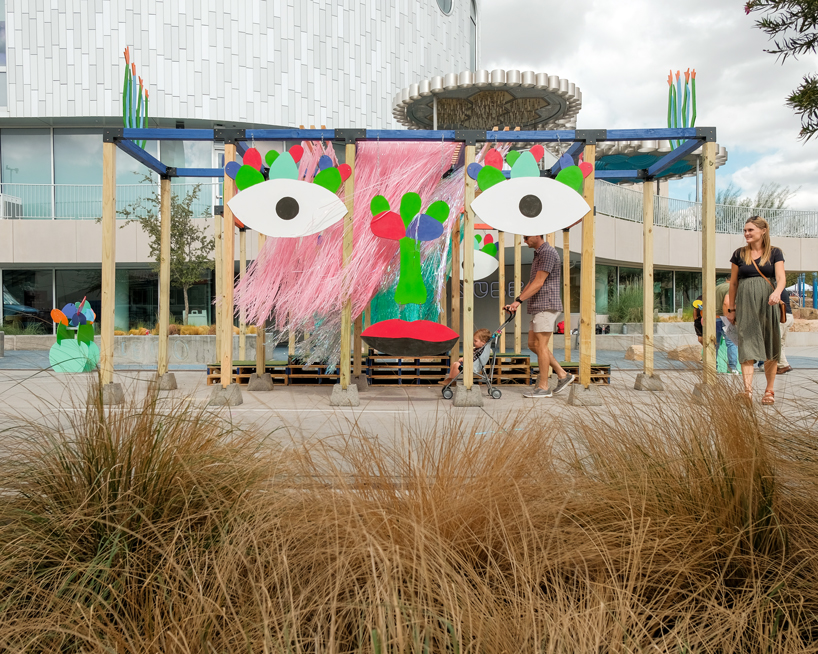
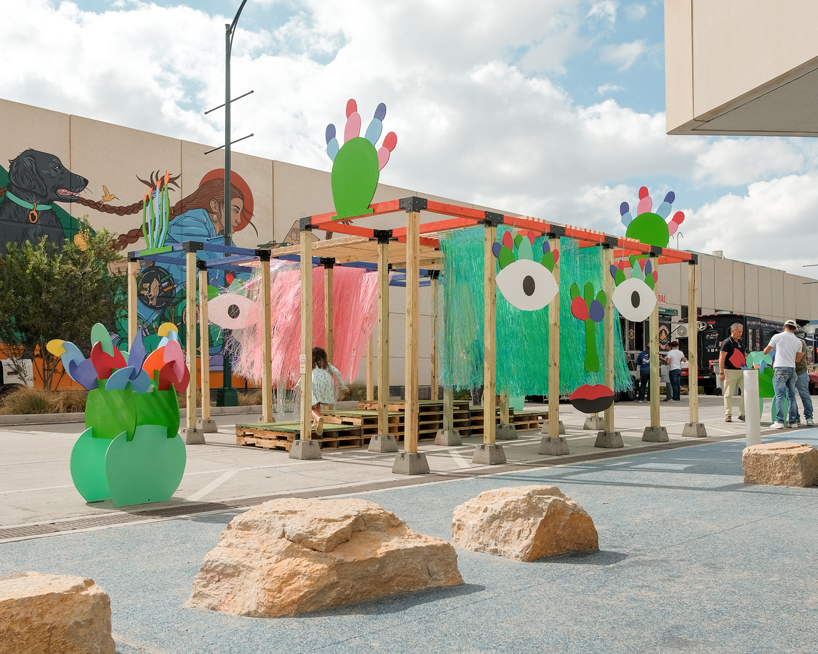
The pavilion is built around a timber framework supported by concrete block bases, with hanging iridescent curtains and colorful figures made from medium-density fiberboard (MDF). Recycled wooden pallets form a series of raised platforms covered in artificial turf, introducing changes in height and texture across the installation. Freestanding sculptures resembling prickly pear cacti are assembled from interlocking MDF pieces, bringing elements of the surrounding landscape within children’s reach. Together, these components transform the familiar pergola into a small terrain of passages, surfaces, and objects that invite visitors to explore rather than simply walk through.
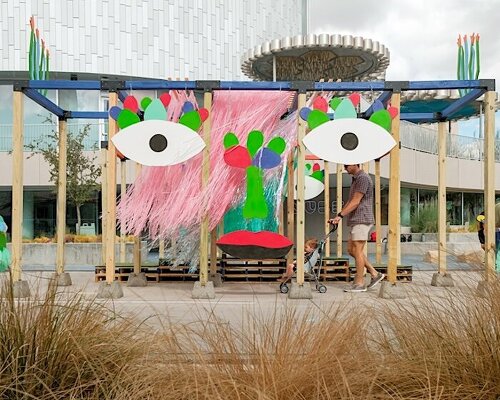
The Chihuahuan Desert provides the project’s visual vocabulary, with references to prickly pears, ocotillo plants, and the region’s distinctive topography. Some of the hanging elements come together to form a face, giving Desert Playgola an almost character-like presence along the street. From a distance, the installation appears as a colorful figure occupying the urban landscape; up close, its individual parts become objects to navigate and interact with. This shift between recognizable imagery and abstract forms allows the pavilion to operate simultaneously as a piece of public art, a sheltered gathering place, and an informal playground.
SENSORY PLAY REIMAGINES THE CITY FROM 95 CENTIMETERS
Movement, light, and touch play an equally important role in the experience. Wind animates the iridescent curtains, sunlight projects shifting shadows across the ground, and artificial lighting transforms the pavilion’s appearance after dark. Children can pass between hanging elements, climb onto low platforms, examine different textures, or simply find a place to pause. There is no prescribed sequence to follow, and the installation accommodates different ways of engaging with its materials and spaces. The result is a playground that offers possibilities rather than instructions, allowing its youngest visitors to decide what happens next.
Positioned beside La Nube, El Paso’s interactive museum, Desert Playgola extends the idea of playful learning into the surrounding public realm. Its temporary presence during Chalk the Block introduces a different rhythm to the pedestrian route, encouraging visitors of different ages to stop, explore, and share the same space. For Nómada Estudio Urbano, the project reflects a broader interest in making cities more responsive to children’s experiences without separating them from everyday urban life. The studio summarizes its approach with a simple premise: a city that plays is a city that cares. In this case, it begins by bringing the city a little closer to the ground.
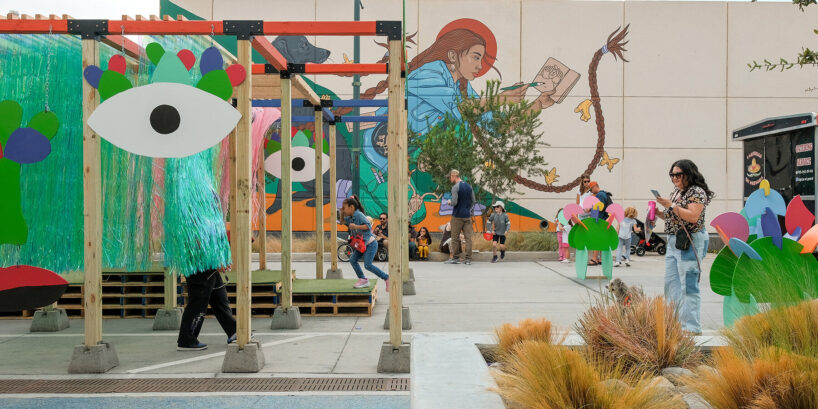
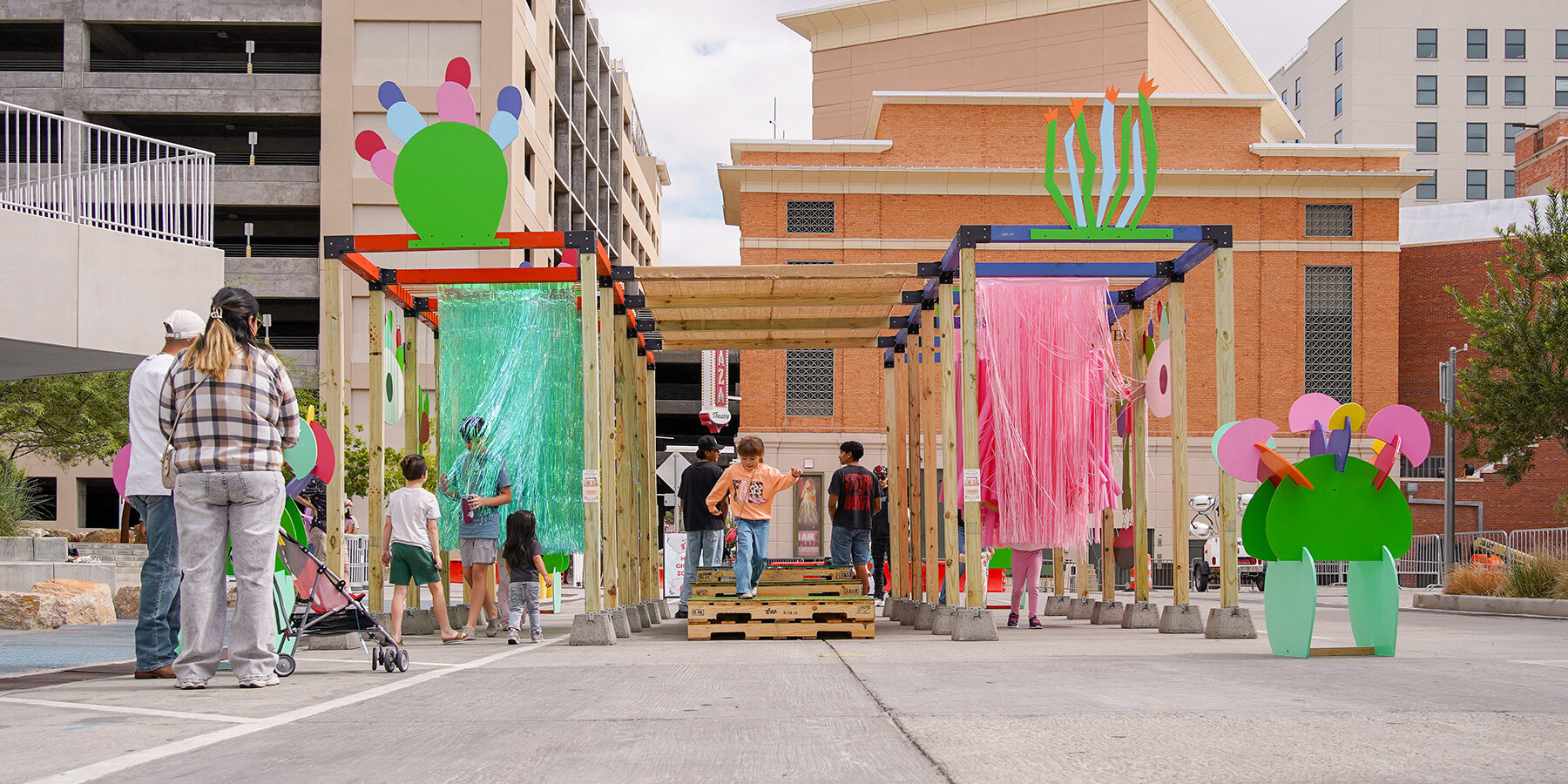
the installation invites children to explore different textures and surfaces
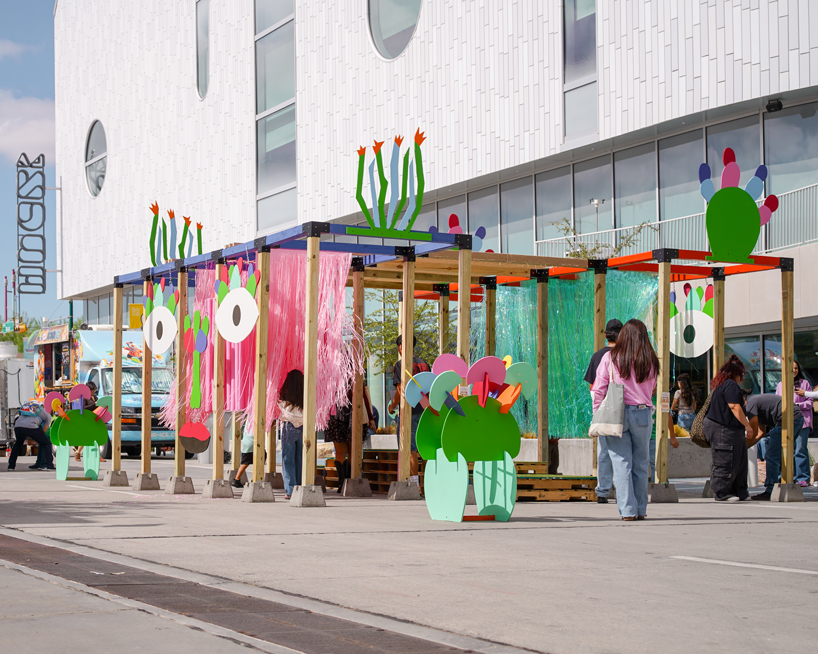
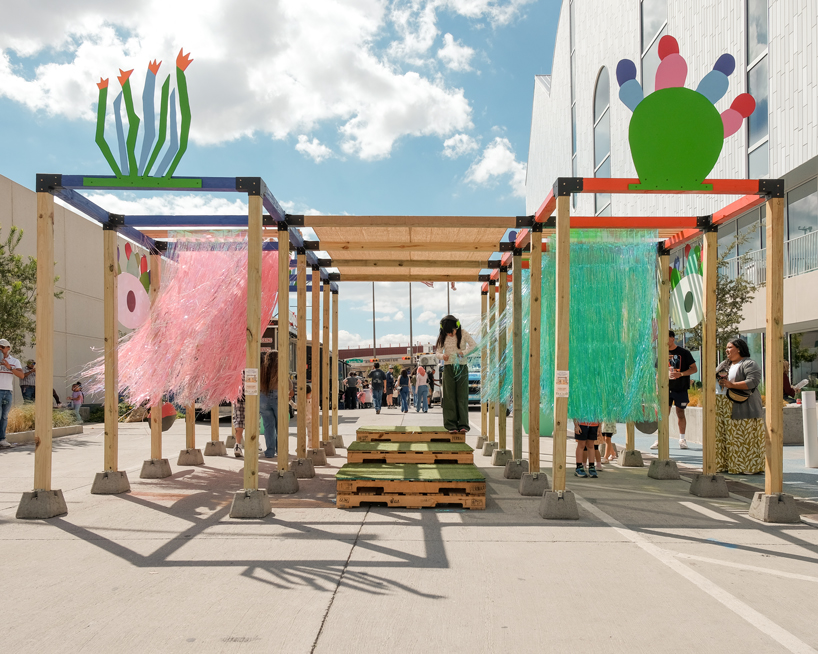
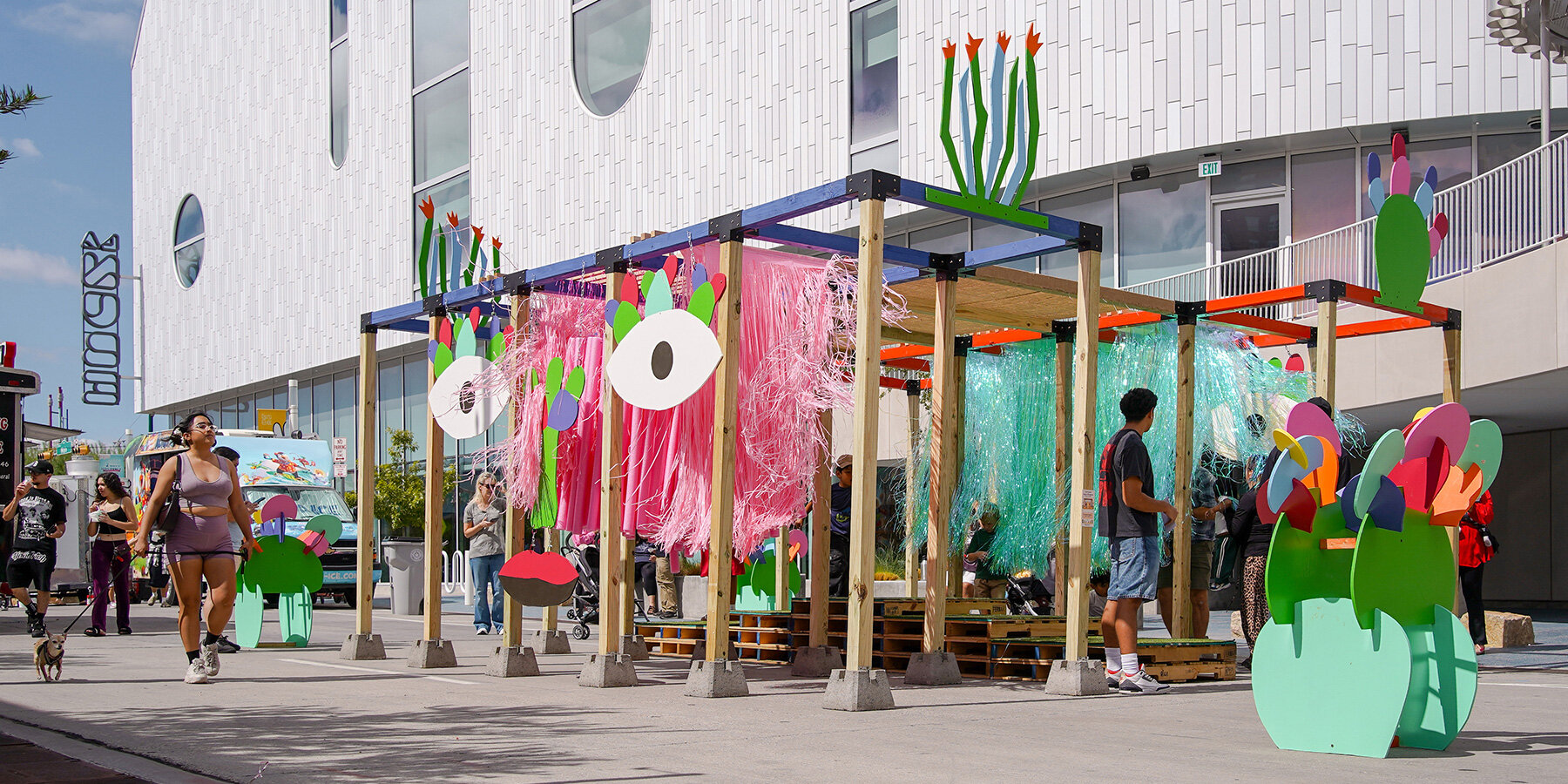
desert-inspired sculptural elements come together as a face
project info:
name: Desert Playgola
designer: Miguel Mendoza
location: El Paso, Texas, USA
designboom has received this project from our DIY submissions feature, where we welcome our readers to submit their own work for publication. See more project submissions from our readers here.
The post desert-inspired sensory playground brings kid’s perspective to downtown el paso appeared first on designboom | architecture & design magazine.