

human point frames architecture as an unfolding timeline

HUMAN POINT CHOREOGRAPHS SPACE AROUND HUMAN PRESENCE
With three decades of practice behind it, Human Point approaches the built environment as a living sequence shaped by human presence. Spanning architecture, urban planning, real estate development, investment strategy, engineering, and turn-key construction, the multidisciplinary practice integrates architectural vision, technical expertise, and economic thinking into a unified approach, from initial concept to completed development.
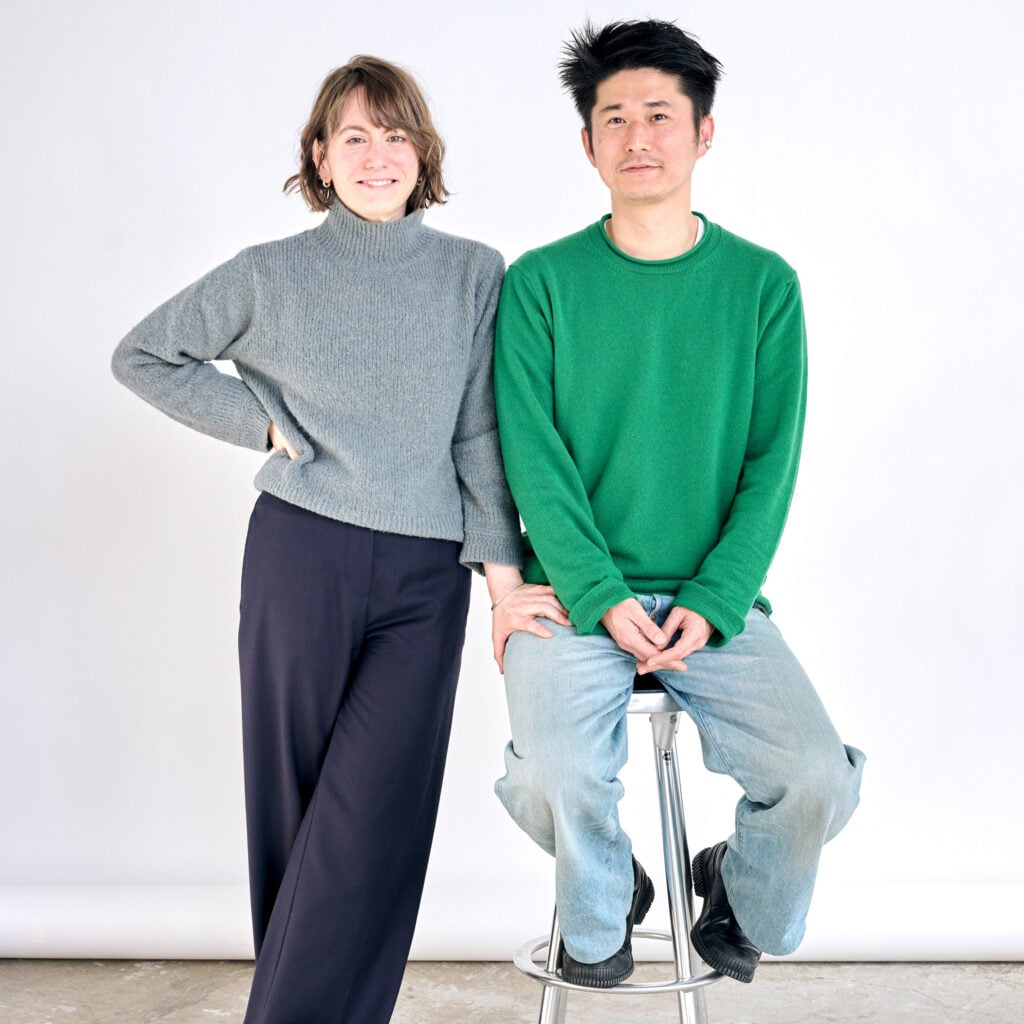
In a recent conversation with designboom, founder Loukas Fotopoulos unpacks how this directorial lens shapes the practice, treating physical space as a fluid timeline that unfolds through shifting light, evolving perspectives, and tactile materiality. This framework casts residents as active protagonists whose movement and interactions bring each environment to life in real time.
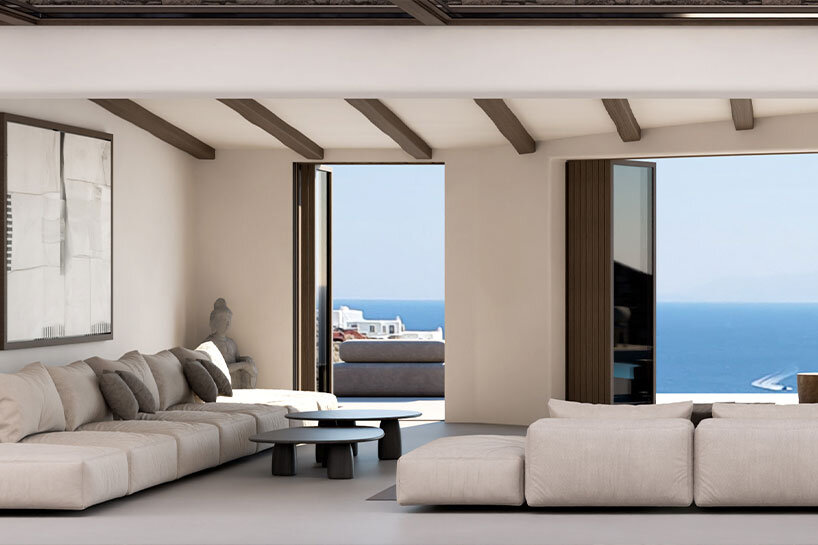
OPEN LABORATORY MERGING CRAFT AND DIALOGUE
Loukas Fotopoulos established his own architectural practice in 1996, continuing a family tradition of architecture. Having grown up alongside his father, architect Eleftherios Fotopoulos, in his architectural studio, he developed an early understanding of architectural thinking and practice. In 2008, his practice evolved into Human Point, expanding its approach beyond architecture.
Across residential, hospitality, and urban scales, the studio brings architecture, strategic development consulting, and immersive visual communication under one roof. Inside this open laboratory of ideas, every phase takes shape through continuous dialogue between creators and inhabitants.
LOUKAS FOTOPOULOS ON ARCHITECTURE AND THE HUMAN LOGIC OF VALUE
Human Point began as an architectural practice in 1996. How has it evolved?
Loukas Fotopoulos (LF): Architecture remains the foundation of everything we do. But over time, I became increasingly interested in everything that determines whether a good architectural idea becomes a good building. Design is one part of a larger process involving land, feasibility, planning, engineering, construction, financing and, ultimately, how people experience the completed project. Human Point evolved to bring these decisions together, from the earliest investment strategy through construction. We wanted to take responsibility for the entire process rather than simply contribute to one stage. For me, this is not about offering more services. It is about protecting the coherence of the original idea.
You are both an architect and a filmmaker. How does cinema influence your architecture?
(LF): Architecture is often represented through static images, although nobody experiences a building that way. We move through space in time. Light changes, views unfold, materials approach the body. There is anticipation, transition and sometimes surprise. Cinema taught me to think in sequences. In architecture, the person inhabiting the space becomes the protagonist. There is another connection. Before directing a character, you must understand that character and, in a way, love them. Architecture requires something similar. Before designing for people, you must be genuinely interested in them. An architect, particularly one involved in development, cannot remain isolated in a studio. You need to understand society, economics, politics, science, technology and culture. And you need to enjoy life: travel, meet people, observe, celebrate and sometimes simply have fun. If architecture creates places for life, you must remain curious about life itself. That curiosity often generates unexpected, playful ideas that can also carry social purpose and economic intelligence.
What does human-centered architecture mean in practice?
(LF): For us, human-centered is not a style. It is a method of making decisions. How will somebody actually live here? How does a space feel in the morning or at night? Where do you naturally want to sit? Where do you need privacy? How does the building respond to the seasons and its landscape? Increasingly, we apply the same questions to development. If development creates the environments in which people live, it deserves the same human consideration as architecture itself.
Development is increasingly criticized for its impact on cities, islands and communities. Can development genuinely be human-centered?
(LF): Absolutely, but not automatically. Development becomes problematic when short-term financial return is its only criterion. Yet development itself is essential. We need investment, housing, hospitality, infrastructure and the intelligent transformation of existing buildings. The question is how we do it. A carefully studied development can respect its location, respond to real needs, use resources intelligently and remain economically successful. I don’t believe architecture has to choose between human value and economic value. Good development should create both. Capital is essential, but it should work alongside architectural vision, scientific knowledge, technical expertise, social responsibility and long-term thinking.
And meaningful development opportunities should not necessarily belong only to large institutional players.
Private investors, smaller investment groups and landowners should also be able to participate in professionally structured developments when they have access to the appropriate architectural, financial and technical expertise. For that to happen, the institutional and regulatory framework should provide fair and equal conditions for participation, regardless of scale. In a sense, this is also a political position. Not against capital — we need capital and want to work with it — but in favor of profitable investment that recognizes wider social, environmental and cultural responsibilities. Private value and collective benefit do not always have to be in conflict. In fact, well-conceived development can strengthen both.
Where did your interest in the economics of architecture begin?
(LF): During the Greek financial crisis, I began exploring how architecture could generate economic as well as spatial value. This led to House Income, a European-funded research project investigating income-generating buildings. Farm Stories in Syros developed this idea, combining architecture, agritourism, renewable energy and hospitality into a productive economy, inspired by traditional Greek island households where home, land and livelihood were interconnected. We wanted to reinterpret that intelligence for contemporary life. The relationship between architecture, sustainability and economic resilience continues to shape our approach to development.
Why did Human Point begin developing its own projects?
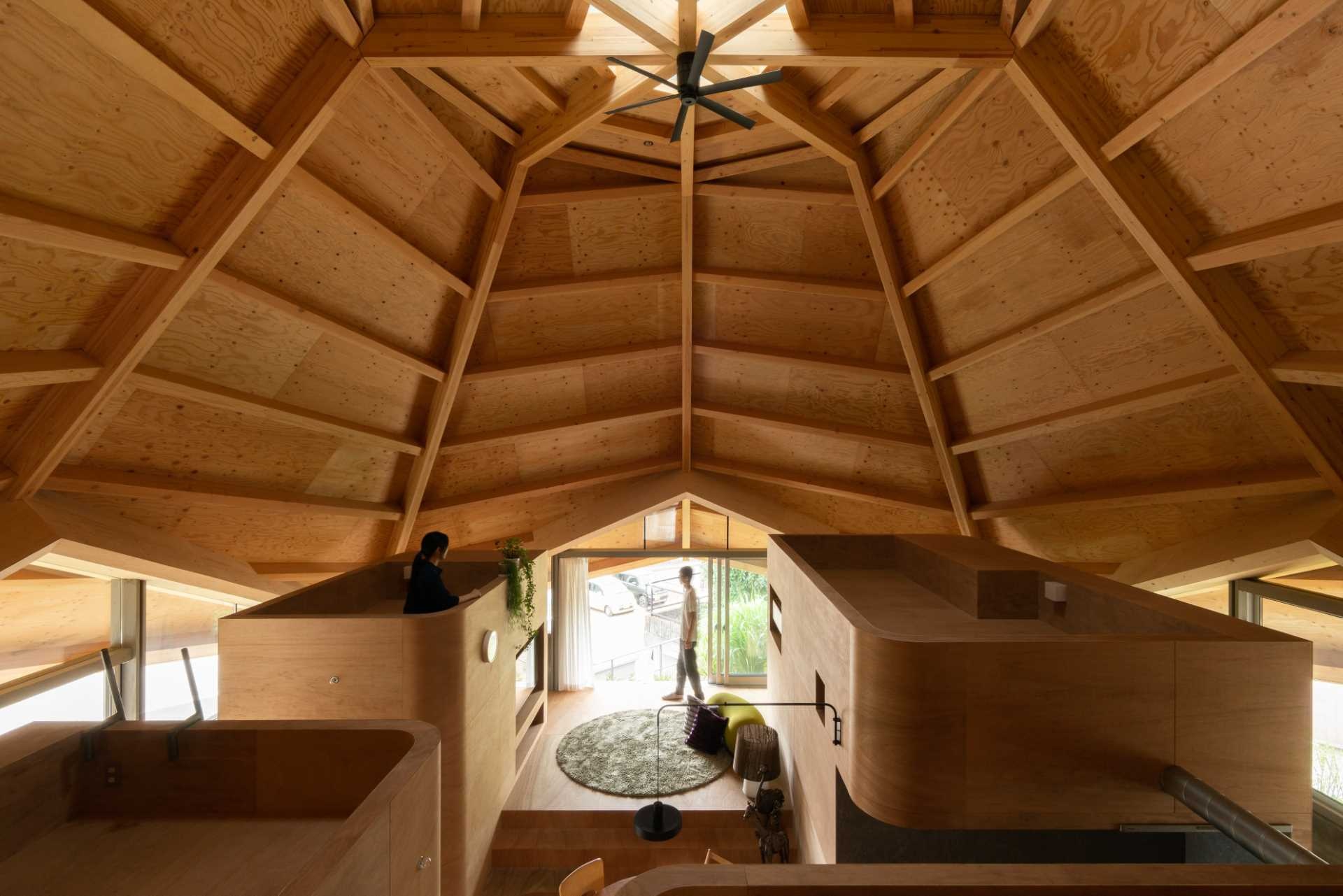
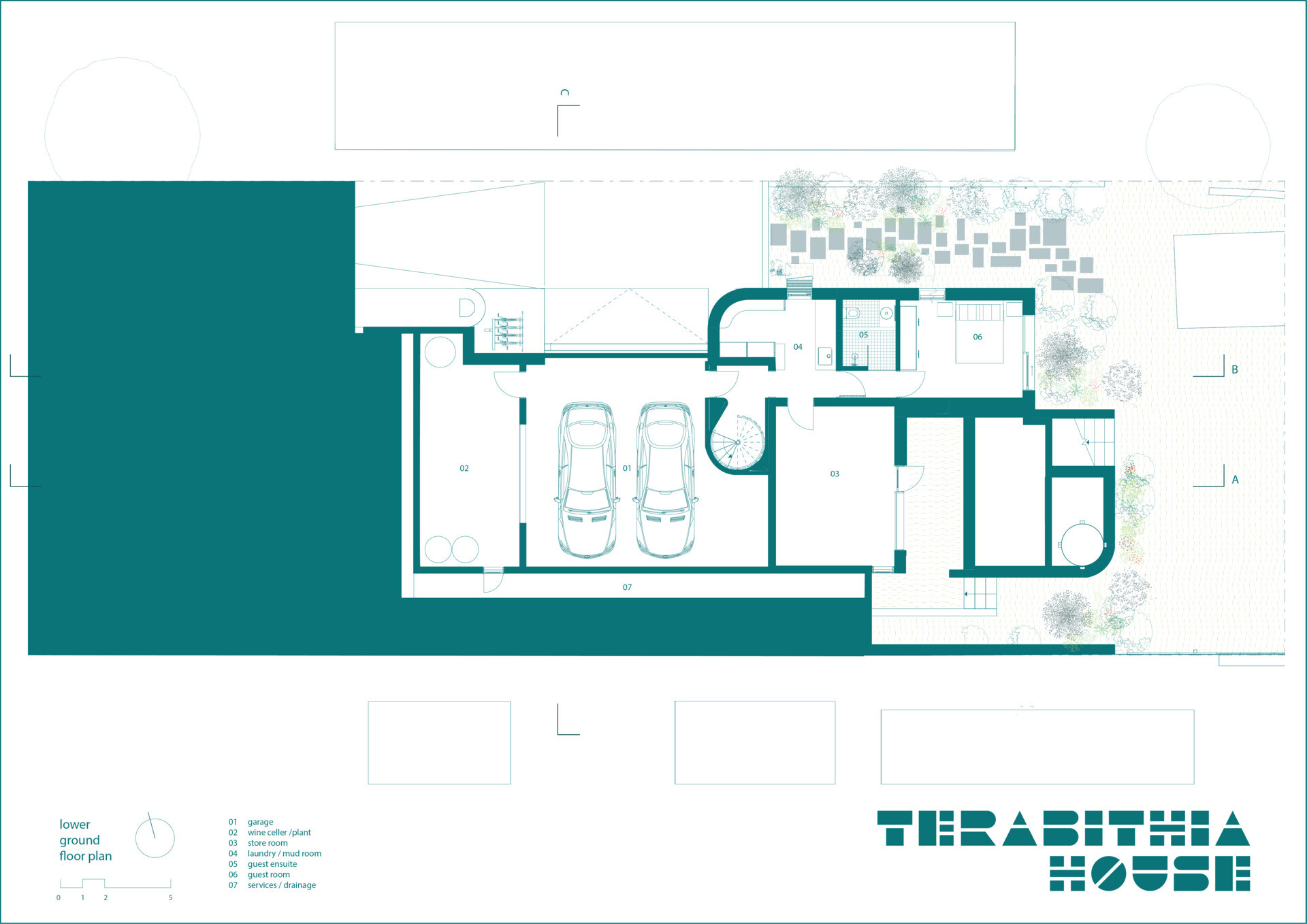
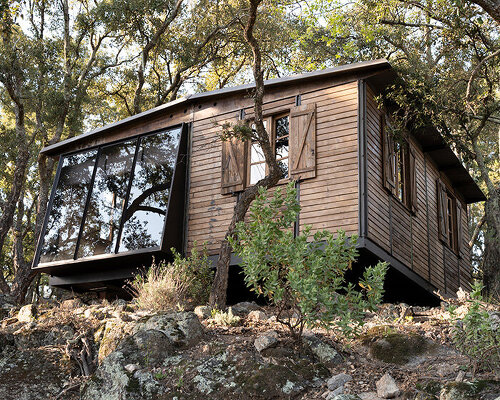
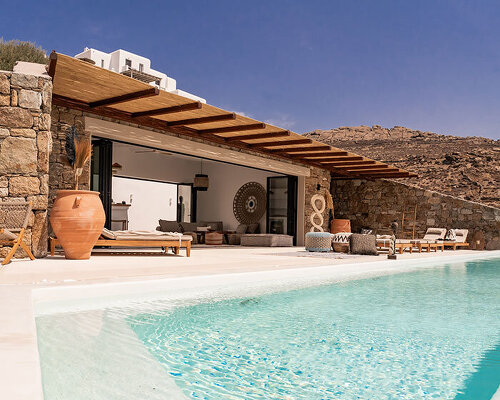
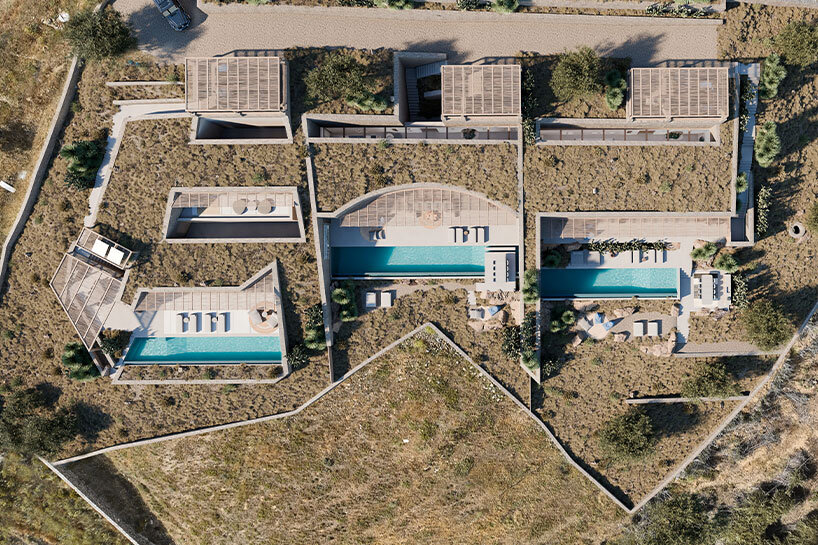
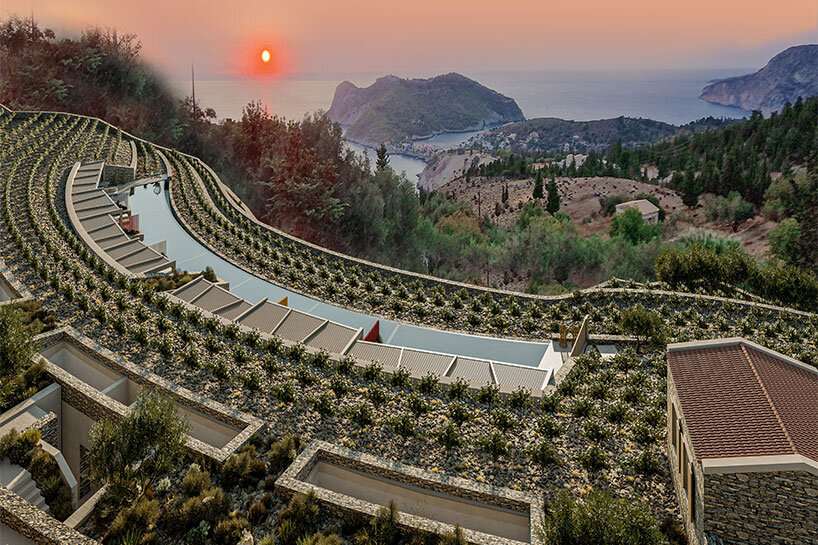
(LF): After years of designing, advising and managing construction for others, we wanted to test our ideas directly, with our own resources and responsibility. Whispering Elia in Mykonos gave us that opportunity. Its earth-sheltered villas become part of the steep Cycladic terrain rather than objects placed upon it. By investing our own capital and work, we are testing whether uncompromising architecture and commercially sustainable development can genuinely coexist. Whispering Ampeli in Kefalonia explores another relationship with landscape, drawing on historic vineyard terraces, vegetation and views towards the Ionian Sea.
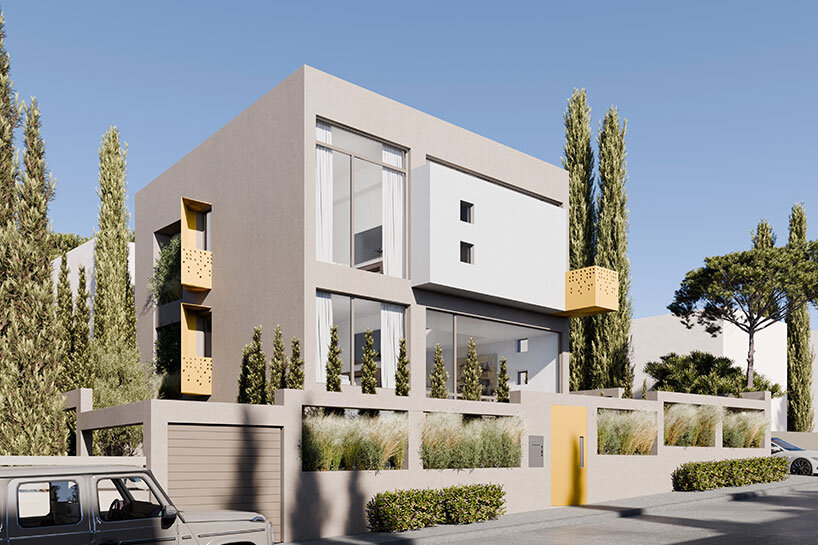
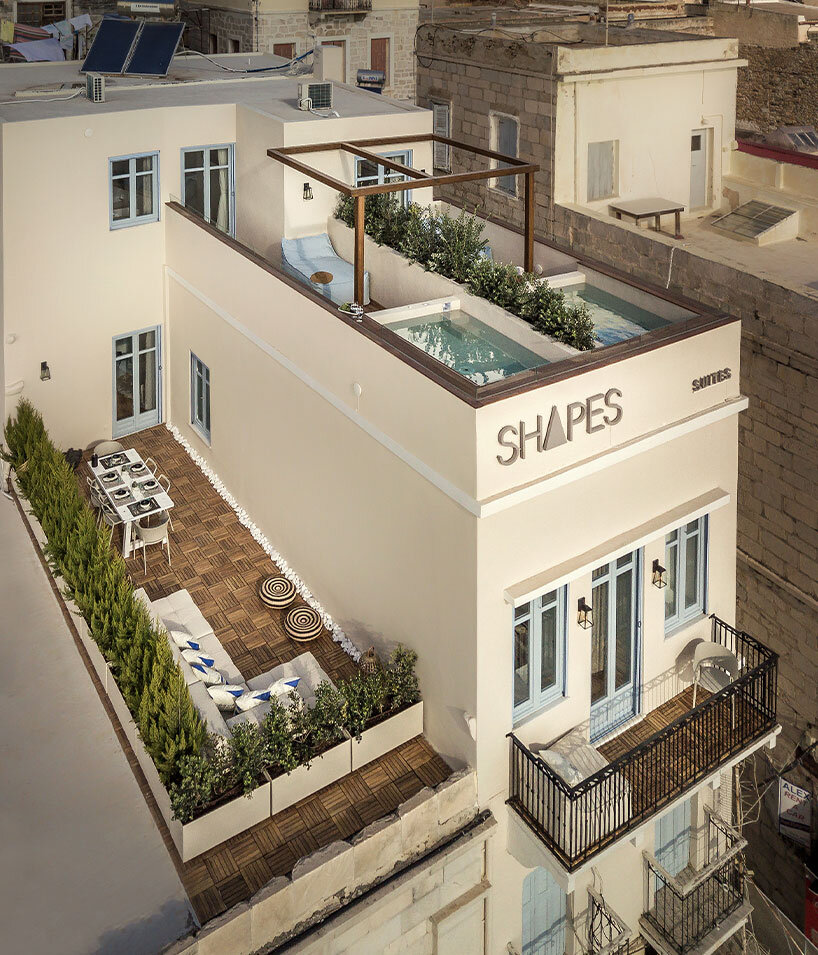
In Voula, we are developing a premium residence organized around a sunlit vertical atrium, greenery and a continuous dialogue between interior and exterior space. Shapes Ermoupolis in Syros demonstrates this approach. We presented a private investor with our vision for transforming a severely damaged listed building into a boutique hotel. He trusted our proposal, and together we brought it to life. The project delivered strong financial returns while preserving architectural heritage, revitalizing the waterfront and creating employment. It shows how private capital and architectural expertise can generate economic, social, cultural and environmental value together. For me, commercial viability should be a design parameter, not an obstacle to good architecture.
Does transforming existing buildings represent another form of development?
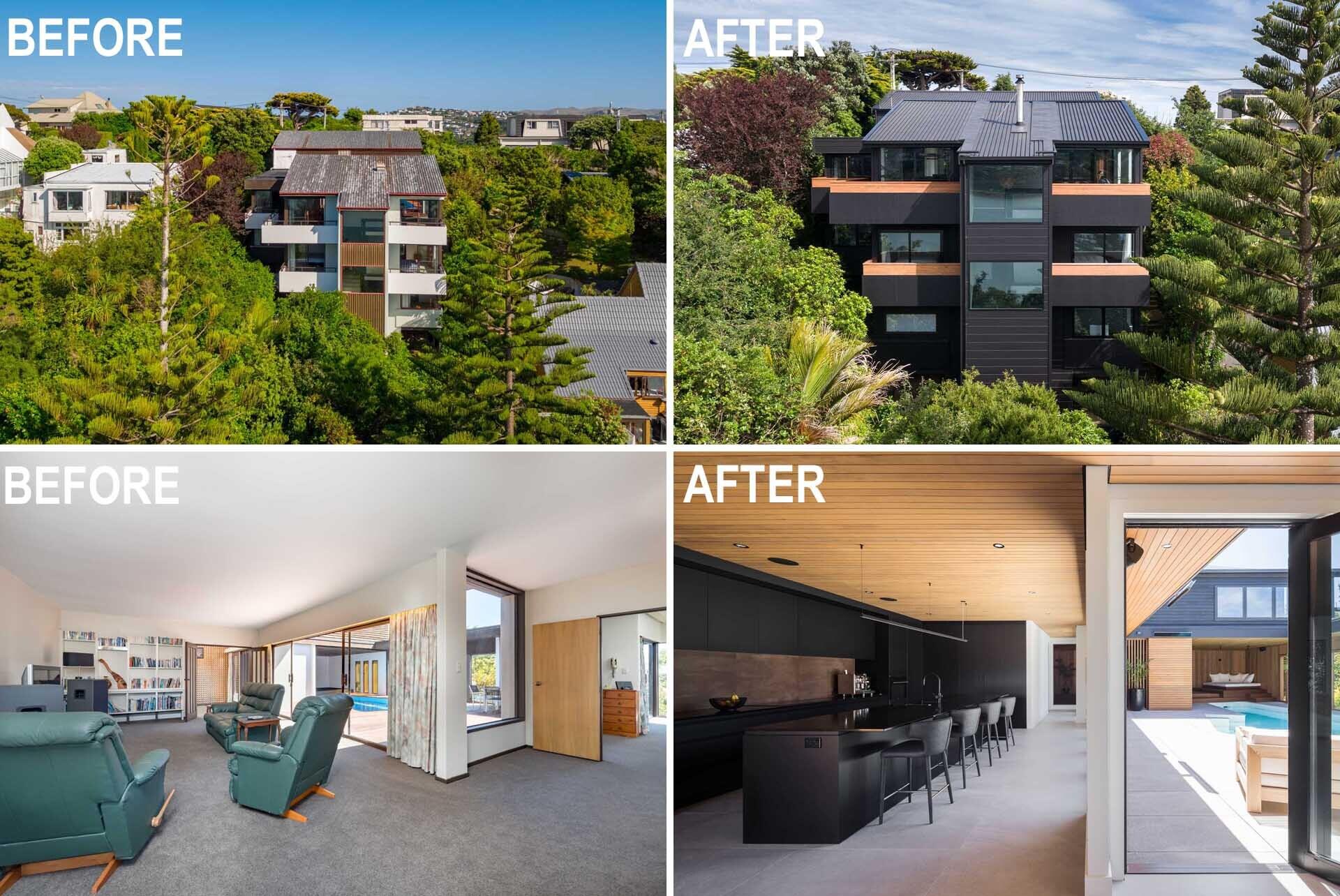
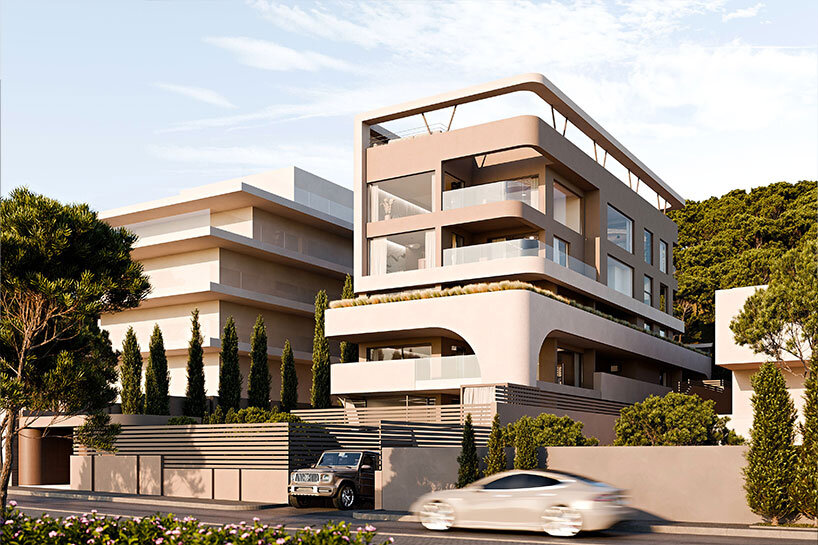
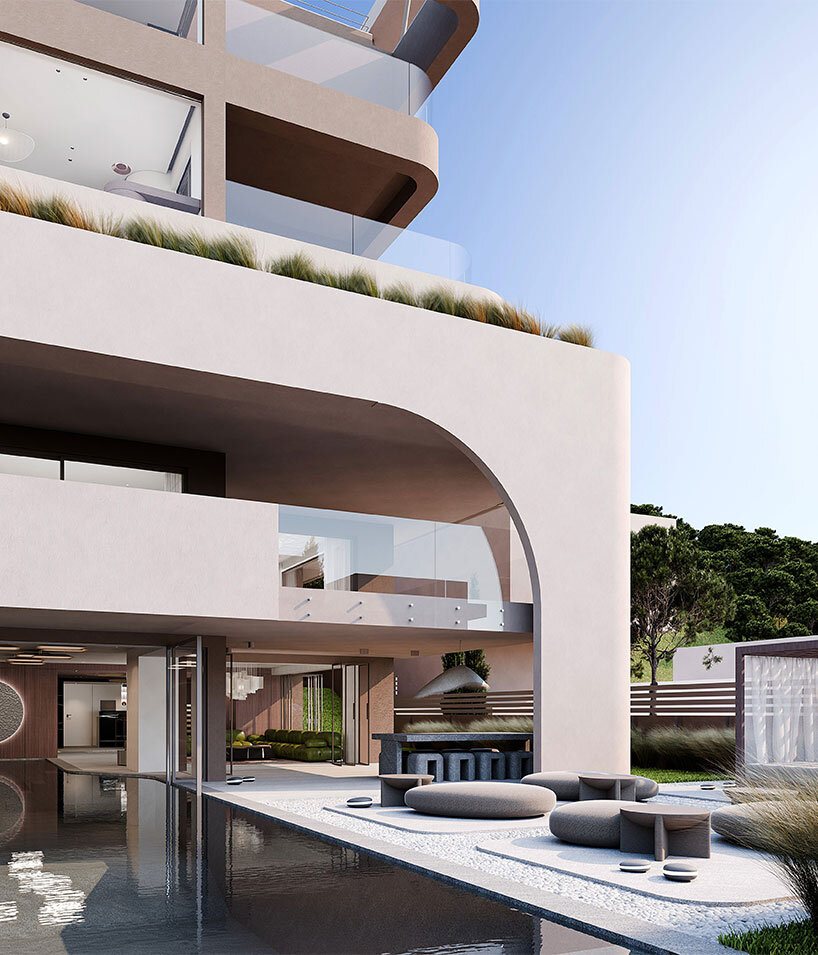
(LF): Certainly. Development does not always mean building something new. In Vouliagmeni, we are transforming an existing five-storey residential structure into three premium residences through new spatial configurations, pools, landscape, generous openings and a new architectural identity, while retaining much of its structural framework. This is also value creation: understanding what already exists and discovering how architecture can unlock its potential rather than automatically replacing it.
Your projects vary dramatically. Is there a common architectural language?
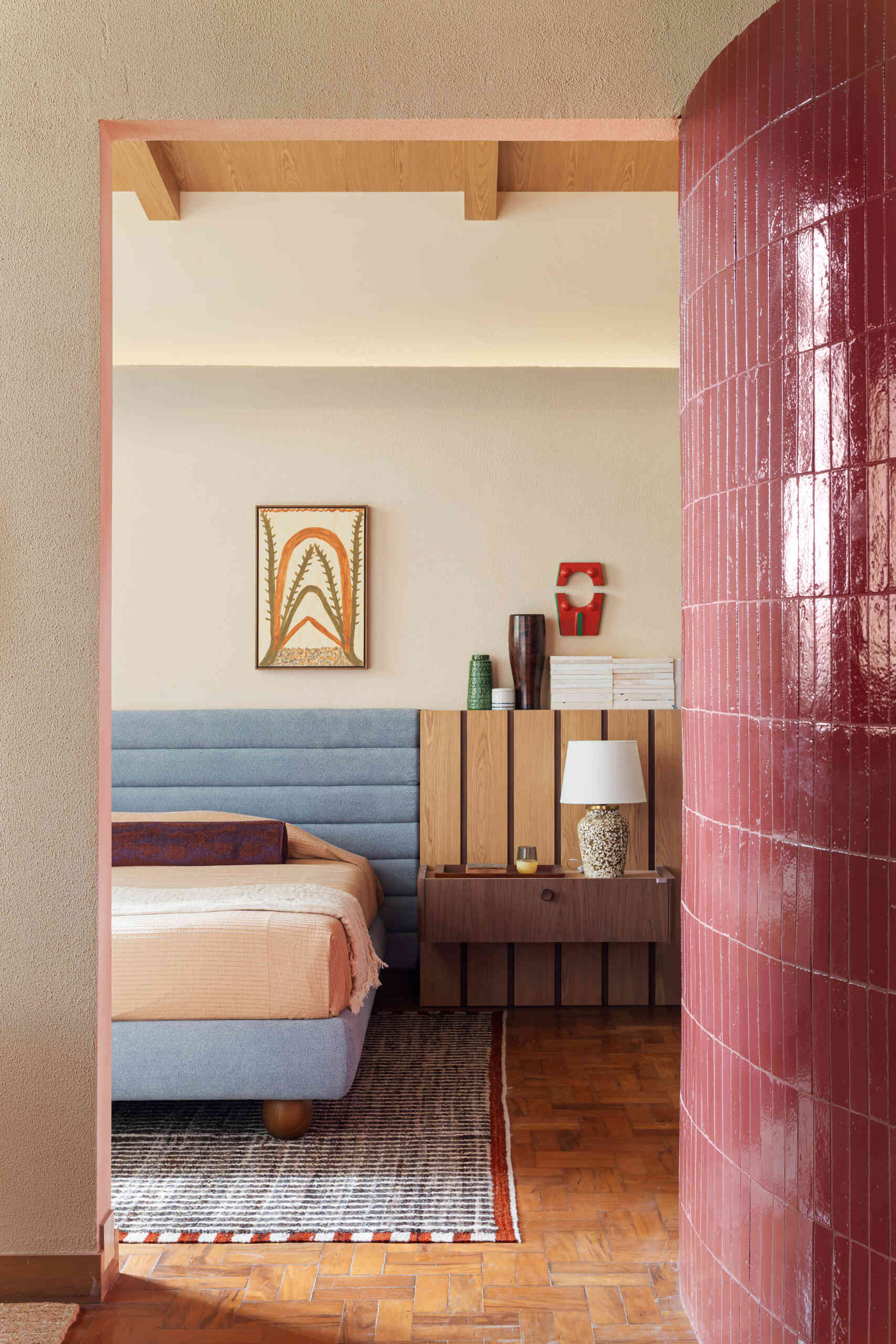
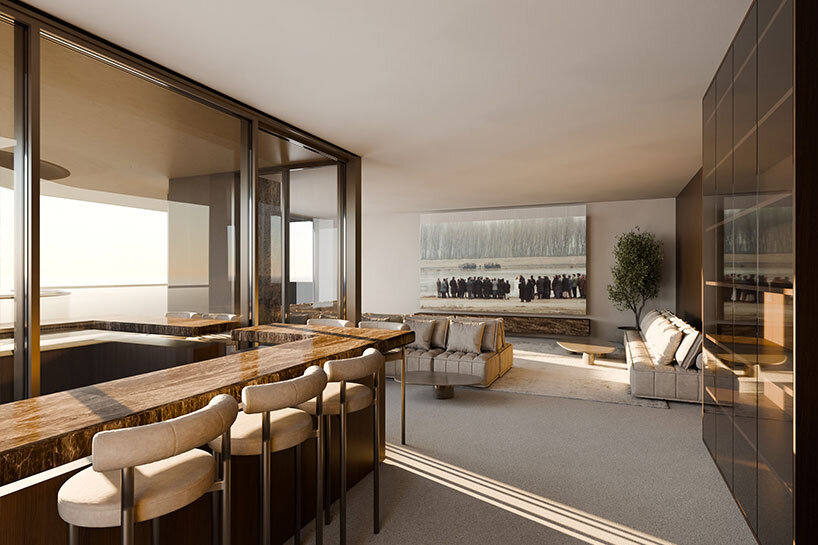
(LF): I hope there is a common way of thinking rather than a recognizable style. At the Riviera Tower Penthouse in Ellinikon, we are working with bespoke interiors, art, technology and materials in an exceptional urban setting. In Mykonos, architecture almost disappears into the earth. In Vouliagmeni, an existing structure acquires a new identity. In Syros, architecture can become part of a productive landscape or revive a historic building. The visual results are different, but the questions remain: Who is this for? How should it feel? What does the location demand? What is necessary, and what is unnecessary? How can the project create lasting value?I am more interested in consistency of thought than consistency of appearance.
After thirty years, what do you want Human Point to become?
(LF): I want it to remain boutique. And maybe win an Oscar one day. Human Point should be large enough to unite architecture, engineering, development, investment strategy and construction, yet small enough for every important project to matter to us personally. Ultimately, we want to create architectural, human, environmental, social and economic value together. When these values coexist, architecture and development become part of the same idea — and, hopefully, one worth loving.
project info:
architect: Human Point | @humanpoint.eu
projects: Whispering Elia, Mykonos Greece
Whispering Ampeli, Assos, Kefalonia, Greece
Riviera Tower Penthouse, Ellinikon, Athens Greece
Vouliagmeni Premium Residential Building, Athens Riviera, Greece
Voula Residence, Premium Private Residence, Athens Riviera, Greece
The post human point frames architecture as an unfolding timeline appeared first on designboom | architecture & design magazine.