


"I still say to myself 'I have achieved a lot'" says Diébédo Francis Kéré

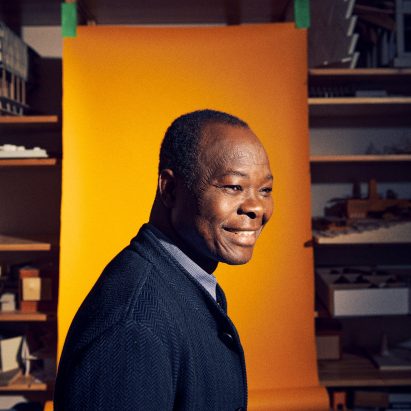
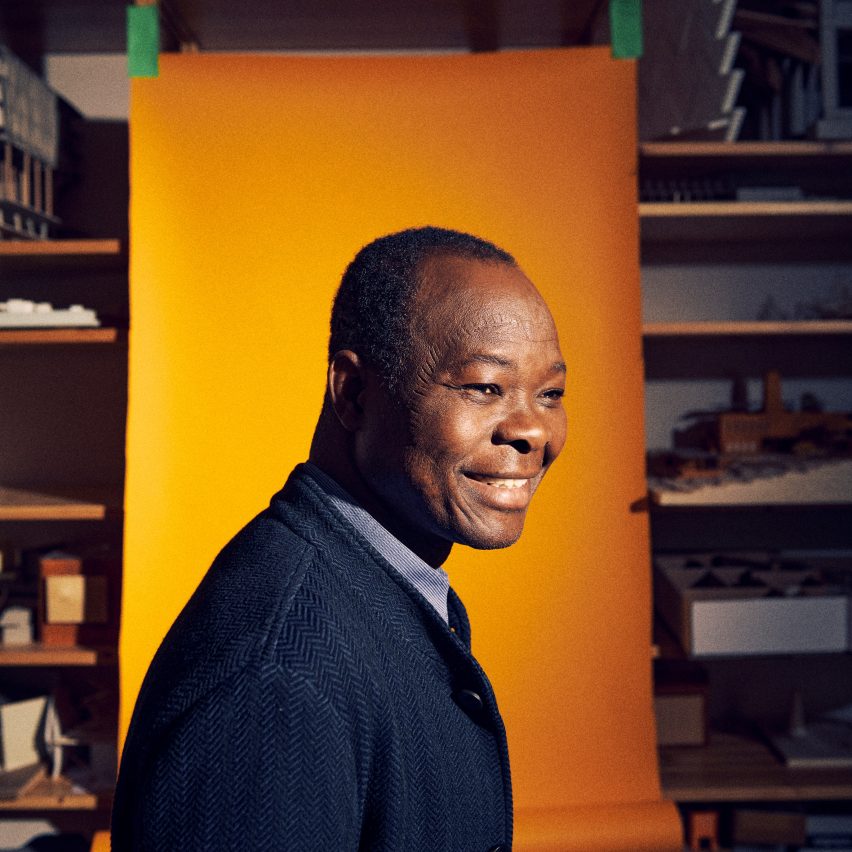
Pritzker Architecture Prize-winner Diébédo Francis Kéré has written a book candidly outlining his extraordinary career so far. In this interview, he explains why now felt like the moment to share what he's discovered along the way.
Burkinabè architect Kéré became the first African to win the profession's most prestigious award in 2022, in recognition of his community, resource and climate-conscious approach.
Having grown up in Burkina Faso – one of the world's most impoverished countries – he studied architecture in Berlin, after first moving to the city in the 1980s on a vocational carpentry scholarship.
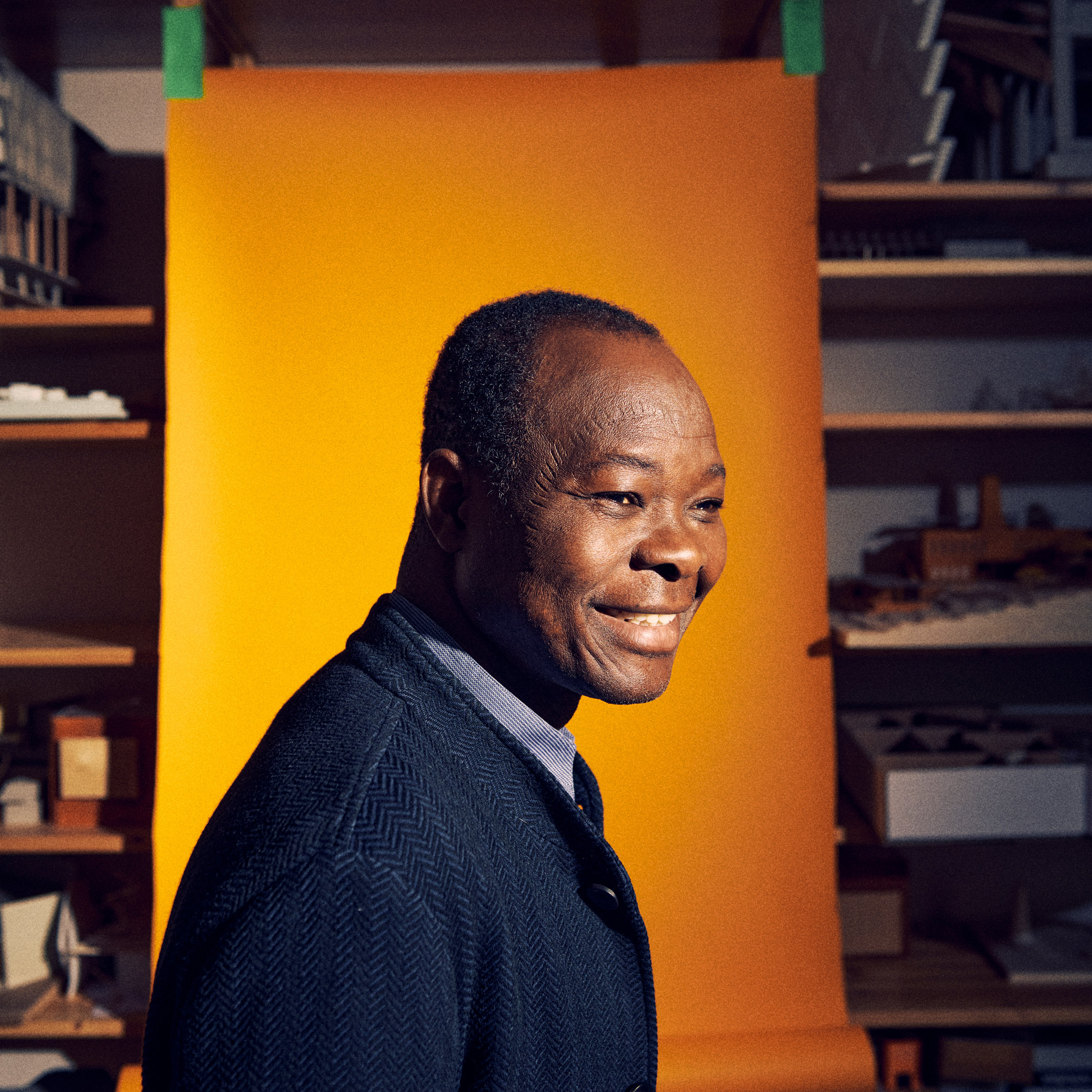
His studio, Kéré Architecture, was founded in the German capital in 2005. Recent commissions include the Benin National Assembly and Las Vegas Museum of Art.
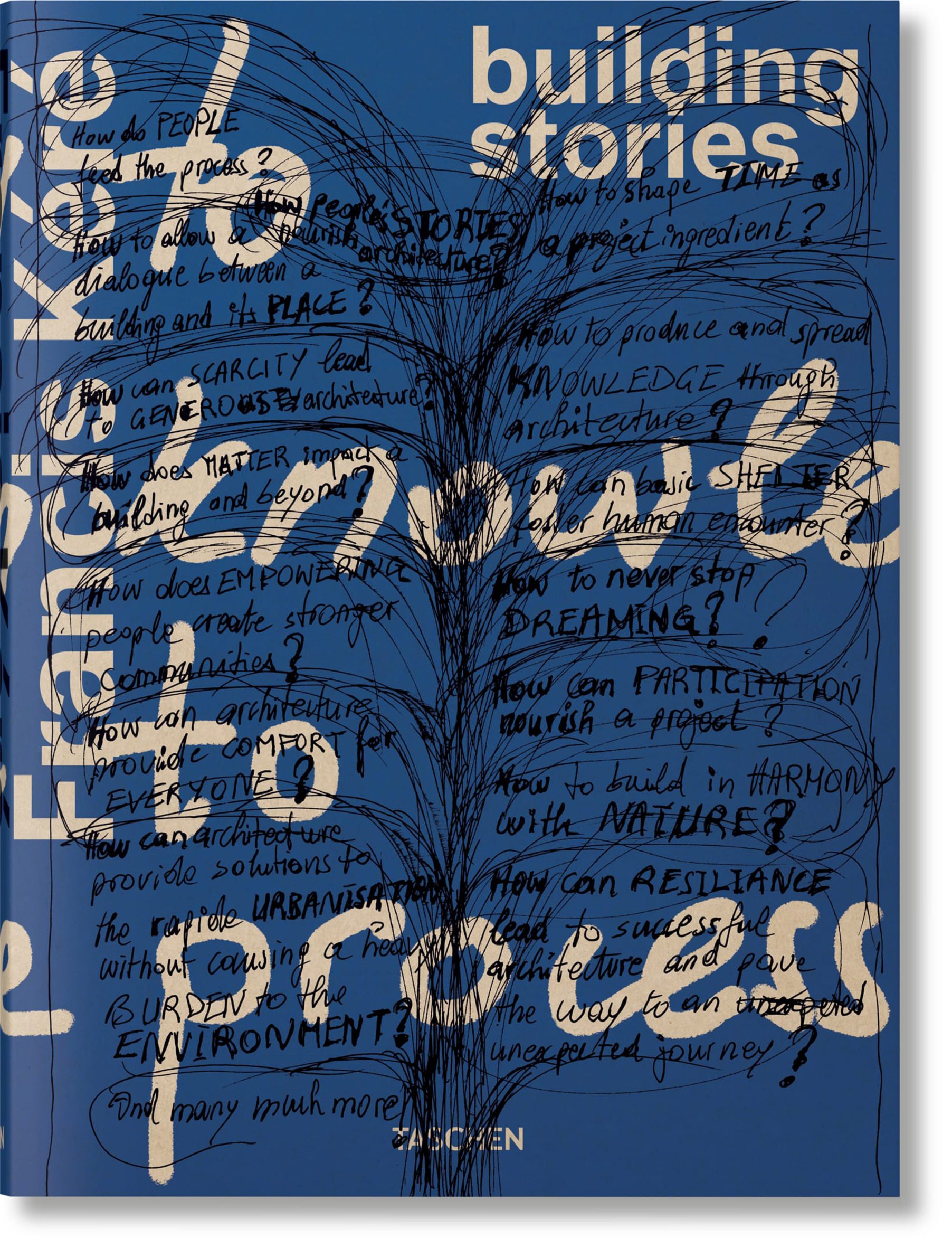
The 61-year-old recently released a book in which he candidly reflects on his rise to become one of architecture's most respected figures.
Titled Francis Kéré: Building Stories, it is designed to read like a personal notebook, recounting pivotal moments in his career from an unfiltered, first-hand perspective.
A recurring theme is Kéré's sense of pressure for his buildings to be successful, and an almost-chronic fear of falling short.
"I have survived. I succeeded."
"All of this emotion led me to write this book this way, to present what I have discovered for my people – it was like a miracle," he told Dezeen.
"When I started working in Burkina, life expectancy was under 40," he continued. "Now, it's far more than 40, but I still say to myself 'I have achieved a lot. I have survived. I succeeded.'"
"Why wait before talking frankly about what matters?"
One period of fear that sticks in Kéré's mind is when he was working on his first building – a primary school in his hometown, completed while he was still a student in Berlin in 2001.
Determined to create something unique for his community, Kéré had to overcome local skepticism over the use of unfired clay blocks due to concerns about the material's ability to withstand rainfall and maintenance requirements.
"It was true emotion and a lot of work to convince people," Kéré said. "In Africa, memory lasts very, very long. And if you fail, you fail."
"It was always the fear"
So much so, in fact, that he recalls being haunted by visions of future generations of his family being reminded of his blunder by members of the tribe.
"People would have always said, 'you had an ancestor who wanted to teach us how to build very differently, but he failed,'" he remembered thinking.
"It was always the fear. And those moments, when I'm thinking back, I say 'wow, how lucky I was'."
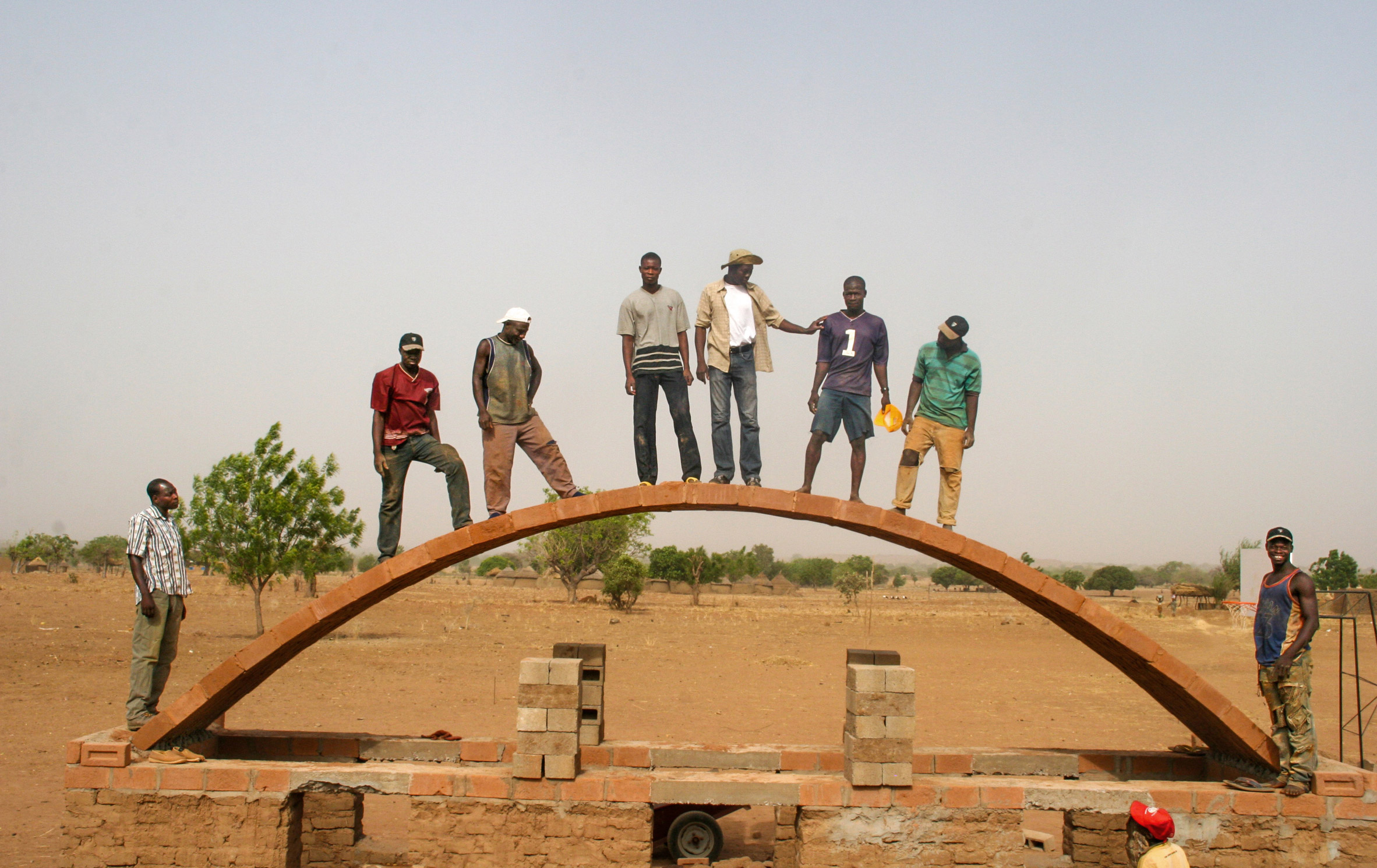
As it turned out, the Gando Primary School became one of the most lauded buildings of the 21st century so far.
Even now, having achieved worldwide acclaim, Kéré continues to angst over his projects.
That was the case for with the Thomas Sankara Memorial in Ouagadougou (pictured top), built to honour Burkina Faso's former president and national hero.
"It's a government project; there was a lot of pressure," he said.
Building a clay memorial was like "an insult"
The memorial encompasses a domed mausoleum, which was completed in early 2025, alongside a museum, a pavilion and a 100-metre-tall tower designed to be visible across the capital.
Here again, Kéré turned to compressed-earth bricks made from locally sourced clay for the structure, as well as locally sourced laterite.
Until recently, using such humble materials for a project of this nature would have been unthinkable, but Kéré was building on the success of his earlier works.

"To say you're going to build a memorial out of clay and laterite [was like] an insult," he explained. "No one could imagine that you could use these materials and create something that would have a powerful meaning."
"I never thought that it would be possible," he added.
The book collates 26 Kéré projects spanning Africa and beyond, including his 2017 Serpentine Pavilion, the Léo Surgical Clinic and Health Centre and the yet-to-be-completed Burkina Faso National Assembly.
Alongside detailed accounts by Kéré, it features unseen sketches, photography and architectural drawings overlaid with hand-written notes.
Each project reaffirms Kéré's localised, innovative and collaborative construction approach, for which the Burkinabè architect is often dubbed a social architect, humanist builder or similar.
In the book, Kéré simplifies his philosophy to "doing good".
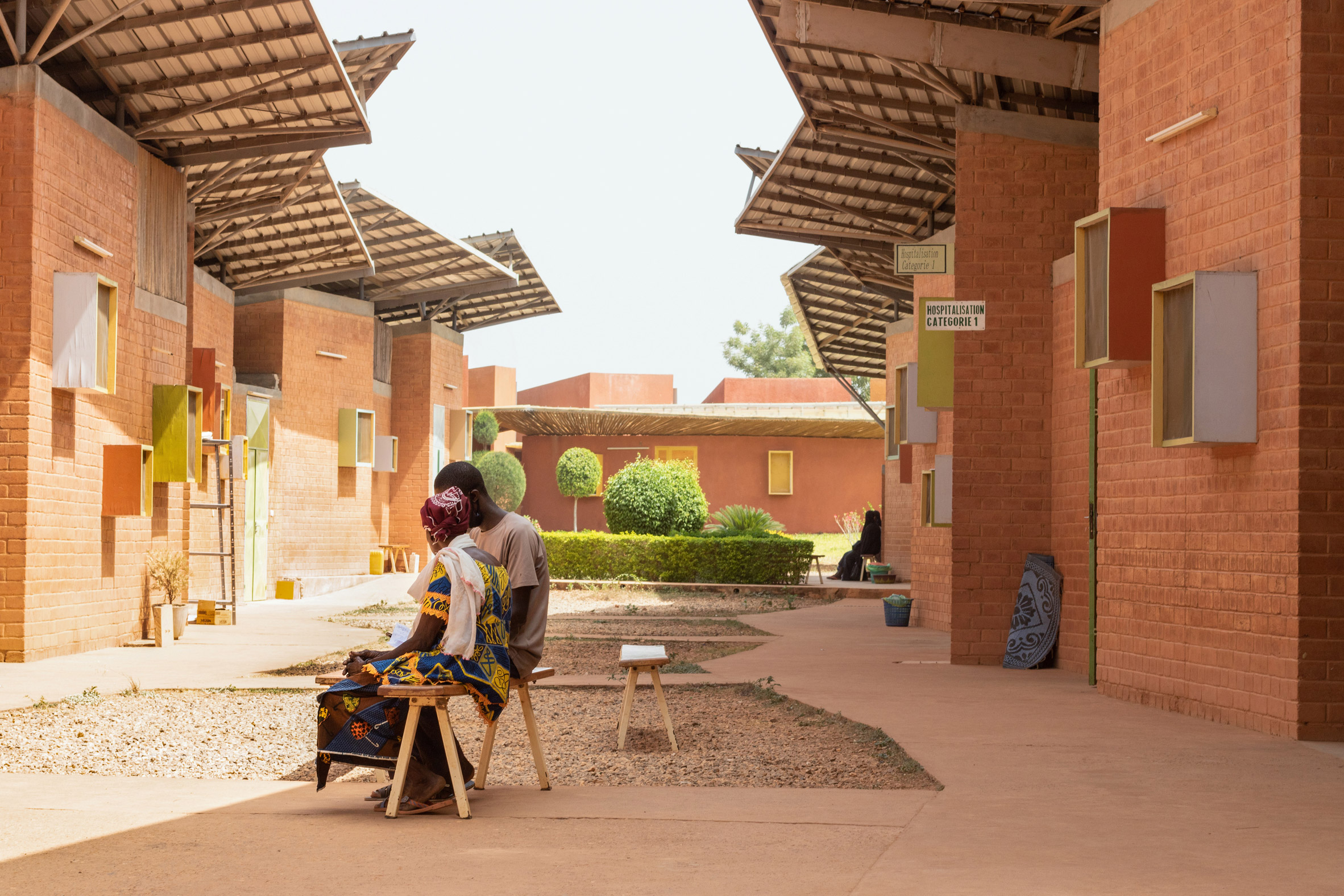
"From my perspective, doing good is to see what is needed," he explained.
"Looking at how I can really connect with those where a need is presented, and together see what is existing and use it to create something that is fundamentally solid, valuable, and at the same time inspiring for the people."
"The work I have been doing is always considered a matter of heart."
Architects "should not lose the fantasy"
After all that he has achieved, Kéré finally allows himself some satisfaction at how his commitment to innovation – even when under pressure – has played a critical role in shifting attitudes since the start of his career.
"It's wonderful," he said. "In some parts of the continent, you still have to prove [the use of mud] but generally the acceptance is great. People are just looking for it."
"Even under pressure, an architect should not lose the fantasy," he added.
The photography is by Kéré Architecture unless otherwise stated.
Dezeen In Depth
If you enjoy reading Dezeen's interviews, opinions and features, subscribe to Dezeen In Depth. Sent on the last Friday of each month, this newsletter provides a single place to read about the design and architecture stories behind the headlines.
The post "I still say to myself 'I have achieved a lot'" says Diébédo Francis Kéré appeared first on Dezeen.