

Meet BC Architects & Studies & Materials, Marina Tabassum's pick for the most influential architect of the next 20 years

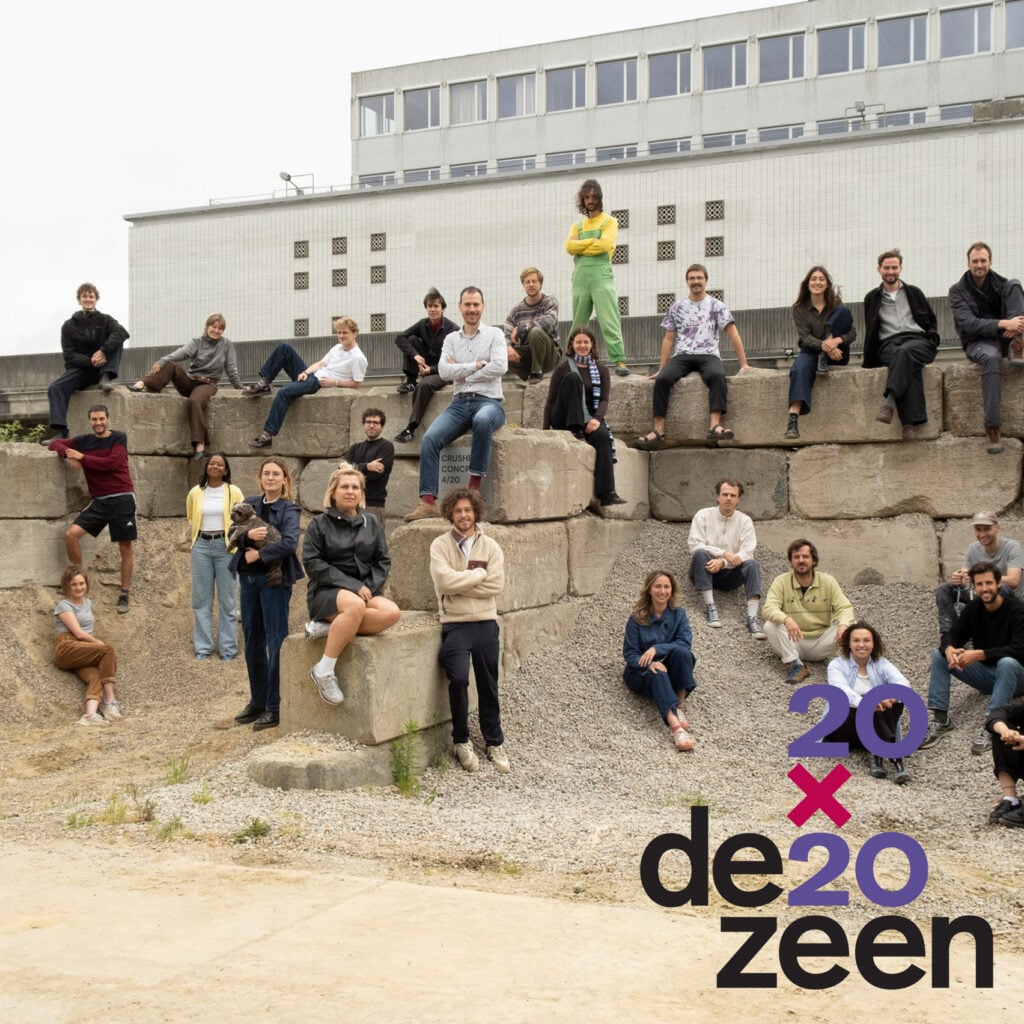

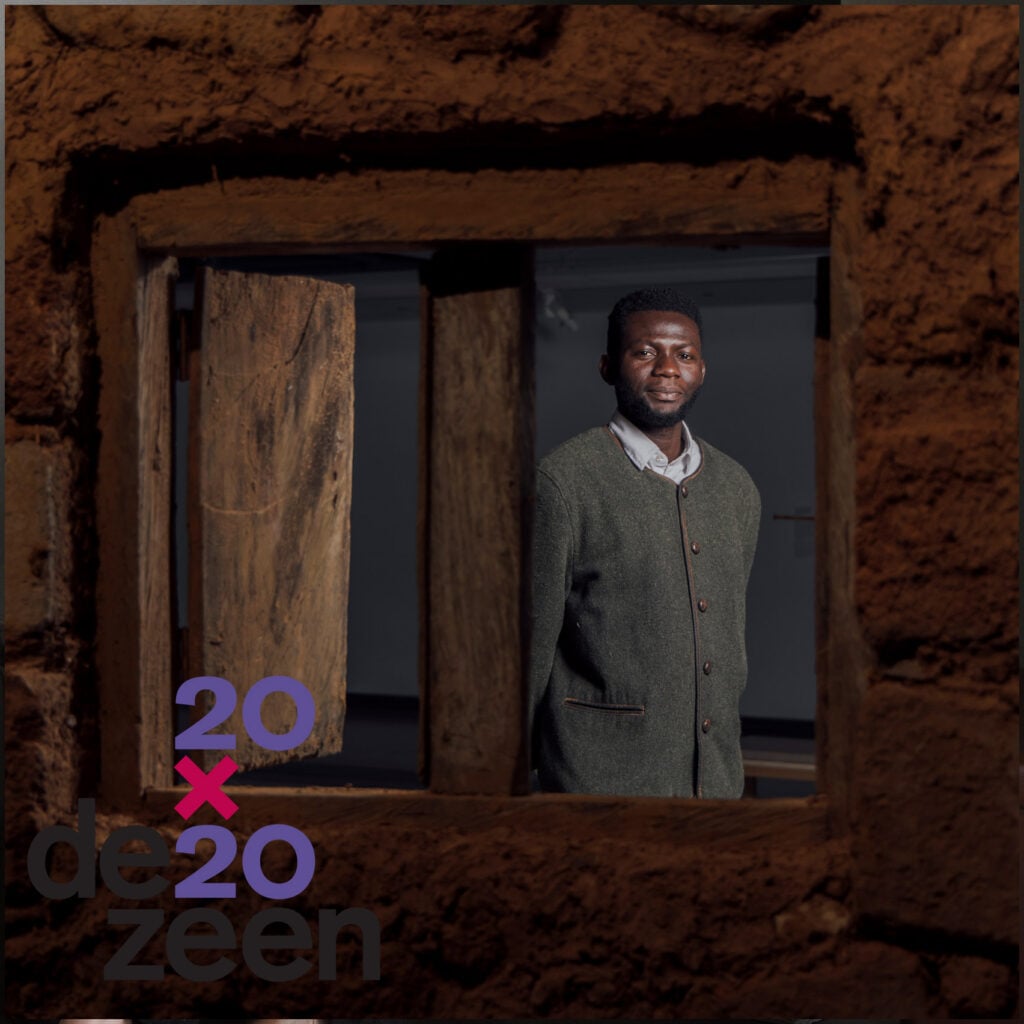
In this interview for Dezeen’s 20×20 project in partnership with Kohler, two of BC Architects & Studies & Materials’ founders discuss how their ideas have gone from being perceived as the product of “young idealism” to being taken seriously by the construction sector.
The Brussels-based studio is at the forefront of bio-regional and circular design, with a whole arm of its practice dedicated to the development of new materials, often making use of construction waste.
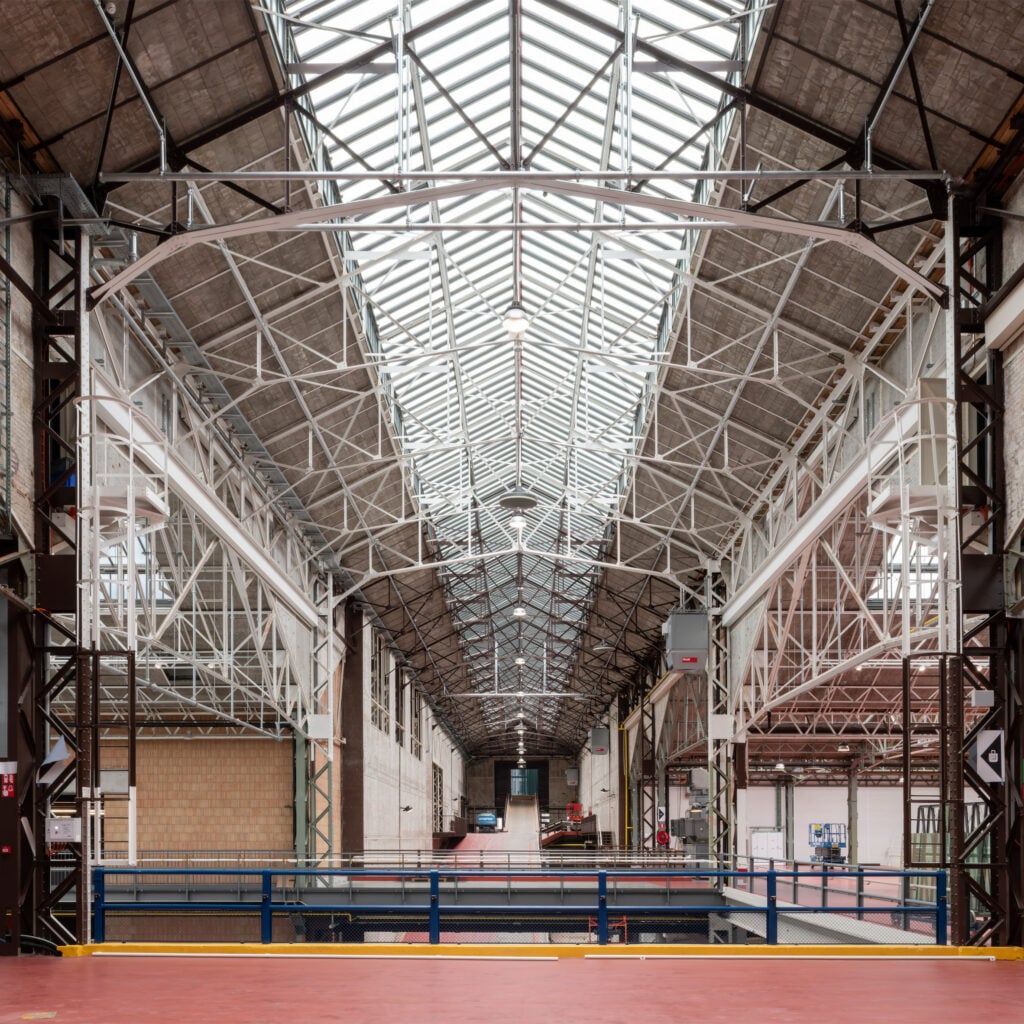
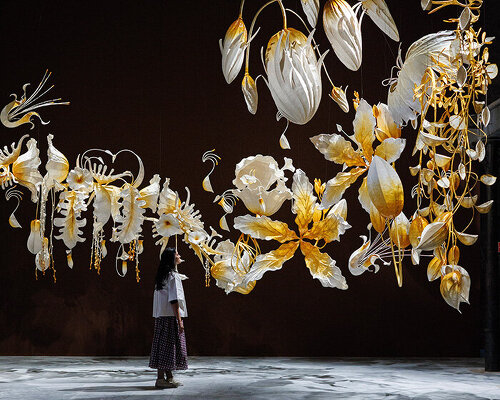
Recently, the studio worked with UK studio Assemble and circular design lab Atelier Luma to create Le Magasin Électrique at Luma Arles in France, with a palette that included everything from rammed earth and construction waste to salt and algae.
Alongside these likeminded practitioners, BC Architects & Studies & Materials is at the forefront of a recent wave of interest in bio-based materials and vernacular methods - ideas that the studio has been championing for some 15 years, pushing for systemic change in the industry.
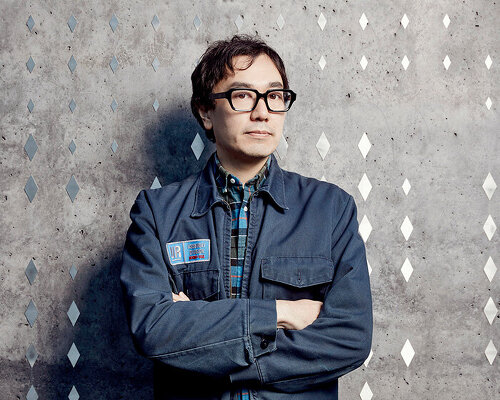
Founded between 2009 and 2012 by Ken De Cooman, Wes Degreef, Nicolas Coeckelberghs and Laurens Bekemans, the origins of BC Architects & Studies & Materials were – as its tripartite name suggests – not particularly conventional.
The studio is comprised of three different legal entities: BC Architects, an architecture cooperative; BC Studies, a non-profit “education laboratory”; and BC Materials, a material production co-operative.
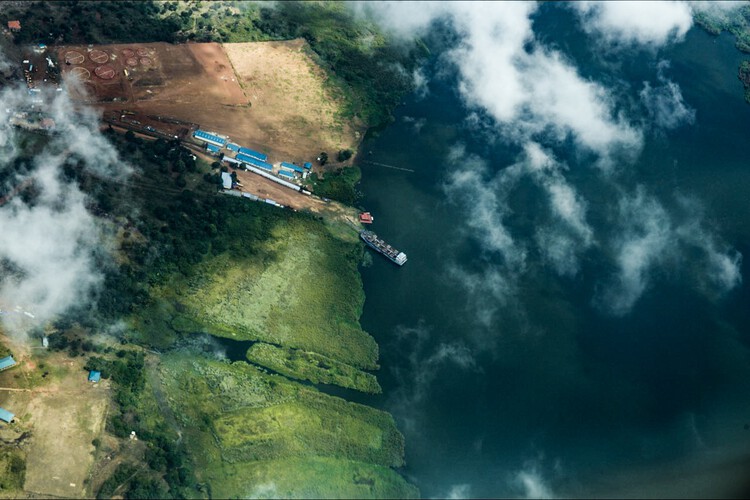
BC Architects & Studies & Materials's approach and outlook was borne out of a series of early projects in Burundi, Morocco and Ethiopia – where the studio briefly had a satellite office – which were grounded in working with local communities and materials.
“A lot of our first experiences in architecture were linked to different construction cultures,” said De Cooman. “I lived in Ethiopia for five years, others were in Morocco for a long time, and at the same time, we were finding our way in Belgium.”
“It was a different path to learning architecture as a practitioner," he continued. We learnt to work with local materials and short supply chains, to make do with what you find around.”
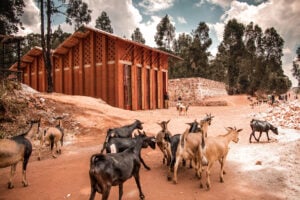
The studio’s first built project was the Library of Muyinga in Burundi, developed using an open-source template from the OpenStructures network and constructed from compressed earth bricks alongside members of the local community.
It feels much more valid to be doing this in our own construction culture
BC Architects & Studies & Materials also designed several school buildings and a women’s shelter in Morocco, often using the construction process itself as an opportunity for the sharing of knowledge around vernacular construction techniques and materials.
According to De Cooman, however, this strand of the studio’s work was never intended to be long-term.
Challenging a tendency in the industry to view these methods and techniques as solely belonging to the realm of "humanitarian" architecture, BC Architects & Studies & Materials's aim was to apply them to the business-as-usual processes of architecture and construction back home in Belgium.
“It feels much more valid to be doing this in our own construction culture,” said De Cooman.
“It was a huge learning process, and now we're really focussing on the here and now because it's here that we need to actually change the most.”
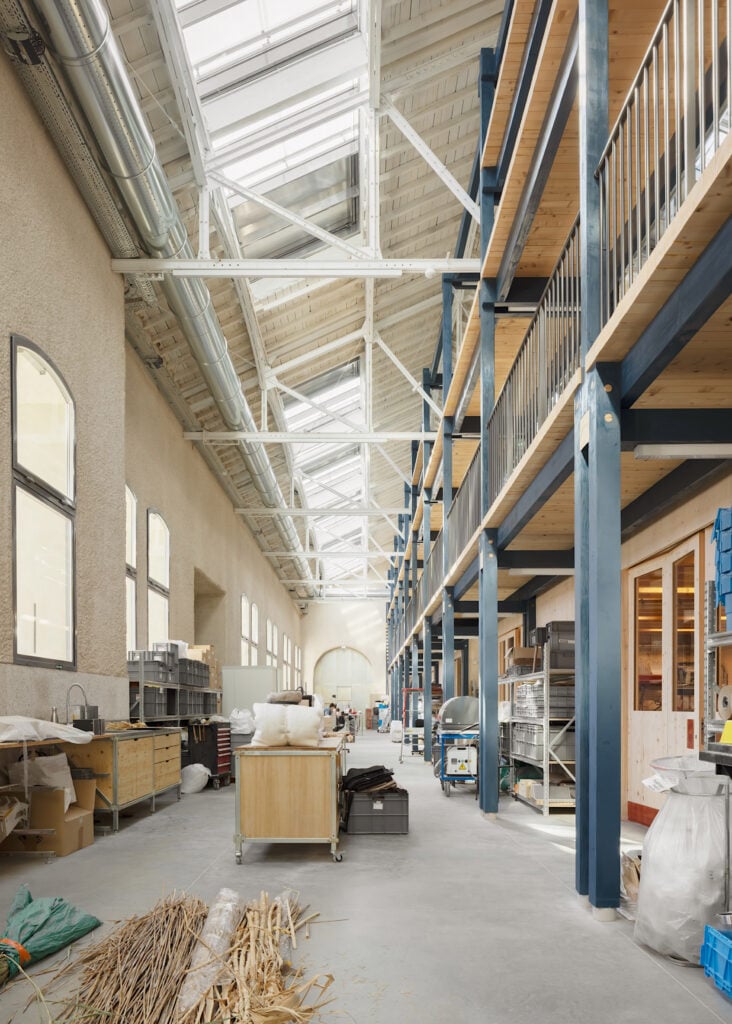
While a big part of this change is the studio's use of alternative materials, it was also based on the idea of building being an opportunity for shared learning, driven by BC’s belief in the the need for architects to be more engaged with the construction process.
We're still trying to emulate what our first experiences were: creating shared learning environments with people that can bring together different skills and learn from each other by really engaging with other field
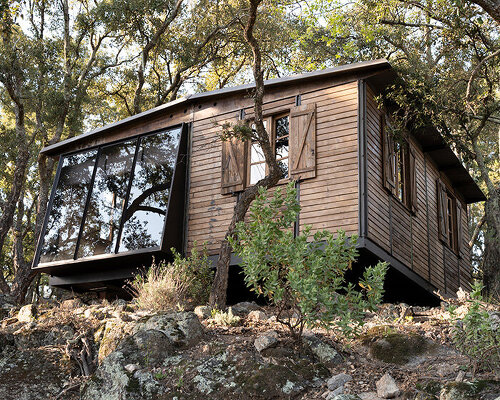
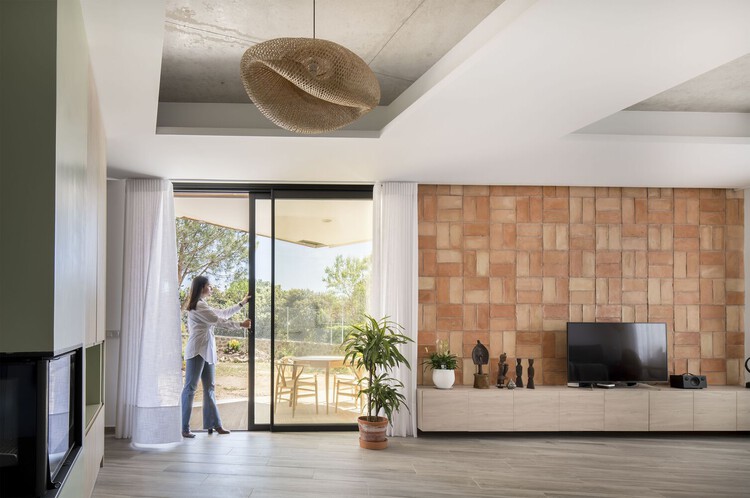
Several of the studio’s early projects in Belgium the result of these learning workshops. Maison de Chasse, a rammed-earth hunting house, was constructed over the course of the first rammed earth workshop in Belgium, based on the techniques of Martin Rauch and Anna Heringer.
In 2017, the renovation of a series of warehouses in Ghent into an artist’s studio for Pascale Marthine Tayou was achieved via a five-week “Urban Construction Camp”, in which volunteers created a new hempcrete structure inside an existing metal shell.
“We're still trying to emulate what our first experiences were: creating shared learning environments with people that can bring together different skills and learn from each other by really engaging with other fields, not on paper, but with the heart and the hands included,” explained De Cooman.
“It is crazy that we now have a system where, as an architect, you draw all the execution files and send them to a contractor to execute it exactly how you drew it.”
“The magic happens when everyone can get together – you can draw it together, find a passionate contractor to make it with.”
BC Architects & Studies & Materials was keen, however, to not be defined by this smaller-scale work, with the whole point being to demonstrate how these techniques and materials could be scaled up into larger contexts.
The idea of BC is to not only do small projects but also to change the building culture by making these materials available to big contractors and buildings
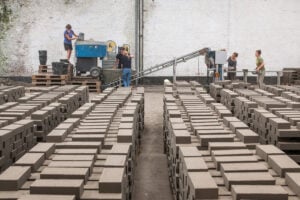
A key means to achieving this was the formal establishing of BC Materials in 2018, enabled by the interest generated by their earlier projects. Alongside consultancy, workshops and training, the BC Materials arm also offers its own range of earth and clay products, Léém.
“The idea of BC is to not only do small projects but also to change the building culture by making these materials available to big contractors and buildings,” says Wes Degreef.
“I think we were very surprised that the idea of working with a certain bioregion and its materials is something that we forgot in Europe.”
“Some of it still exists, but you really have to search for it. And with earth materials, for example, those crafts don't exist anymore in Belgium. So we had to do it; we became the craftsmen.”
Sure enough, the scale of the projects involving BC Architects & Studies & Materials – whether they are engaged as architects or as craftspeople – is growing.
"In the beginning, we were just like young, crazy people who are doing these weird things on Belgium,” said De Cooman.
“There was a bit of interest in it, but it was also seen as, young, idealist energy. Now, we're operating at a scale where we are actually seen as serious partners in the construction sector here in Belgium.”
There was a bit of interest in it, but it was also seen as, young, idealist energy. Now, we’re operating at a scale where we are actually seen as serious partners in the construction sector here in Belgium
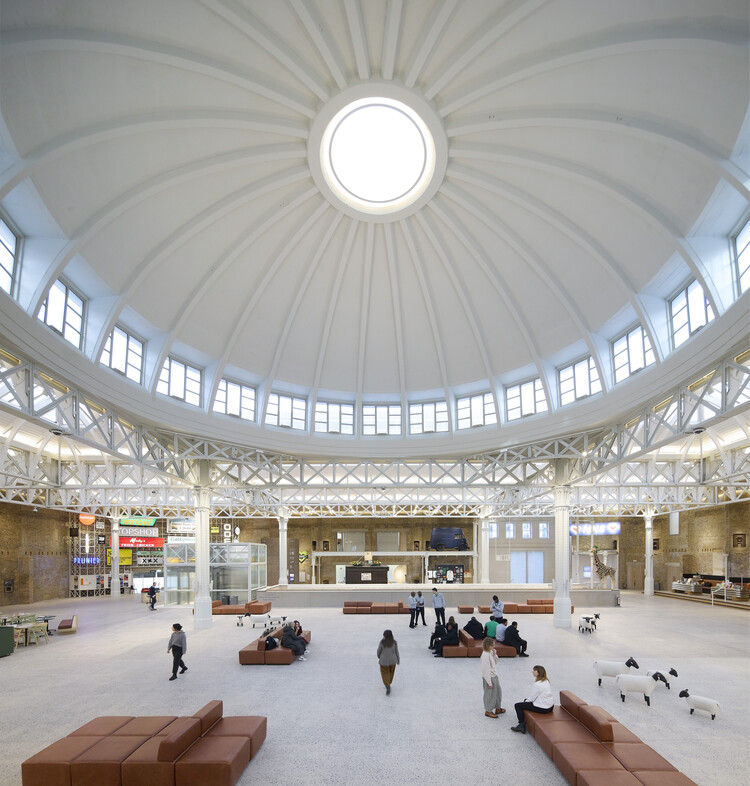
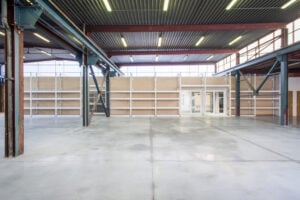
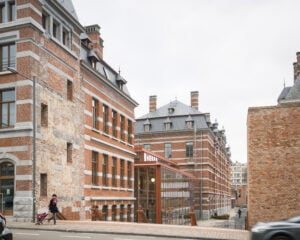
In Brussels, BC Architects & Studies & Materials worked alongside EVR-architecten to convert a former barracks into the Usquare Feder university district, the materials for which were sourced in part by the dismantling of several neighbouring buildings.
With numerous other residential and office projects in the works - including a new bioregional materials hub and workspace in the centre of Brussels, Stadsatelierdeville, that will be its future office.
If it at times felt like BC Architects & Studies & Materials were up against the world, it is projects like La Magasin Électrique, which was a finalist for the 2026 Mies van Der Rohe Award, that reveal a growing international network who share their outlook, one that De Cooman is quick to credit with a lot of their own success.
“I think the dial is shifting, but I don’t think it is us who did it,” said De Cooman.
“There are all kinds of practises, organisations, material developers, and so on, who see a different construction sector – it's a wave, a societal shift."
“We’re very happy about it, but it’s broader than our practice. The construction sector is very conservative and we're not there yet at all.”
Degreef adds that external social and economic pressures have also had a hand in forcing change to some degree.
“After Covid and the impacts on material prices, the gap between contemporary materials and the materials we want to promote is not so big anymore.”
Asked if there is a particular type of building that represents a dream project, however, they remain resolutely focused on processes and systems.
“I think, for us, it's not in the buildings itself. It’s not what we build, but how we build and how everybody needs to build.”
To celebrate Dezeen's 20th birthday, we asked 20 of the most influential architects and designers of the last 20 years to identify someone they think will have a major impact in the next 20 years. Over the next four weeks, we'll reveal their picks in a series of profile interviews.

20x20
The series is presented in partnership with Kohler.
The post Meet BC Architects & Studies & Materials, Marina Tabassum's pick for the most influential architect of the next 20 years appeared first on Dezeen.