

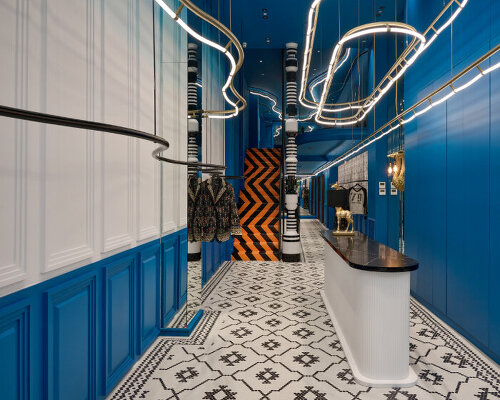
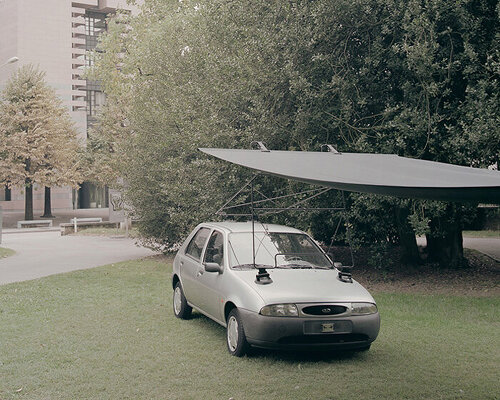
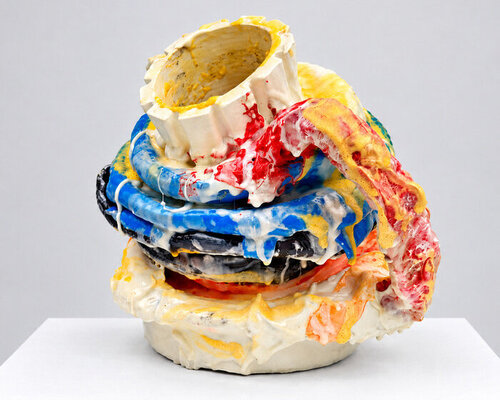
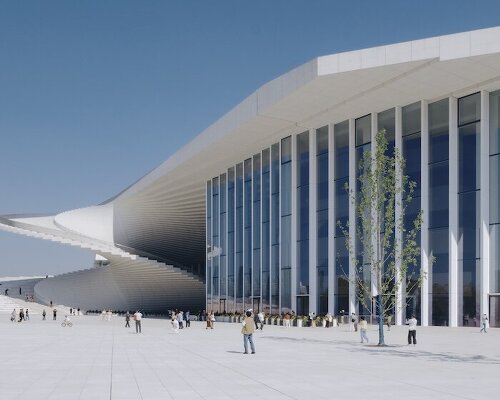




architect’26 challenges circular construction, material experimentation, and more


NEW PERSPECTIVE OF ARCHITECTURAL MATERIAL COMMUNICATION
Architect’26, under the theme ‘SATI: WISDOM: PROMPT’, marks its presence at Southeast Asia’s largest building technology exposition. It brings together architects, designers, and material manufacturers to create eight ‘Thematic Pavilions’ spanning circular construction, material experimentation, wellness-focused environments, and adaptive spatial design. Within this initiative, Architect Expo shapes a new perspective on how architecture can communicate material innovation beyond conventional formats, translating technical material properties into immersive spatial experiences that visitors could physically engage with through movement, light, texture, and scale.

Architect Expo shapes a new perspective to communicate material innovation | all images courtesy of Architect Expo
MEETING POINT FOR ARCHITECTURE’s THE NEXT DIRECTION
Every year, Architect Expo stands as a meeting point for Southeast Asia’s architecture and design scene. It is the place where ideas are exchanged and the next direction of architecture begins to take form. For its 2026 edition, the professional exchange grew. Across eight ‘Thematic Pavilions’ and the Palette of Materials Pavilion, Architect Expo reaffirmed its leading position by bringing new perspectives about materials such as aluminum profiles, wood, SPC surfaces, fiberglass, and recycled materials. It leaves conventional ways of thinking behind, and explores them in immersive platforms for experimentation, collaboration, and future-oriented innovation.

Palette of Materials gathered over 800 materials through 80 mood boards created by 40 design studios
palette of materials pavilion
As a directory for the exhibition, Palette of Materials Pavilion by Looklen Architects and TTF created a central space for material exploration, design dialogue, and creative connection between visitors. Architecturally, Looklen Architects drew inspiration from a bamboo forest, using layers of aluminium lines to create a sense of openness, blur, and discovery. The pavilion gathered over 800 materials through 80 mood boards created by 40 design studios, allowing visitors to experience how architects and designers actually select materials. Colors, textures, and surfaces were available for mix-and-match combinations, showing how different elements work together as one composition.

central space for material exploration, design dialogue, and creative connection
EIGHT THEMATIC PAVILIONS AT ARCHITECT’26
One of the major highlights of Architect’26 that attracted significant attention this year was the “Thematic Pavilion” — an experimental platform that opened opportunities for building material brands and design firms to reinterpret “materials” through experiential architecture.
This year marked the first time Architect Expo featured as many as eight Thematic Pavilions, the highest number ever presented at the exhibition. Each pavilion conveyed different concepts ranging from sustainability, future materials, craftsmanship, and technology to immersive spaces that invited visitors to experience, perceive, touch, and live alongside materials in entirely new dimensions.
In a futuristic structure wrapped in more than 860 reflective metal petals, ‘TODA ARK’ by TODA and Supermachine Studio reinterprets natural resources through contemporary material technology, under the concept ‘Artificiality in the New Reality’. The pavilion explores technology-driven materials, including Interior Film, Smart Flex Panel, Acrylic Stone, and Zero Gravity Flooring, as examples of how innovation can improve modern living while solving challenges in durability, installation, safety, and sustainability.

TODA ARK’ by TODA and Supermachine Studio
Known for its expertise in wood substitute materials, particularly SPC surfaces, BRT Intertech introduces a new perspective at Architect’26. The manufacturer proves that SPC can go far beyond flooring to become a flexible material for architectural design. The ‘Pranasathan’ pavilion, designed by Context Studio, showcases SPC materials carefully arranged into flowing curved forms with subtle gaps between each piece, recalling the rhythm of breathing itself. This structure was designed as a modular system that could be fully dismantled, reassembled, and adapted for future use.
To build the immersive atmosphere, the space is divided into three main zones: a tunnel for gathering focus, a space for self-awareness and reflection, and a central area representing the peak of mindfulness. Through this strong visual presence, visitors were encouraged to experience the space by understanding the rhythm of breath and reconnecting with the present moment.

BRT x Context Studio translates the invisible rhythm of breathing with SPC material in architectural structure
Watsaduniyom presents a thematic pavilion designed with long-term reuse in mind to address what happens to these structures after the exhibition ends. Designed by HAA Studio, the pavilion ‘The Tenth Light’ features more than 2,700 suspended wood slats. The entire structure was built using a hanging system that allows each component to be dismantled without damage and reused after the event.
Inside the pavilion, four architects presented design experiments transforming recycled and alternative materials into new functional objects, including bike racks, furniture, lighting, and contemporary construction blocks. This approach demonstrates a new way of thinking about temporary architecture, where materials are designed not for disposal, but for continued use. Watsaduniyom also introduced the brand’s ‘3A’ material innovation: APC (Aluminium plastic composite), realistic wood-like slats with an aluminium core ; ASA (Acrylonitrile Styrene Acrylate), a resistant surface layer; and AEF (Advance Engineered Flooring) engineered flooring with natural wood aesthetics and fast installation systems.

Watsaduniyom x HAA pavilion beyond ‘The Tenth Light’
SCG and SaTa Na Architect team up at Delta Stack pavilion, a cave-like architectural installation built from thousands of SCG’s material systems. Throughout the space roof elements were angled at 45 degrees following structural logic, while wall and ceiling materials were organized into a modular triangular framework connected through an interlocking steel system. Developed under the concept ‘Beyond Materials Into Life,’ the pavilion prompts the relationship between people, materials, and space to explore how materials can shape human experience, emotion, and memory.

Beyond Materials Into Life by SCG x Sa Ta Na
Vanachai continues its expansion from a wood substitute manufacturer collaborating with STUDIO TOFU to present ‘Ngon Pavilion’. The brand transforms wood flooring materials into a curved wooden stage. The material is reinterpreted as a continuous surface that gradually rises from the floor plane into the wall, reaching up to six meters in height. Designed as an open multipurpose space for learning, art viewing, and public gathering, the installation showcases how architecture can communicate the idea of ‘friendliness’ in a tangible way. It encourages the audience to question what lies beneath similar-looking surfaces, from production standards to invisible substances that may affect long-term health.

‘Friendliness’ in tangible way through Ngon Pavilion at Architect’26
Panel Plus collaborates with ACa Architects to create a thematic pavilion inspired by an endless rubber tree forest. Under the concept ‘LIMITLESS,’ they explore the architectural potential of wood substitute materials. The pavilion’s highlight is the material Perfect Wood, a melamine-faced wood panel that is odor-free, developed with low formaldehyde emissions. The space allows visitors to compare ordinary materials with low-formaldehyde alternatives to make invisible qualities, such as safety and indoor air quality, easier to understand.

‘LIMITLESS’ by Panel Plus x ACa Architects
‘UNFOLD’, showcased by aluframe with Unknown Surface Studio, reimagines aluminum profiles into a fan-shaped form made from layered triangular frames, through the interplay of light and shadow.This is developed with aluminium shelving systems from factories, outdated profiles, and materials awaiting recycling, turning industrial waste into an architectural experience. Designed as a display area, the pavilion features a material archive atmosphere that shows how aluminum profiles can shape a new architectural language.

aluframe x Unknown Surface Studio reframes aluminium through ‘UNFOLD’
At Architect’26, Häfele presented ASA Megä Hill that explores future living as a connection between people, technology, nature, and everyday life. The pavilion was designed with Jenchieh Hung and Kulthida Songkittipakdee from HAS design and research under ‘Future of Completion by Connecting with Nature.’ Shaped like a gentle hill, ASA Megä Hill is built with fiberglass. Instead of displaying products separately, Häfele explores a connected living system that integrates furniture fittings, appliances, and smart technology to show how small spaces can be maximized through planning, storage, and functional details.

shaped like a gentle hill, ASA Megä Hill pavilion is built with fiberglass
project info:
name: Architect’26
organizer: The Association of Siamese Architects under Royal Patronage (ASA)
The post architect’26 challenges circular construction, material experimentation, and more appeared first on designboom | architecture & design magazine.