


critical futures: how superflux draws upon speculative designs to transform our present
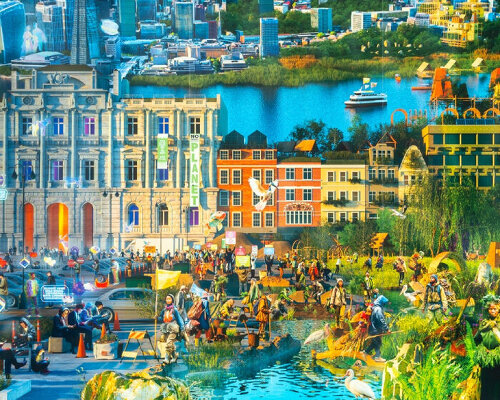
Superflux creates speculative designs for collective futures
Design studio Superflux analyzes our current world through the lens of speculative designs in hopes of crafting and building safer and more critical collective futures and climates. Founded in London by Anab Jain and Jon Ardern, the studio has spent fifteen years curating a practice around a specific ethos: that the most effective way to change what people do today is to make them experience what tomorrow can look like.
They illustrate details backed by data, science, and facts, allowing their imagined futures to no longer stand as theories but as actionable methods. Where forecasting extends from data, speculative design builds from imagination, supported by research. The output isn’t a report to read but, as seen in the growing works of Superflux, a room to enter, a film to watch, a smell that reaches a viewer before they can understand where it’s coming from.
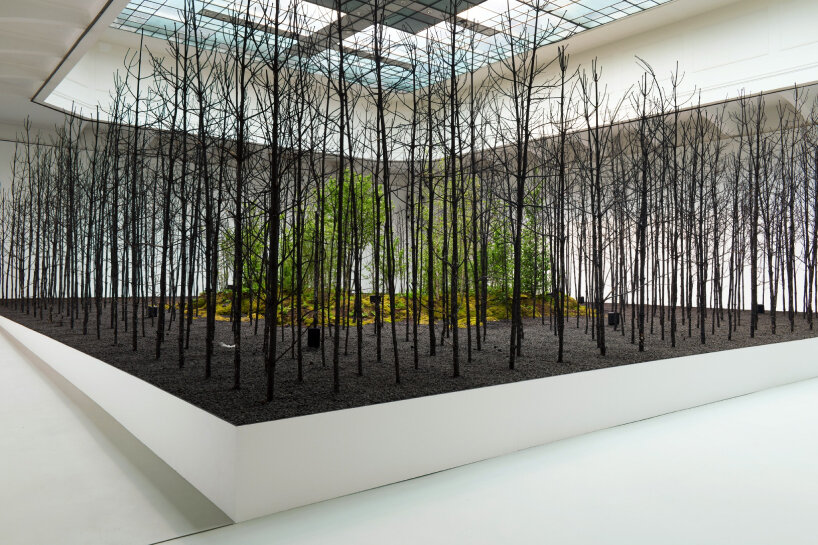
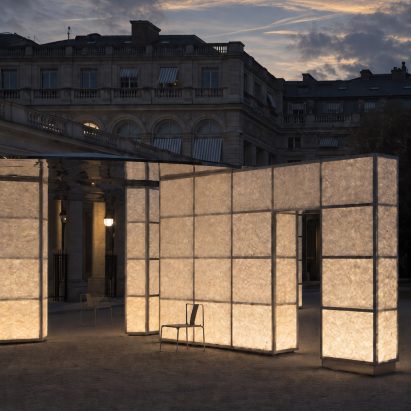
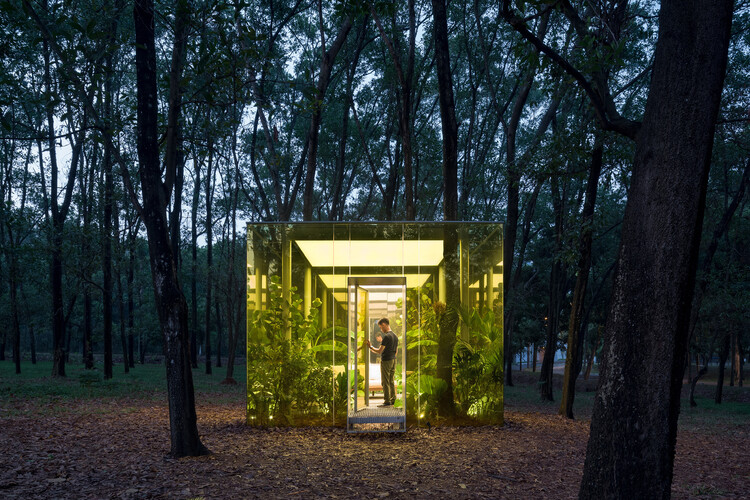
Invocation for Hope, MAK, Vienna, 2021 | all images courtesy of Superflux, photo by Stephen Lux
experiential futures include man-made environments
The design studio takes the step from a sensorial and emotional spin first before the intellectual one. Across fifteen years of work, the team already knows that information alone can’t move or compel people. The science of the climate crisis has been available and accurate for decades, and the data on inequality, on ecological collapse, and on the failures of existing architecture are available to read. Yet, the gap between knowing and acting stands as one of the problems of the present time. Superflux’s working hypothesis is to bridge that gap, the one that lacks this experienced sense of what a different future would actually be like to live in.
The design studio builds what they call experiential futures, which are a series of manmade environments or a specific vision of the future made tangible using material, sound, smell, image, and spatial sequence. The team’s work begins with research, inlcuding scientific literature, policy documents, ethnographic fieldwork, horizon scanning, and even conversations with specialists across disciplines that rarely talk to each other. From that research, the studio extracts a possibility, a version of the future that is grounded in current trajectories but extended into a space, an imagined zone, that doesn’t exist yet. Then, from here, they build it.
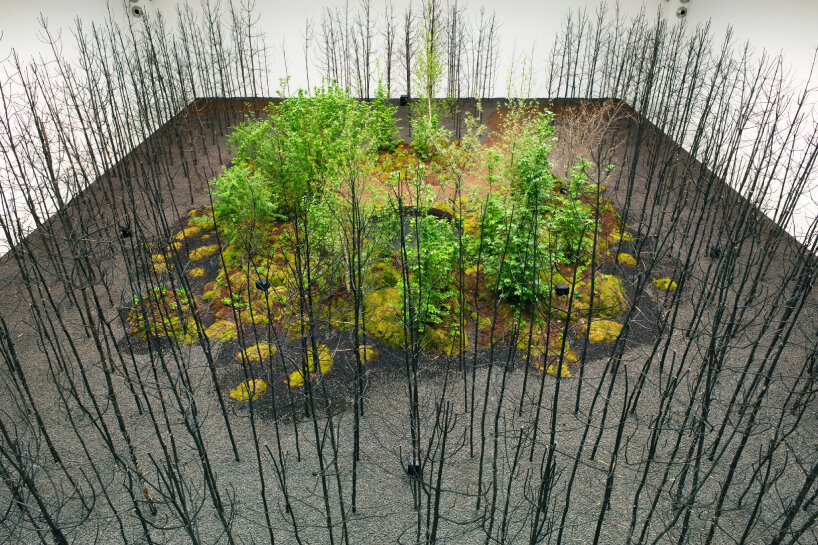
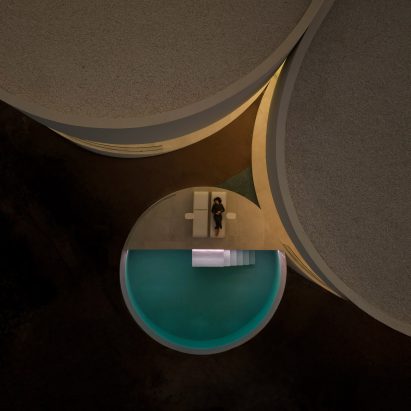
Invocation for Hope was an installation at the Museum of Applied Arts (MAK), Vienna | photo by Stephan Lux
Viewers participate in the installations and multimedia works
These earned data translate into multimedia ideas that drive Superflux’s work, from the Action Speaks Summit during New York Climate Week to the SAFE exhibition at Somerset House, from The Quiet Enchanting frieze on the Strand to the burned pine forest of Invocation for Hope in Vienna. Each project uses a different material and a different scale, but all of them operate on the same underlying principle.
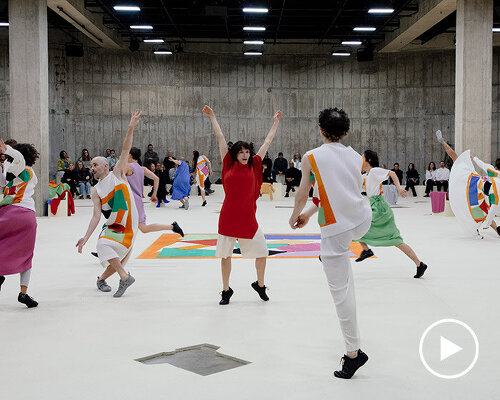
Their installations include participation, whether that is a question written on a tag and attached to a structure, an open survey, a microphone, or a threshold that the visitor chooses to cross. This is deliberate because in their works, a future one observes remains someone else’s future, but a future where participants act inside, even in the controlled context of an exhibition, unveils the risks at stake. The studio’s interest is within that moment of transfer, the point at which a person moves from spectator to participant, from someone who receives a vision of the future to someone who begins to understand and see themselves as a maker of it.
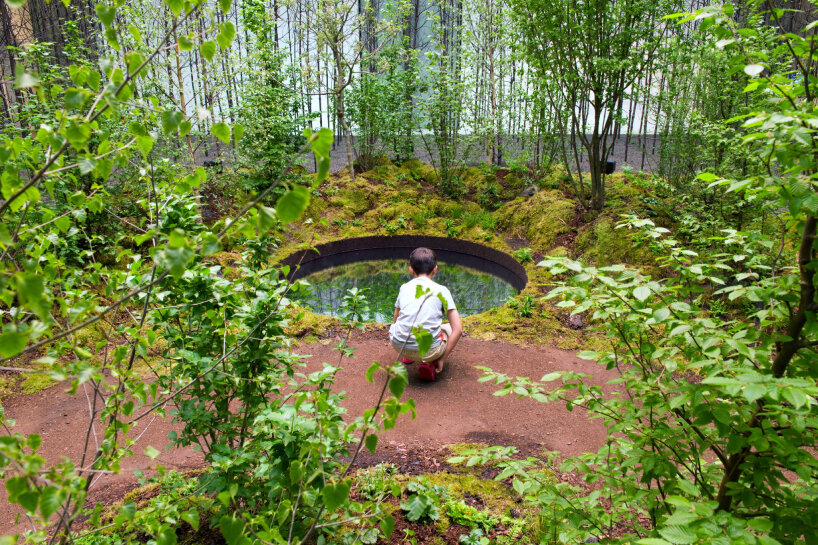
view inside Invocation for Hope, MAK, Vienna, 2021 | photo by Stephan Lux
Anab Jain and Jon Ardern describe their position as one of creative foresight, which compels them to mix fantasy and analysis. This is why the studio’s work pairs the speculative with the concrete. The imagined future is never presented in isolation but arrives with evidence: the organizations, the researchers, and the communities. They’re already moving, and the gap between now and the imagined future becomes, in this framing, a distance that has already started to be crossed.
Speculative design, in Superflux’s hands, is not escapism. It works by making a possible future feel and look real enough that people actually start collectively building toward it before it exists. Through their installations, multimedia works, and sculptural forms, the kind of future that is first imagined and speculated becomes grounded, evident, and open to imagination. People can see it, operate in it, then help build it. That combination is, in the end, what the method is for building a safer and more critical. It isn’t a destination but a way of working.
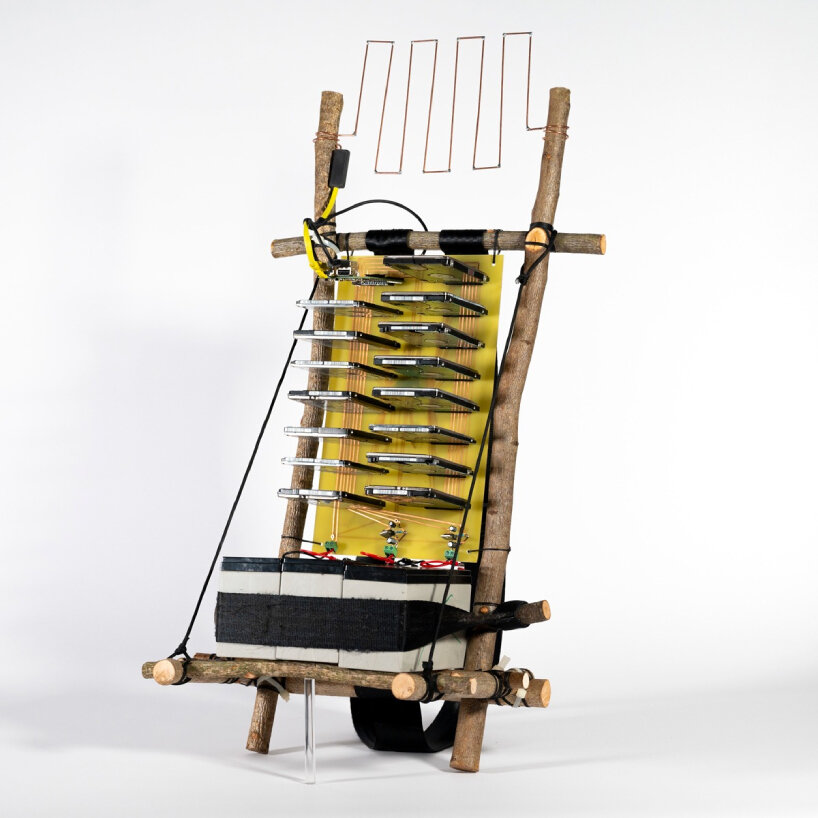
Server Pack Frame, a nomadic storage device for transporting and sharing data
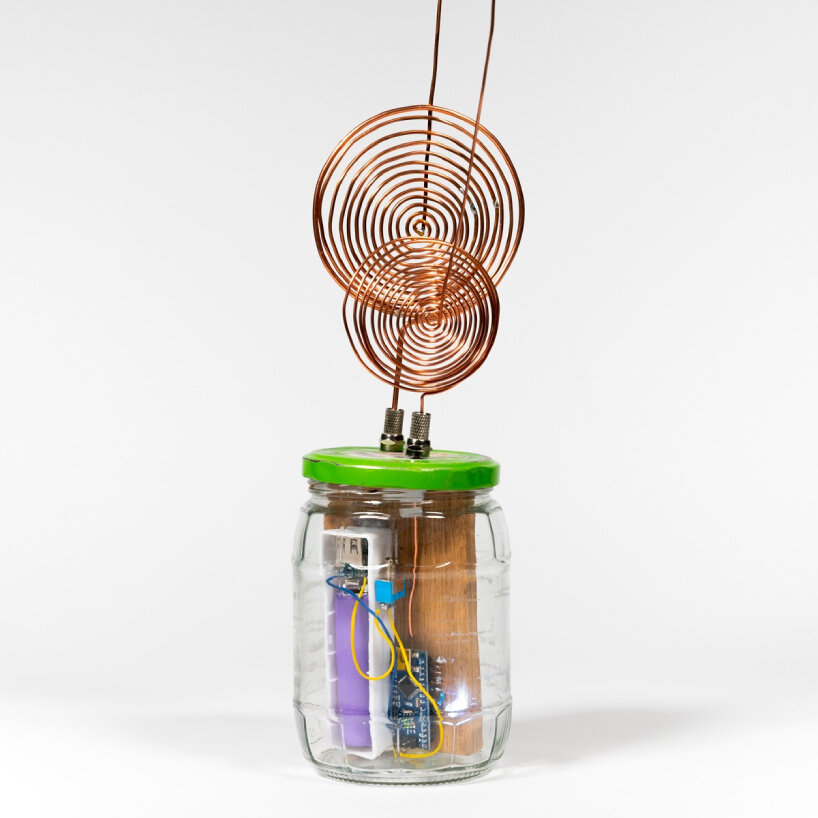
Sensors, a series of hyper-local, mesh network sensing nodes constructed using readily available materials
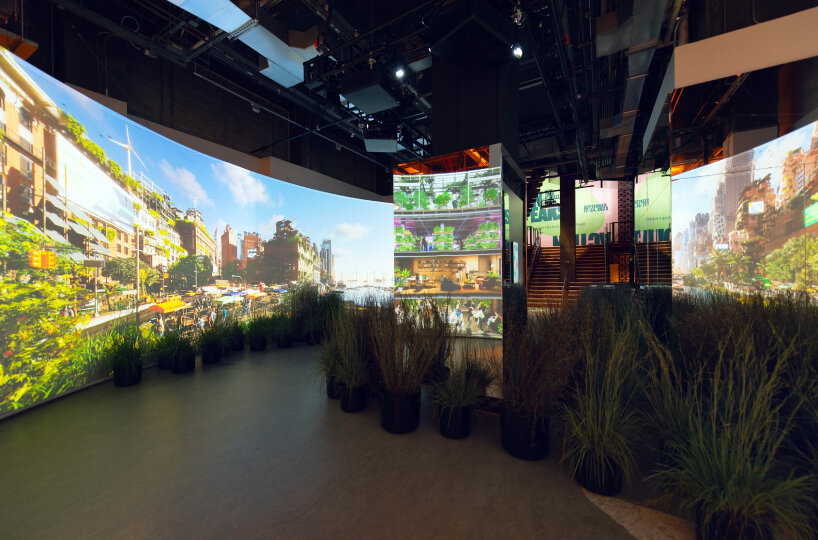
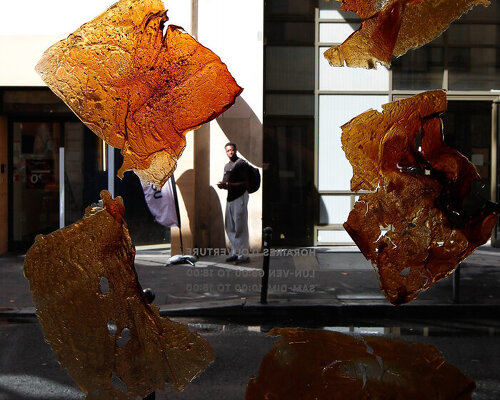
view of Action Speaks Summit, an immersive space to see, touch, hear, smell, and experience actionable hope
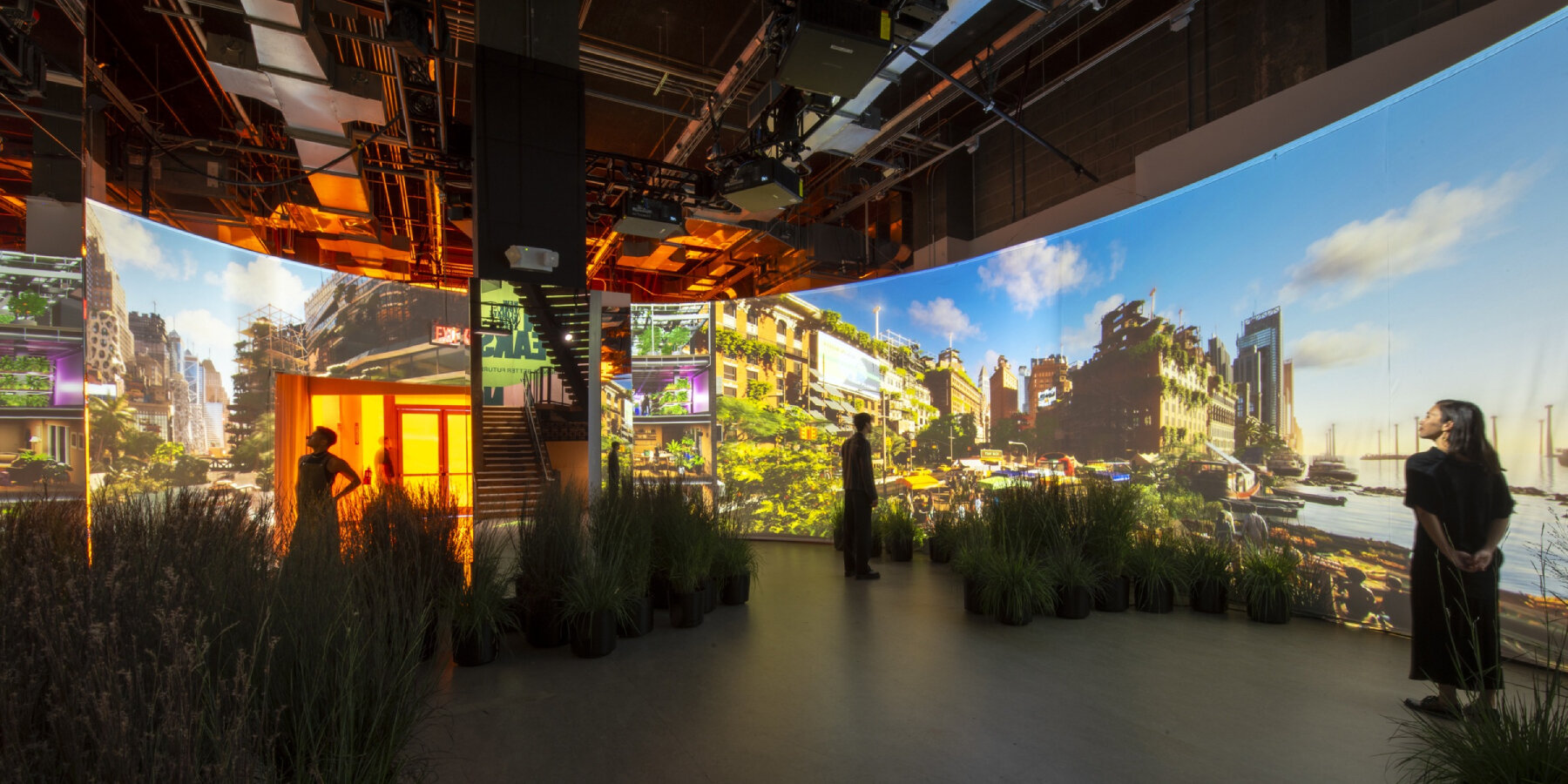
Action Speaks Summit took place during New York Climate Week 2023
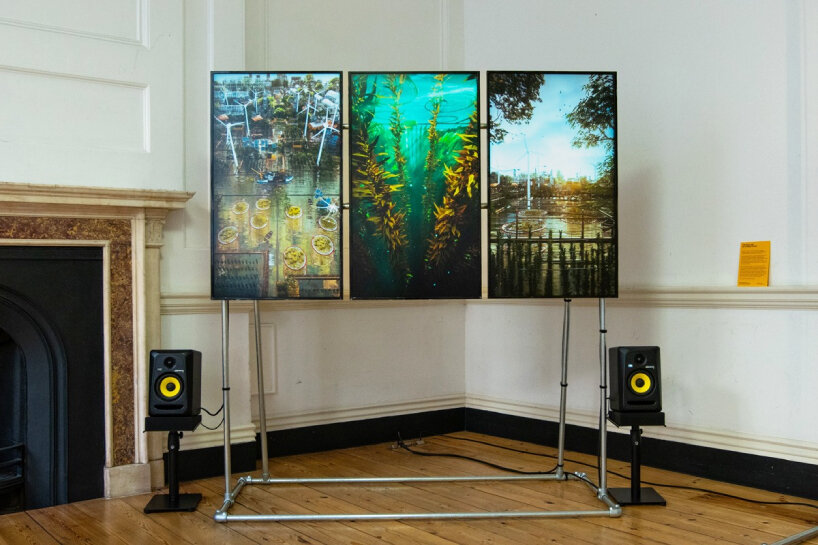
SAFE is a public exhibition at Somerset House, London, that featured 10 speculative futures’ projects
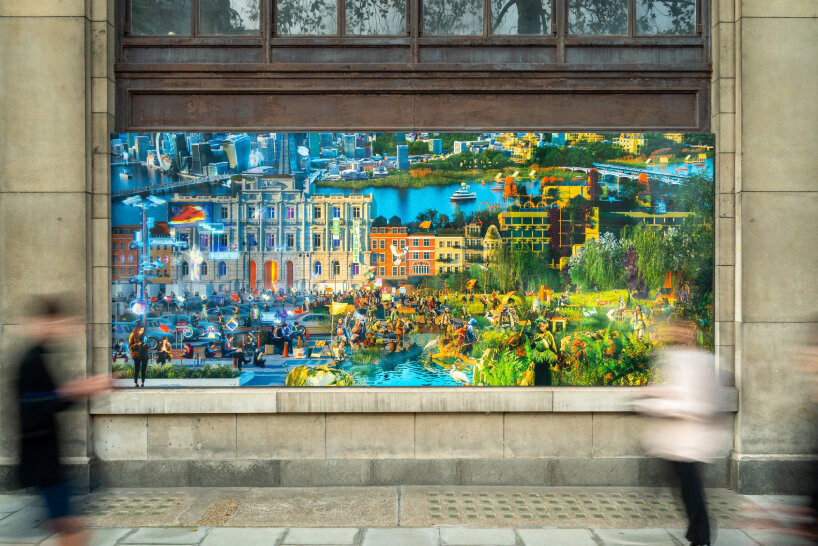
The Quiet Enchanting is an installation of digital screens and printed artworks on climate crisis
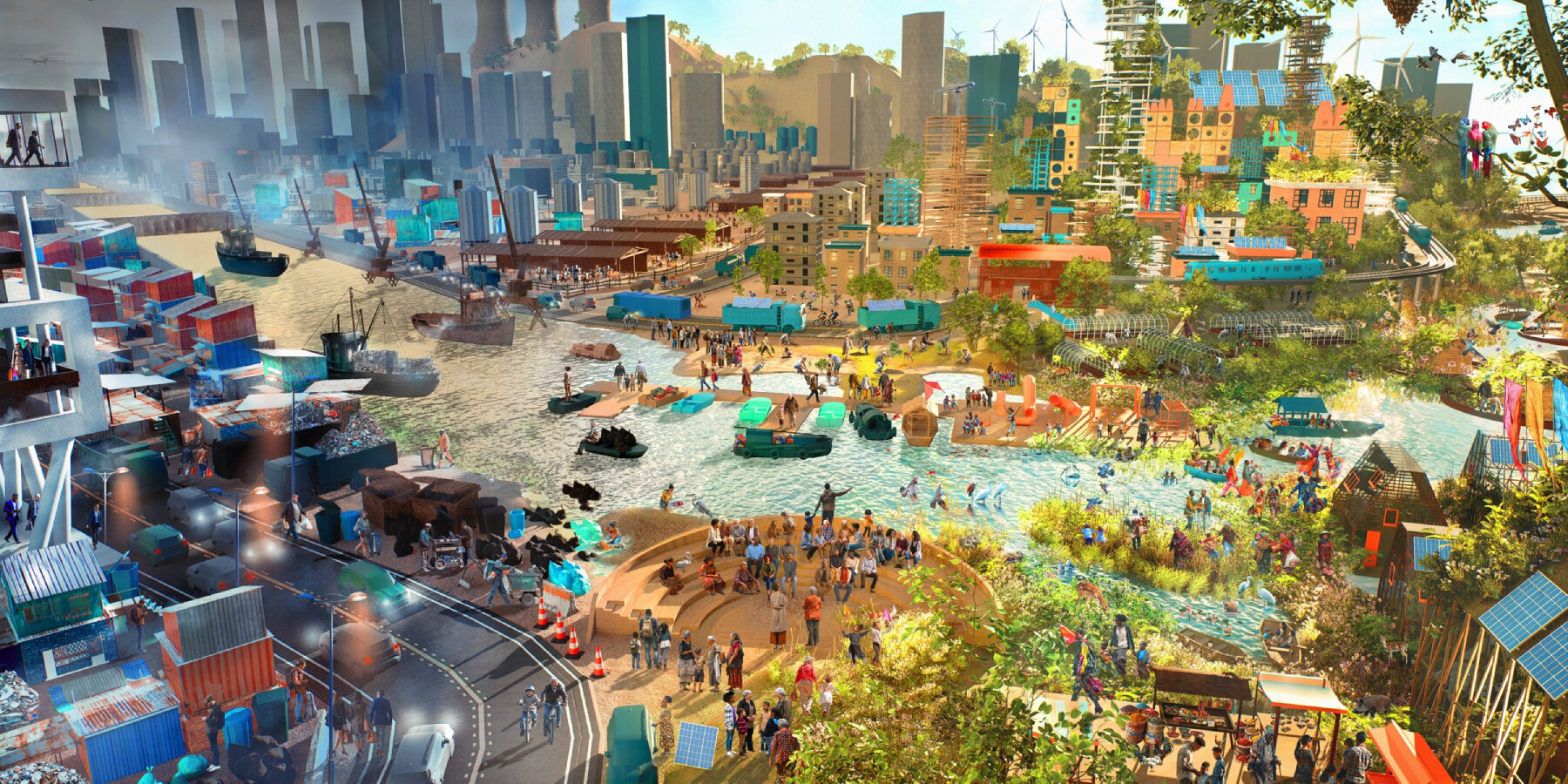
Superflux designed a digital triptych artwork to accompany their landmark report ‘A just World on a Safe Planet’
project info:
studio: Superflux | @superfluxstudio
The post critical futures: how superflux draws upon speculative designs to transform our present appeared first on designboom | architecture & design magazine.