



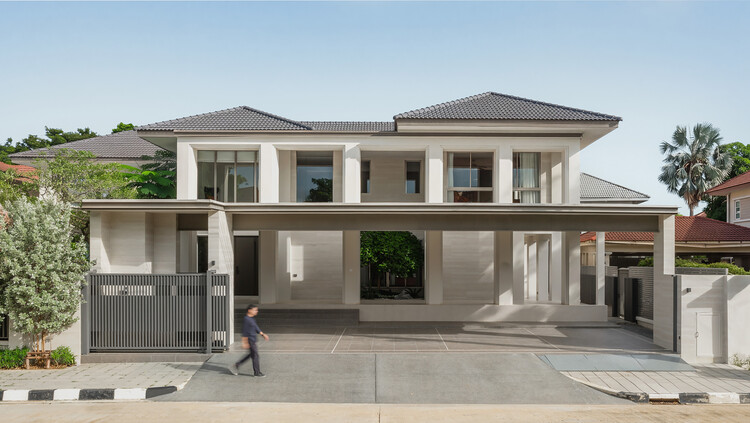

radical softness and the quiet frequencies of soft world making


Over a decade ago, I encountered the work of poet, essayist, and artist Lora Mathis, whose photographic series spelled out poignant phrases in letter beads over vintage floral imagery. For Mathis, ‘radical softness’ was a way to recognize the profound power of emotional vulnerability, and the ways deep feeling might combat the rigid friction of a heteropatriarchal capitalist system. While Mathis has since reflected on the complexities of this concept, rightly acknowledging how softness can be coopted or wielded as a shield of privilege, I often find myself returning to this term, wondering how it might translate in today’s context and within the contemporary disciplines we document at designboom.
The opening of the 2026 Venice Art Biennale this week offers a timely moment to delve deeper and explore the parallels between radical softness and the 61st International Art Exhibition’s theme, In Minor Keys. Conceived by the late Koyo Kouoh, the exhibition invites visitors to ‘shift to a slower gear and tune in to the frequencies of the minor keys.’ Drawing its inspiration from musical structures, the theme uses the minor key as a metaphor to reject the aggressive bombast of the major key in favor of ‘the quiet tones, the lower frequencies, the hums, the consolations of poetry, all portals of improvisation to the elsewhere and the otherwise.’
Ultimately, it asks for a deeper kind of listening, one that relies on emotional resonance to open portals toward alternative ways of being.‘Because, though often lost in the anxious cacophony of the present chaos raging through the world, the music continues,’ Kouoh writes. ‘The songs of those producing beauty in spite of tragedy, the tunes of the fugitives recovering from the ruins, the harmonies of those repairing wounds and worlds.’
At its core, radical softness suggests that true radicality resides not in grand, staged spectacles, but in the quiet courage to embrace the awkward, imperfect spaces between us. By actively refusing the constant pull toward drama and conflict, it asks us to use vulnerability as our starting point, taking the time to dwell in those complex, unscripted encounters that gently dismantle the world’s rigid boundaries.
As global systems fracture under the weight of constant crisis and shifting sociopolitical realities, choosing the quiet labor of deep listening over hardened defense offers a crucial strategy for sustaining our shared humanity.
‘In our myths, in our songs, that’s where the seeds are. It is not possible to constantly hone on the crisis. You have to have the love and you have to have the magic, that’s also life.’
— Toni Morrison, 1977, from the introduction to La Biennale’s In Minor Keys
With designboom’s latest chapter, we find ourselves somewhere between radical softness and the minor keys, asking: What if the future wasn’t louder, faster, or bigger, but softer, slower, and more attuned?
What if it unfolded, instead, through a meticulous attention to emotion, ecology, intimacy, and the unseen labor of repair? This chapter becomes an invitation to step away from the relentless churn of aggressive optimization and performative innovation. We are turning our editorial lens toward practices of soft world-making, positioning creativity not as a vehicle for grand spectacle, but as a profound exercise in care and collective imagination.
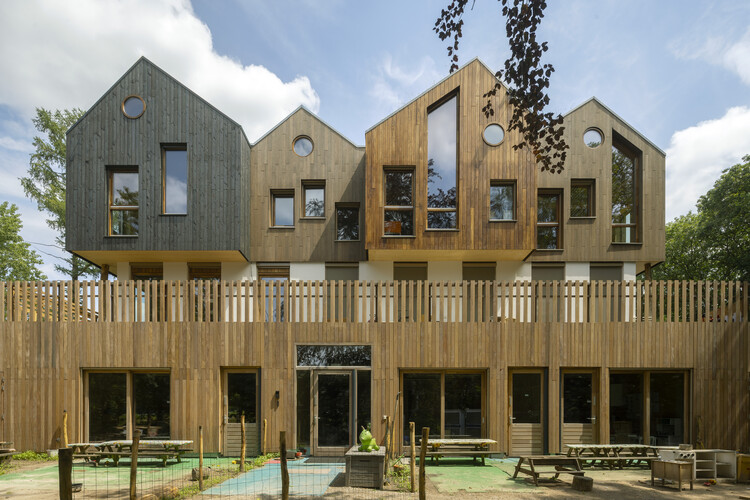
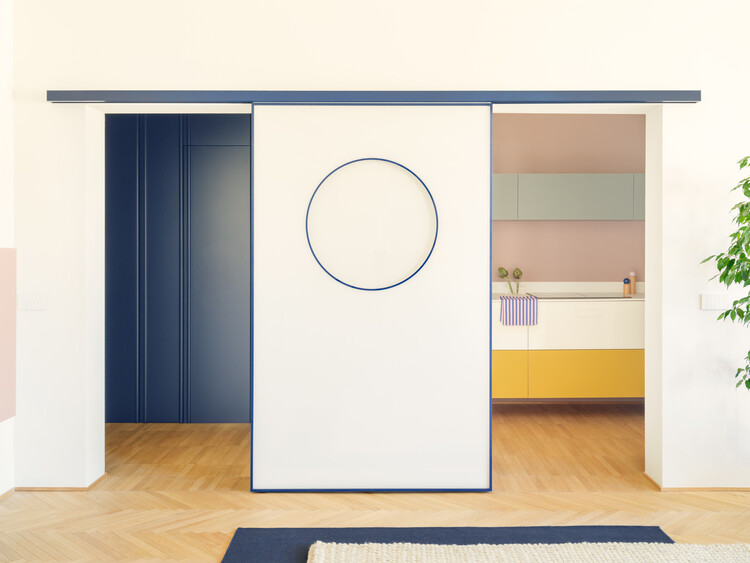
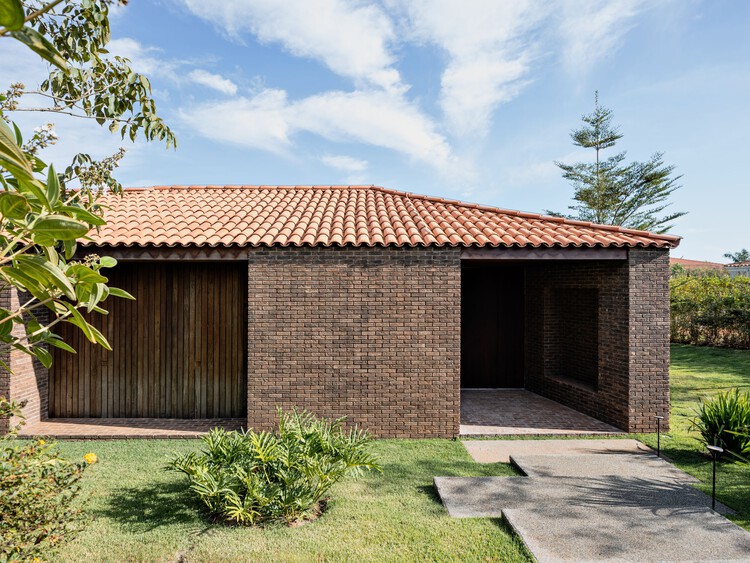
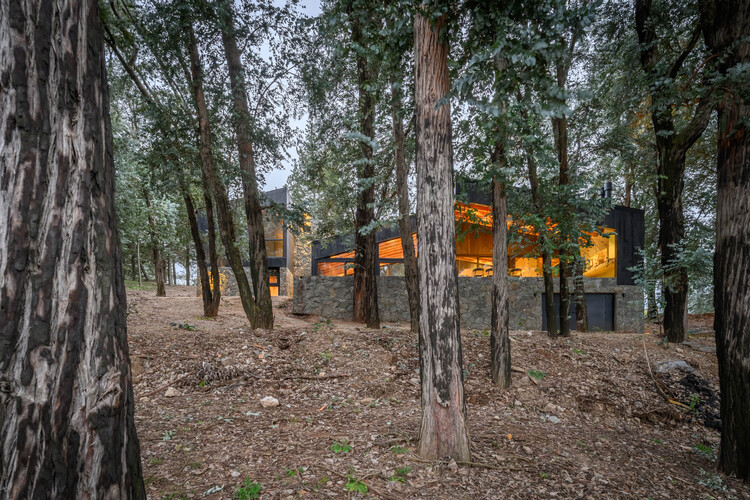
In Radical Softness, we survey the quieter architectures, the humble technologies, the intimate artworks, and the vital social spaces that continue to anchor communities even as formal systems falter. Here, softness does not equate to naive escapism. Instead, it offers a cultivated optimism, a deliberate, active practice anchored in deep listening, relationality, and the shared imagination required to design our way forward.

image © designboom
The post radical softness and the quiet frequencies of soft world making appeared first on designboom | architecture & design magazine.