



françois prost photographs the facade as a machine for manufacturing desire
Building the idea of a night out
A club facade is an image before it is a place.
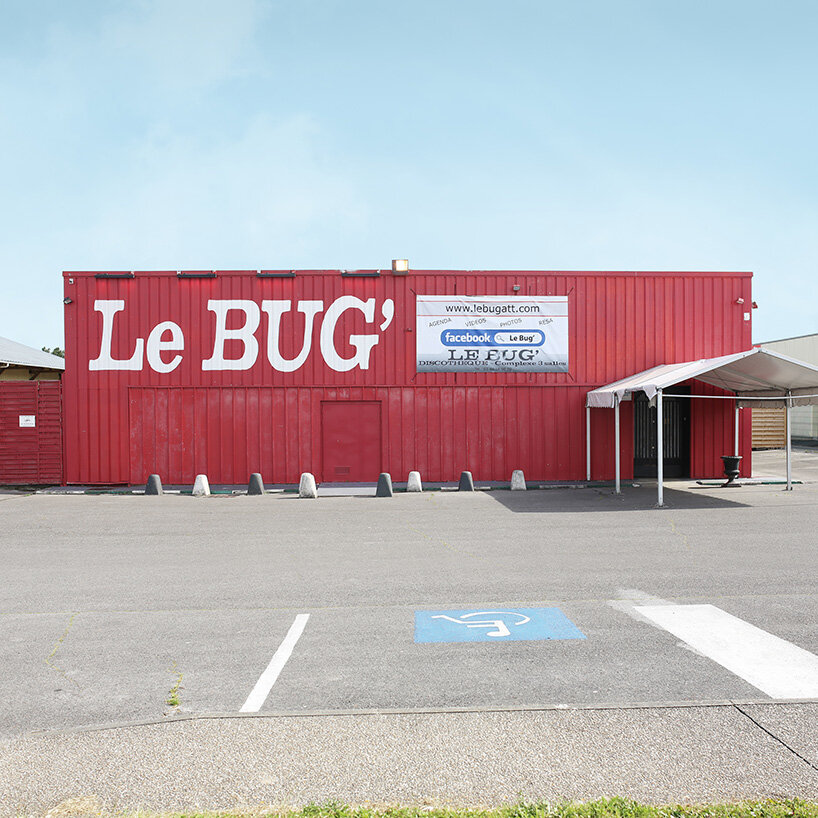
It was probably this idea that led me, more than a decade ago, to start photographing nightclubs. It began in 2011, during a bike ride along a canal in Burgundy. On a small road cutting through the fields, I came across an old farmhouse that had been transformed into a nightclub. A lightbox sign had been screwed above the door, a laser installed on the chimney, and fluorescent stars added around the entrance. On the gravel lay shards of broken glass and torn flyers. The party had just ended. Standing there with my bike under the bright Saturday morning sun, I was struck by the contrast between the frenzy of the night before and the ordinary light of day.
The club was closed. Nothing was happening. There was no music, no crowd, no colored light. Yet the building was still trying to tell me what kind of place it was supposed to be.
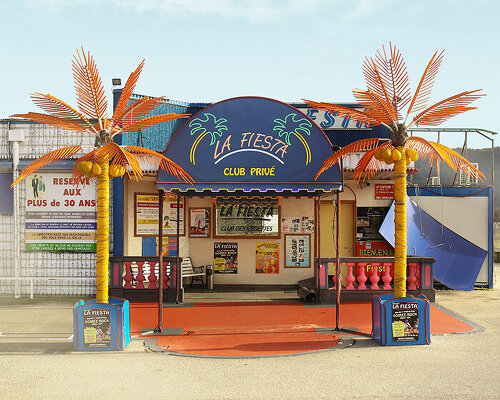
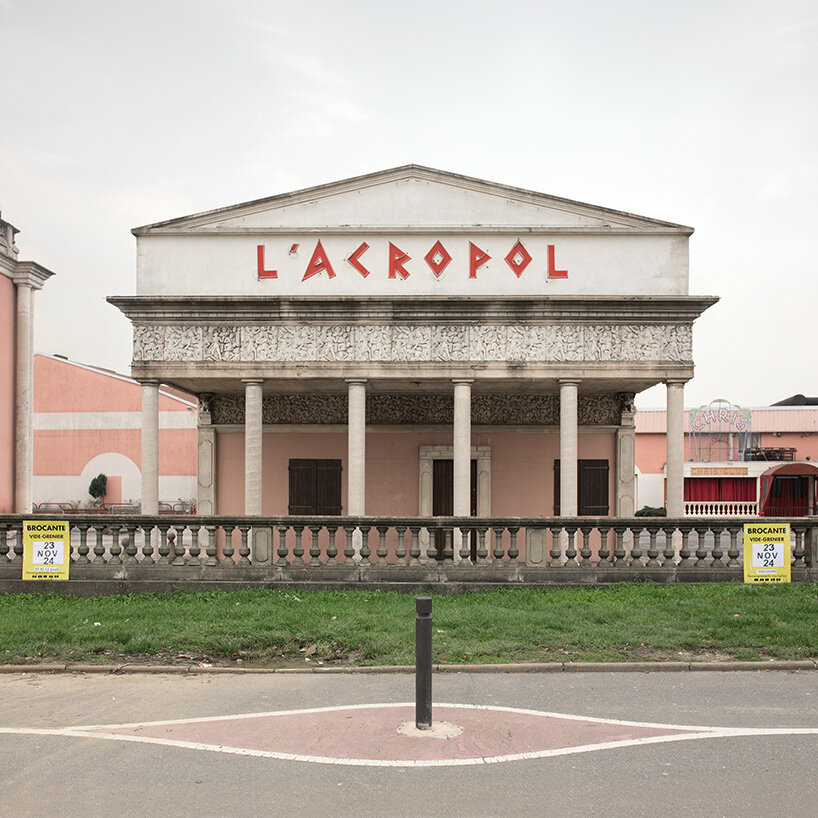
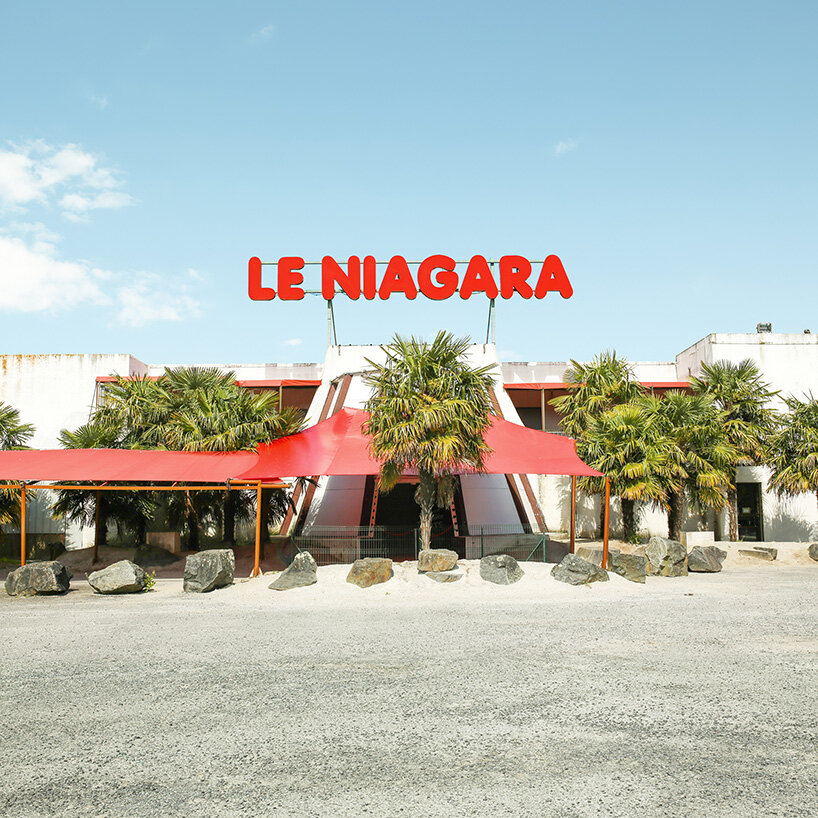
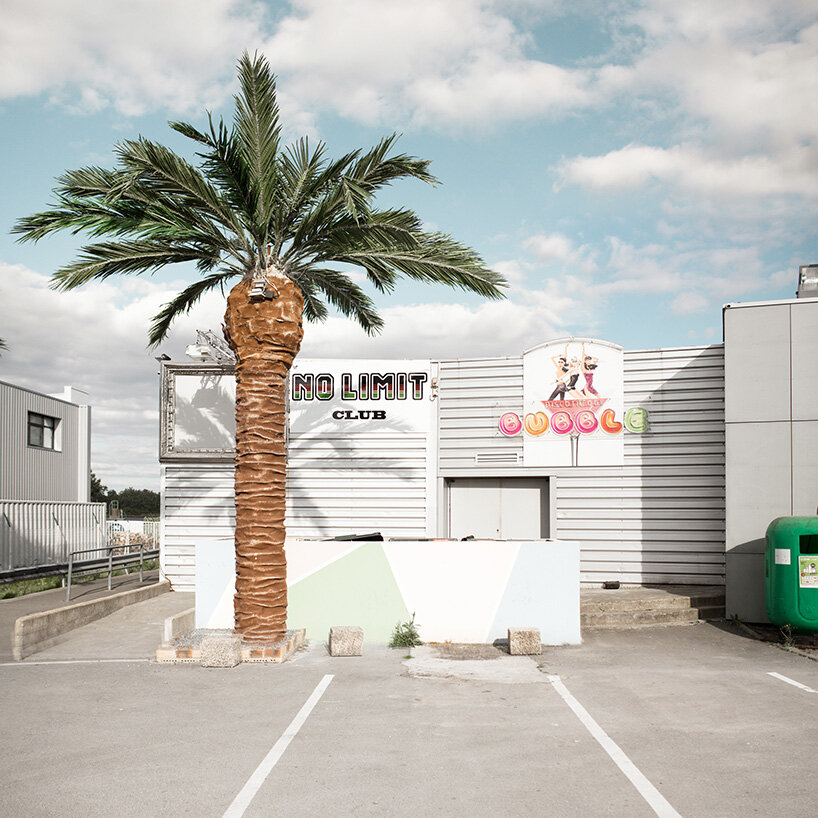
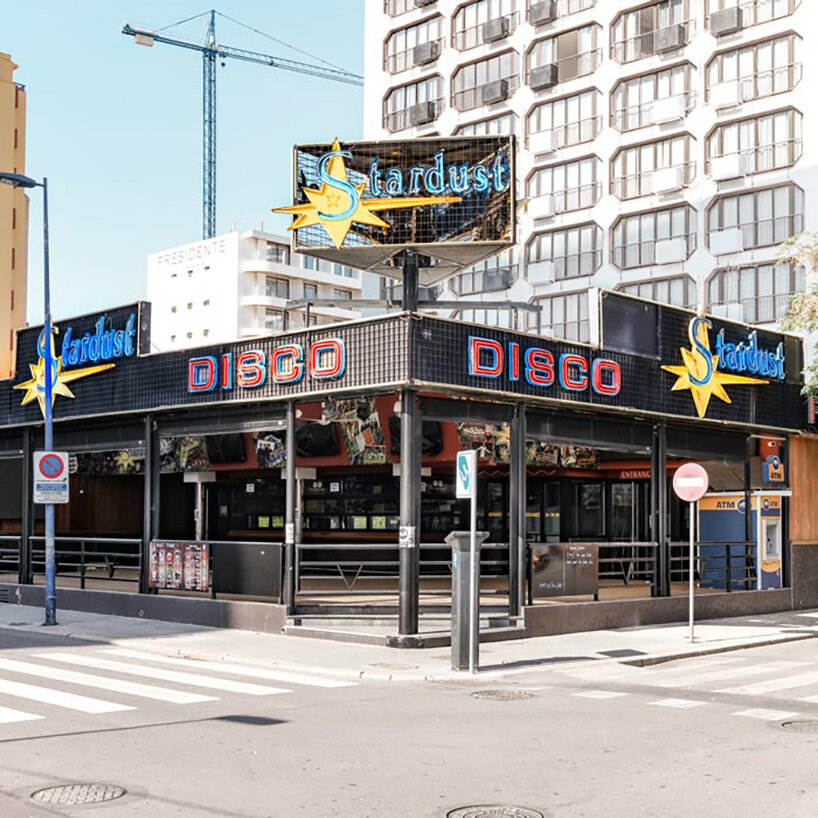
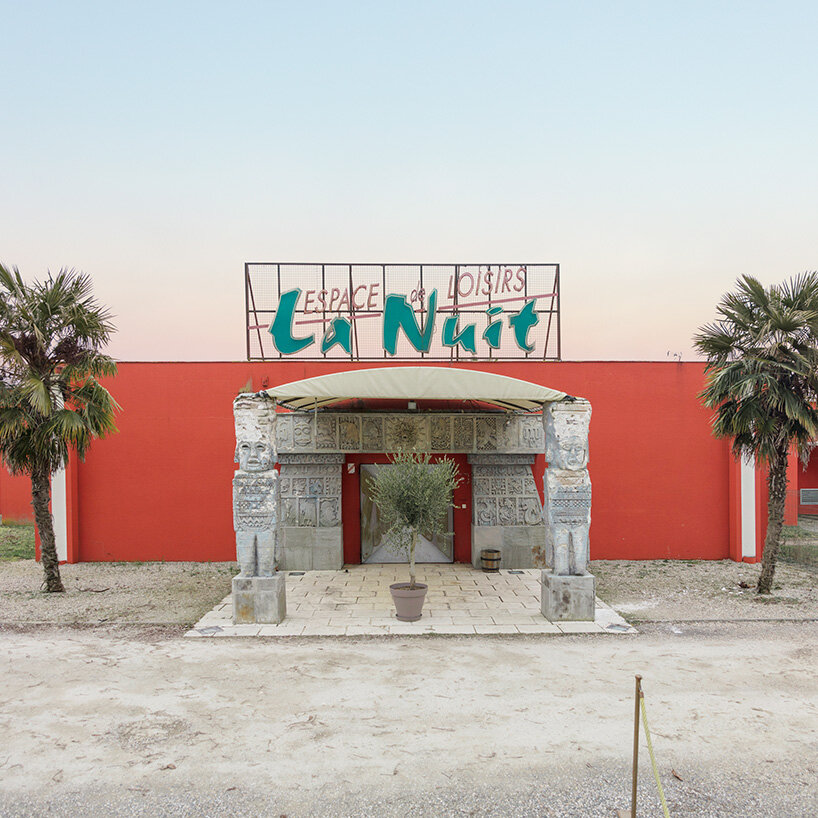
I think this was the beginning of my fascination with these facades. Since then, I have pursued this work across France, Europe, and eventually far beyond. Different cultures and contexts emerged, but I kept encountering something remarkably familiar: buildings trying to transport us somewhere else. A palm tree can suggest the tropics. A column can evoke ancient Greece. Neon can summon Las Vegas. Faux marble can suggest luxury. A few golden letters can make an ordinary building feel prestigious. Even the name of a club can be enough to trigger an image in the mind: Copacabana, Le Mirage, L’Acropole. The facade does not necessarily describe the place behind it. It promises it.
Borrowed images, imagined worlds
This is what interests me in these buildings. They borrow images from elsewhere – from cinema, tourism, advertising, architecture – and assemble them into a kind of popular visual language. Sometimes the result is carefully designed; sometimes it is improvised, almost clumsy. But the intention is usually very clear. The building has to be understood immediately. In that sense, these facades are not so far from advertising. They are large-scale images designed to produce desire. They don’t tell you exactly what will happen inside. They give you an idea of how you might feel there.
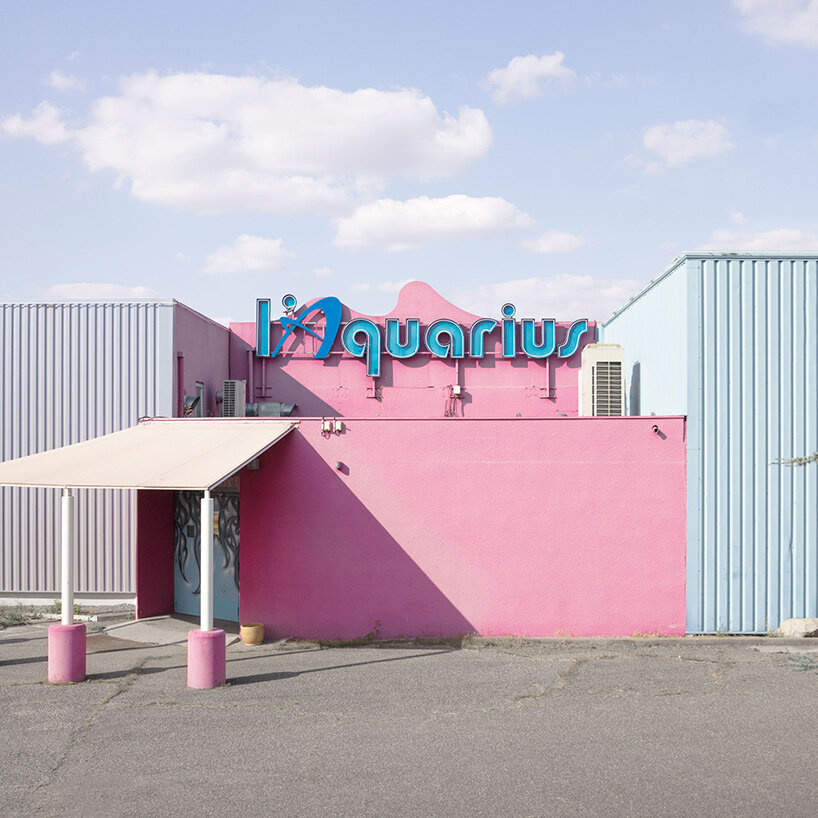
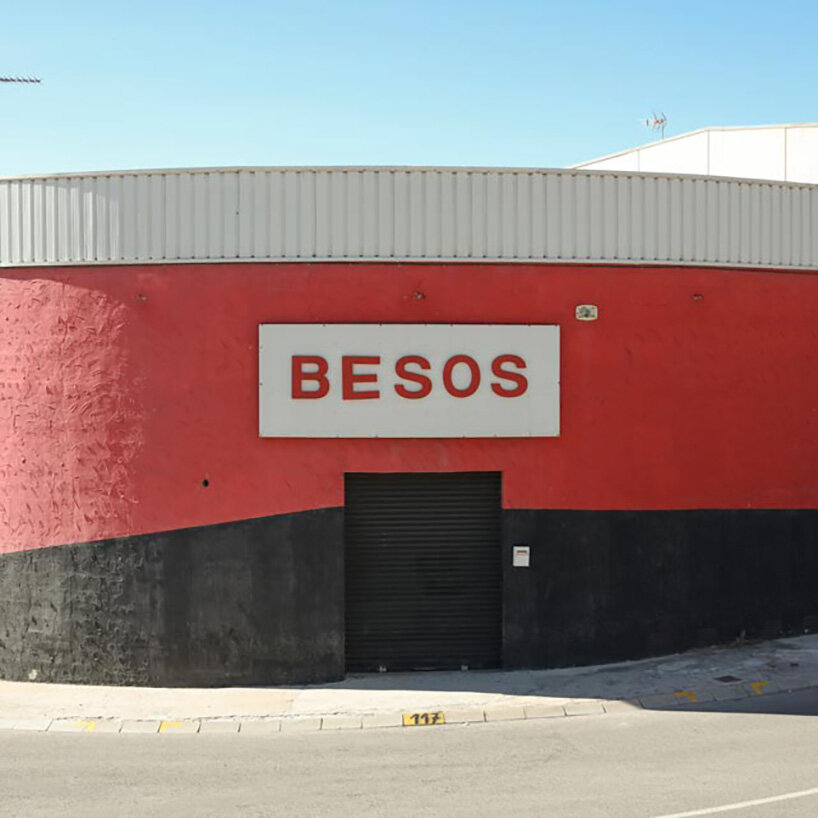
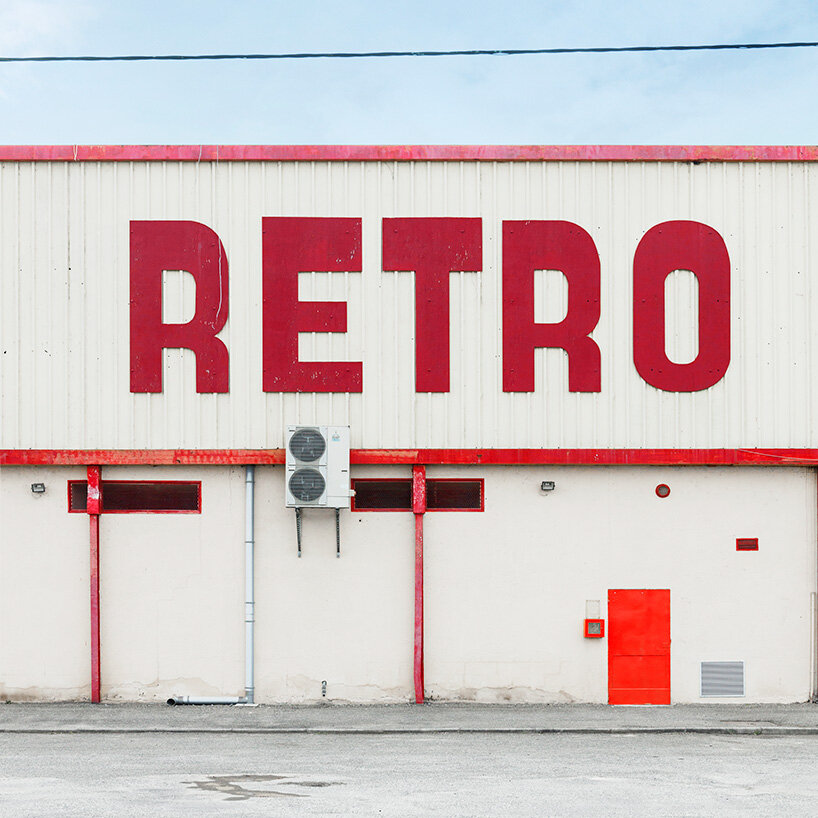
A nightclub in the middle of the French countryside can become a tropical paradise. A building on the outskirts of a Spanish town can pretend to be somewhere in Las Vegas. A club can borrow the architecture of a Greek temple, a palace, a casino or a Miami hotel. For a few hours, these borrowed images create the possibility of another world. Perhaps this is also why I became interested in photographing them during the day. In daylight, the illusion is exposed. The lights are switched off. The music has stopped. The people are gone. What remains is the physical object: the sign, the columns, the painted walls, the fake palm trees, the entrance, sometimes the traces of years of modifications and repairs.
The spectacle has been dismantled, but the machinery that produced it is still there. Photographing these places this way changes their meaning. I am not trying to document nightlife itself. I am interested in what nightlife leaves behind – the architecture of its promise.
Popular fantasies, built in plain sight
There is also something very democratic about these buildings that I find moving. They do not necessarily rely on architects, designers or institutions to construct their visual identity. They use whatever images are available in the collective imagination. A palm tree, a Greek column, a neon sign, a name borrowed from a distant city: these are simple tools, but they are powerful because we already know what they mean.
Their apparent naivety is therefore part of what makes them interesting to me. I don’t see these façades as ridiculous objects or as failed architecture. I see them as records of a popular visual culture – evidence of the way people construct fantasies from the images that surround them.
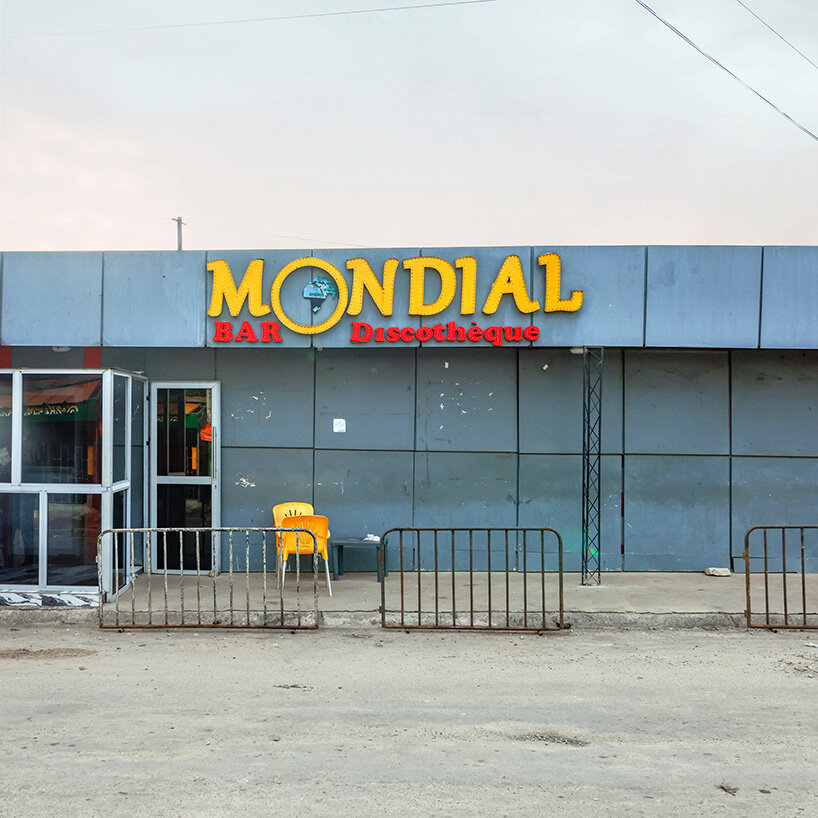
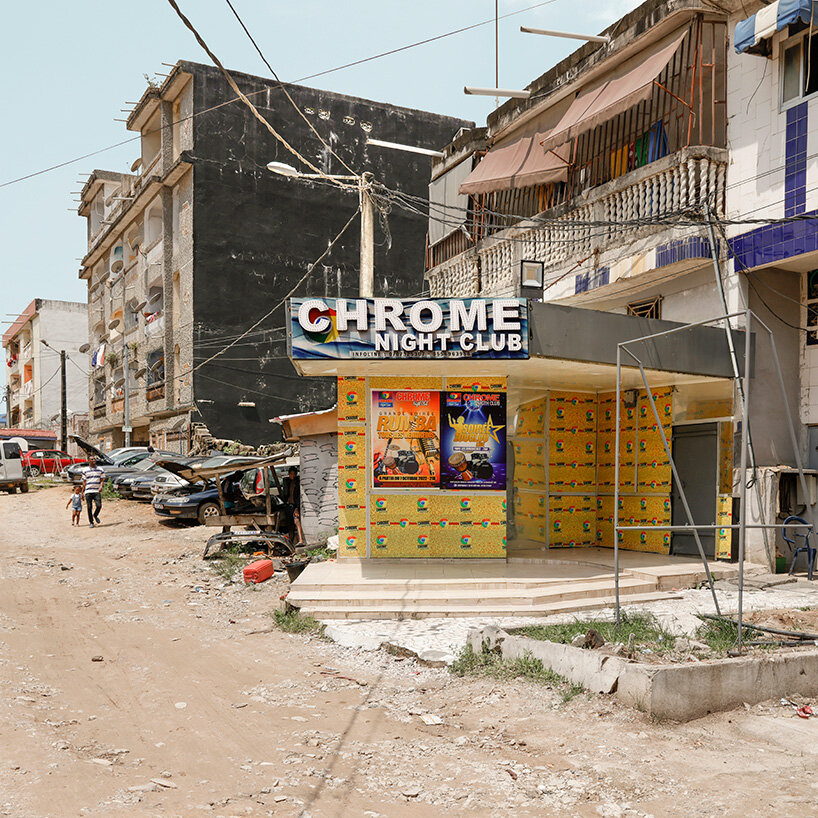
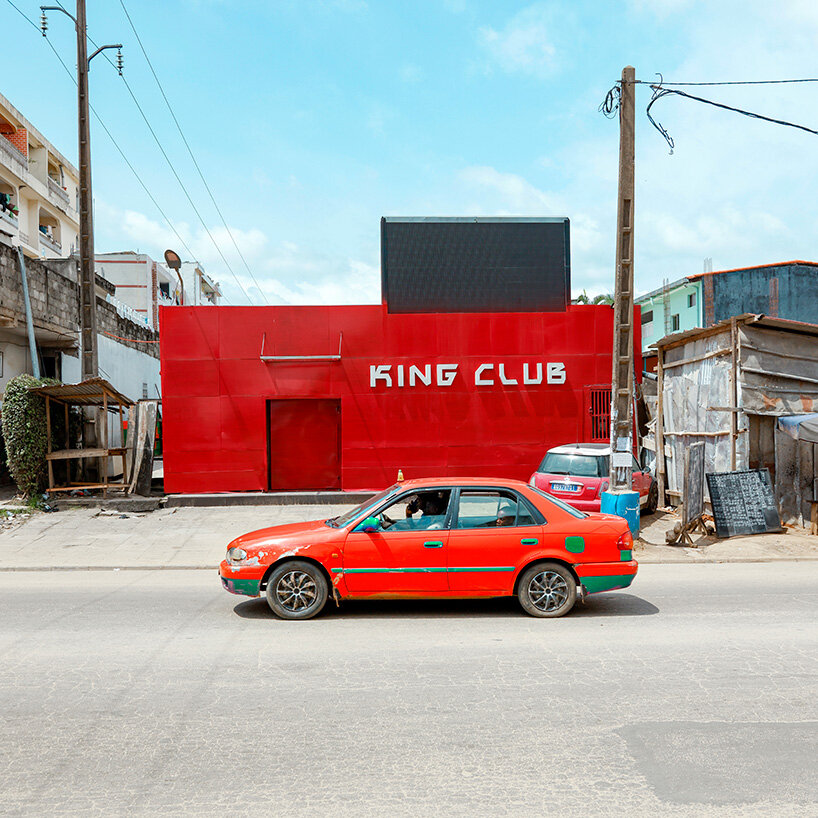
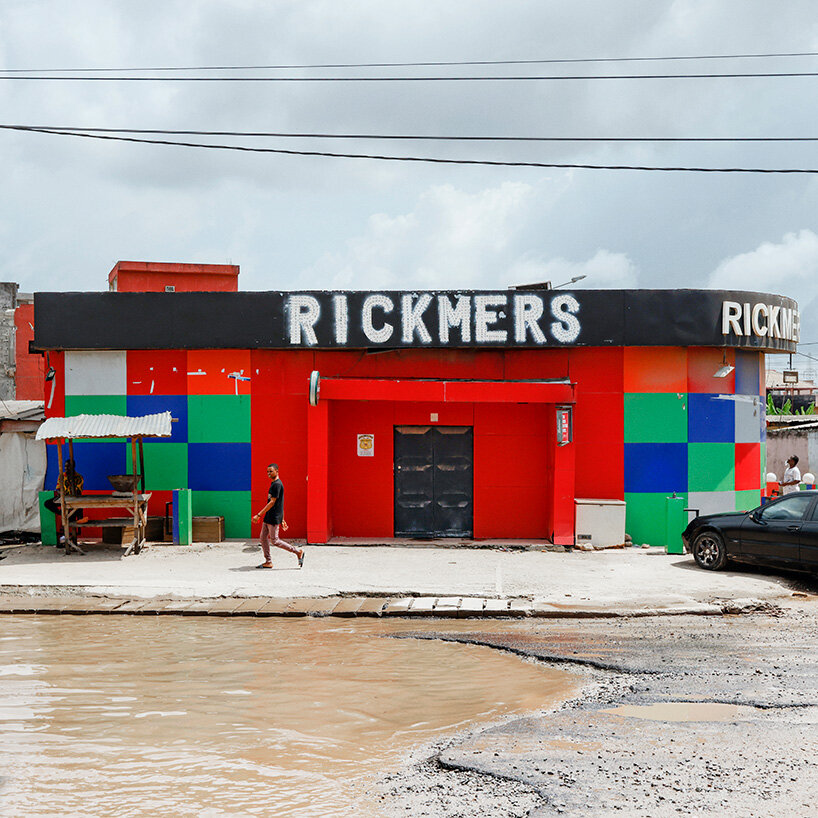
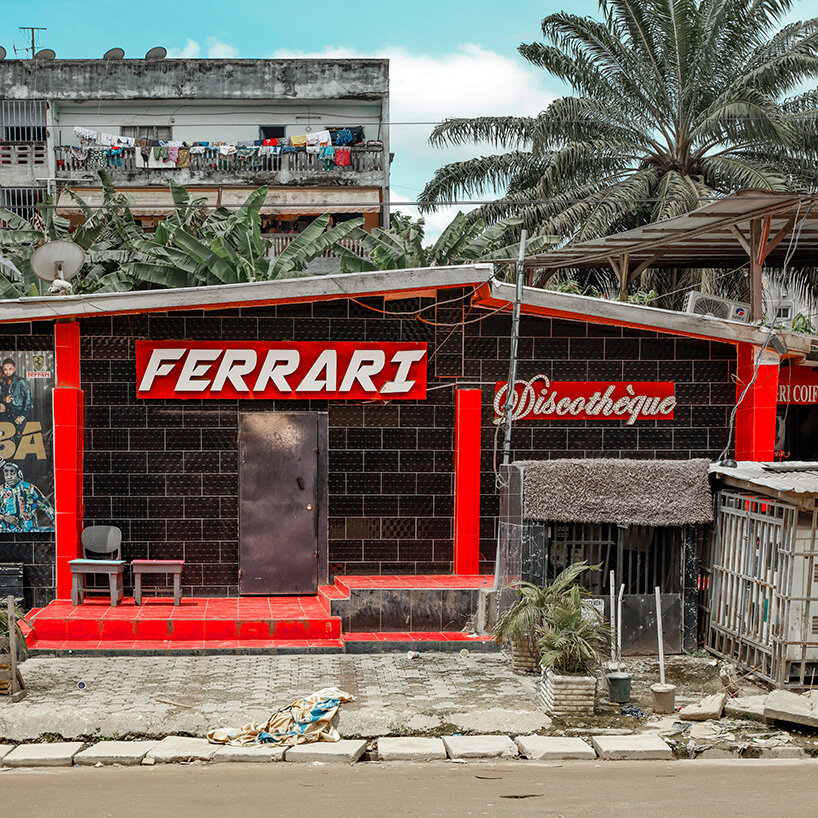
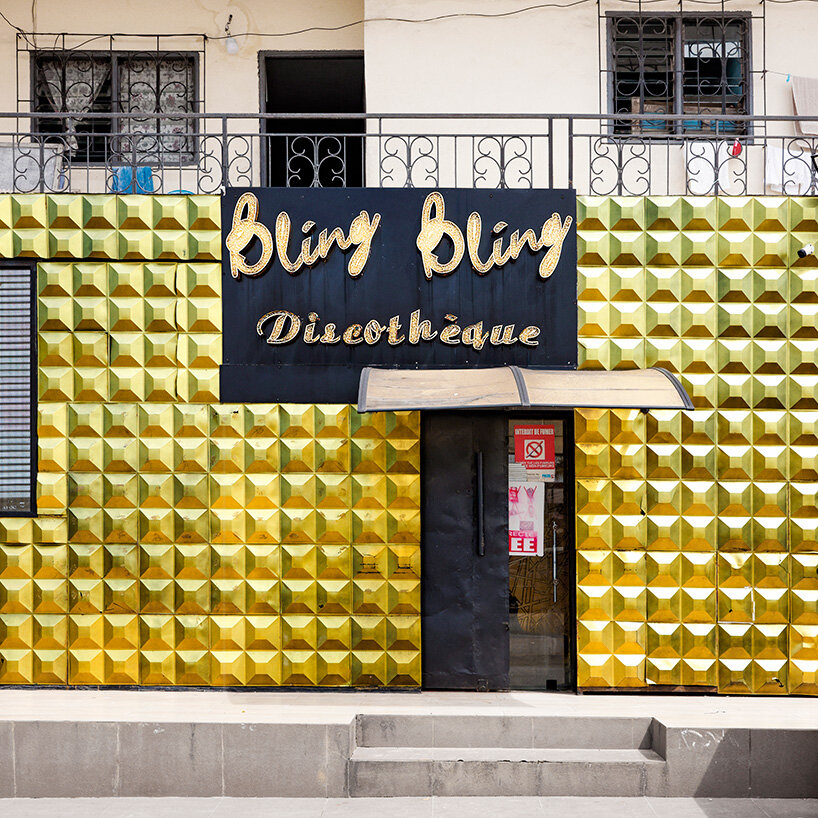
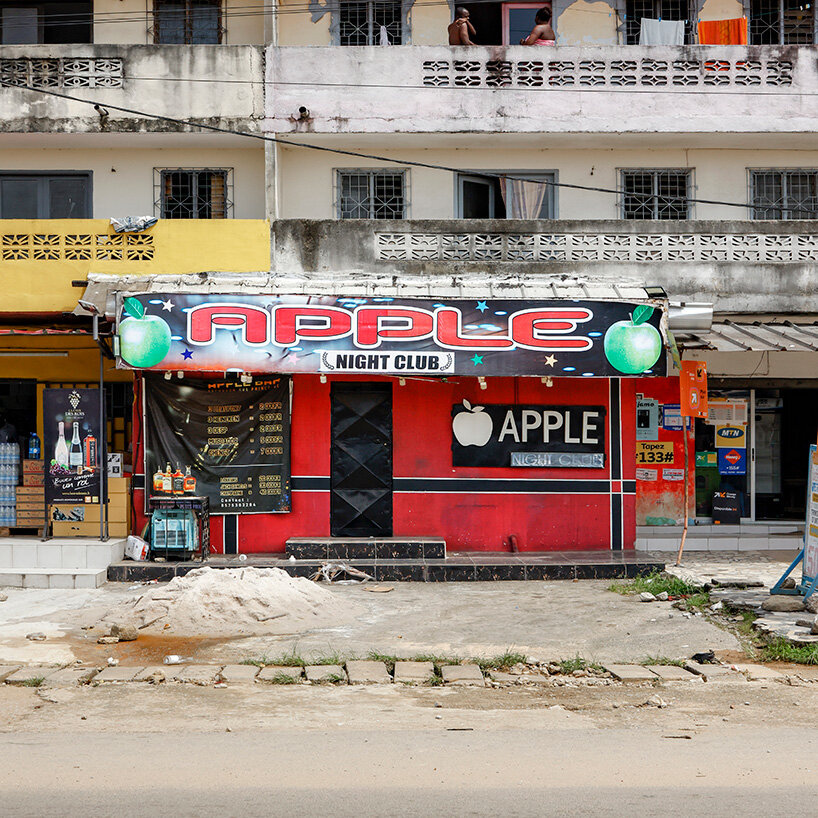
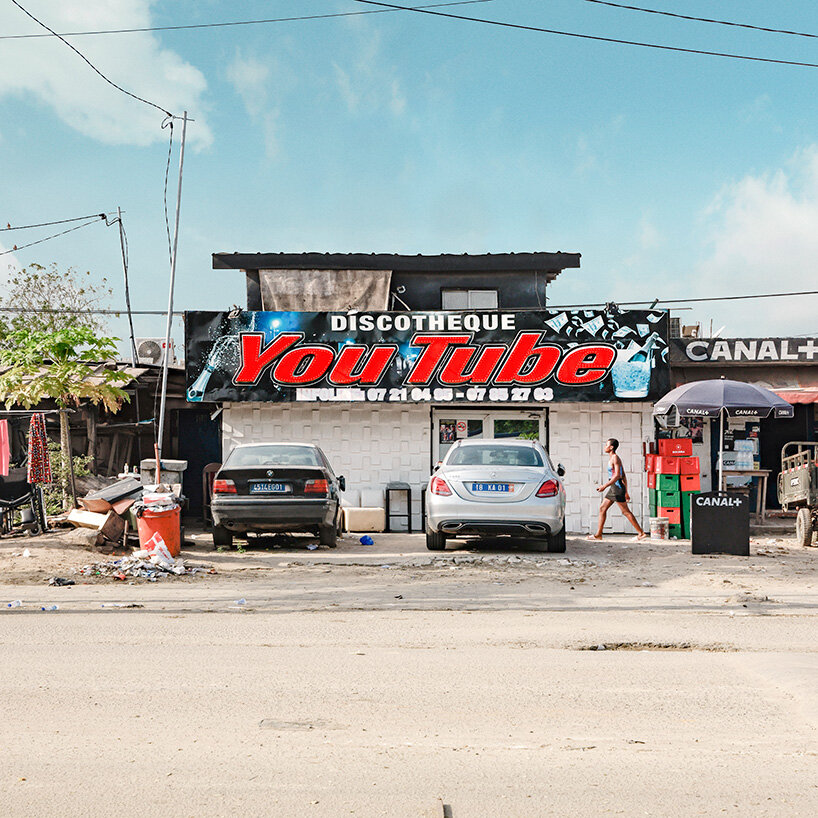
Over the years, this search has gradually led me towards other architectures built around desire: American gentlemen’s clubs, Japanese love hotels, and clubs in Côte d’Ivoire. Their functions and cultural contexts are very different, but the same mechanism keeps appearing. Buildings become images. Images become promises. The strange thing is that these images often become most visible when nobody is using them. In the morning, when the party has disappeared and the building returns to its ordinary surroundings, the facade is left alone with its promises. That is when I like to photograph it most.
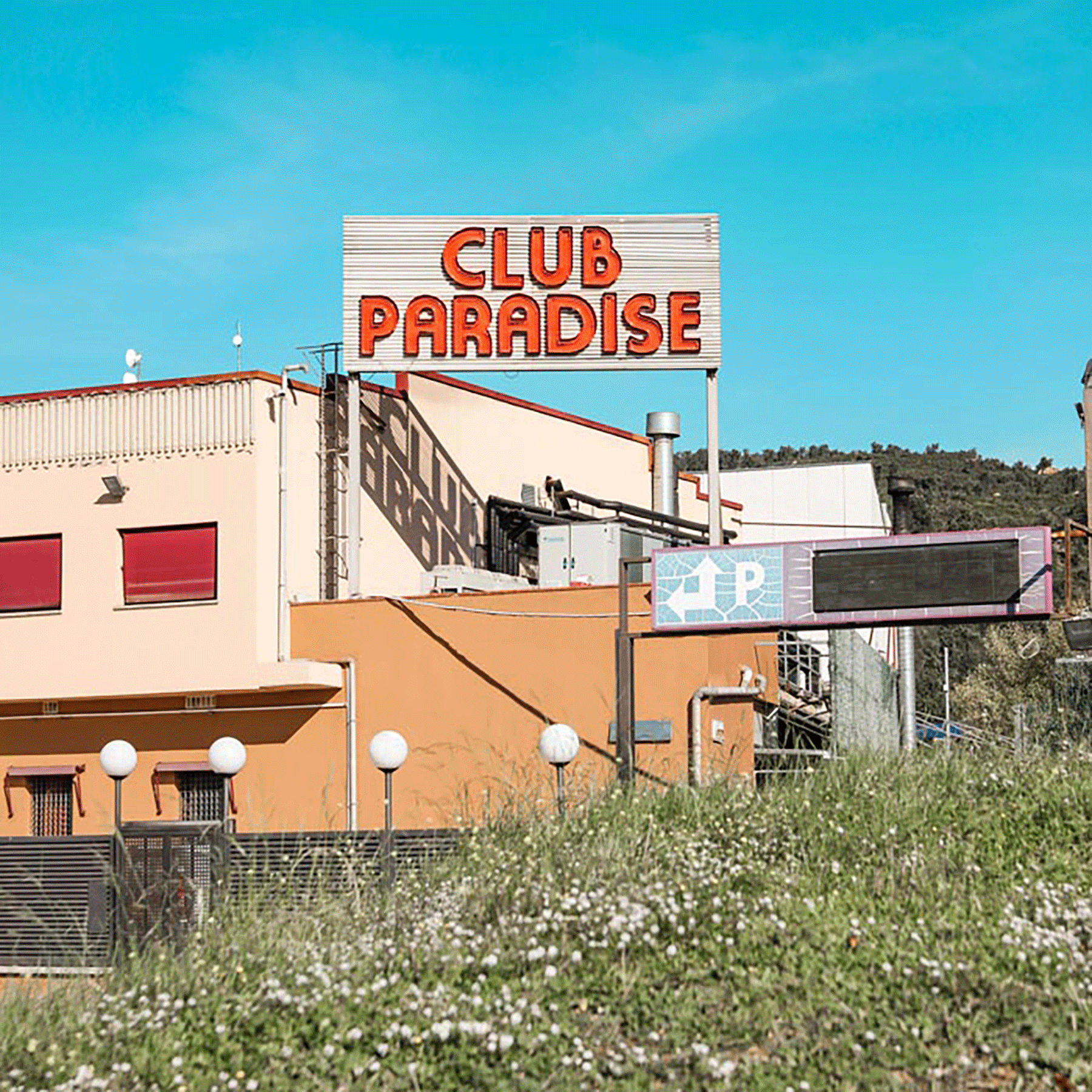
Paradise Club, La Jonquera, Girona province
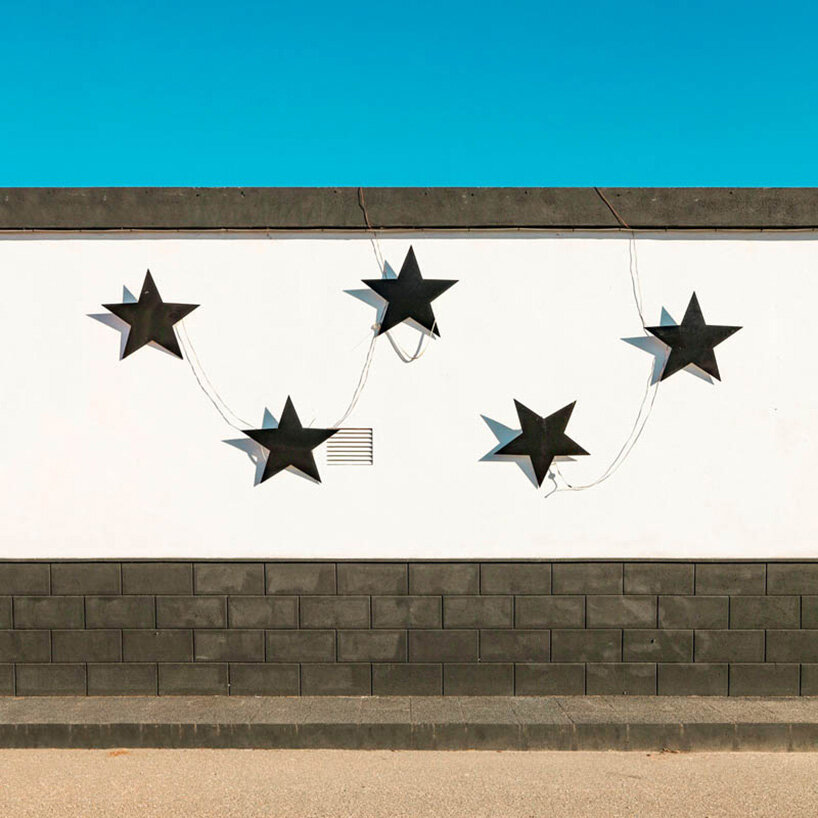
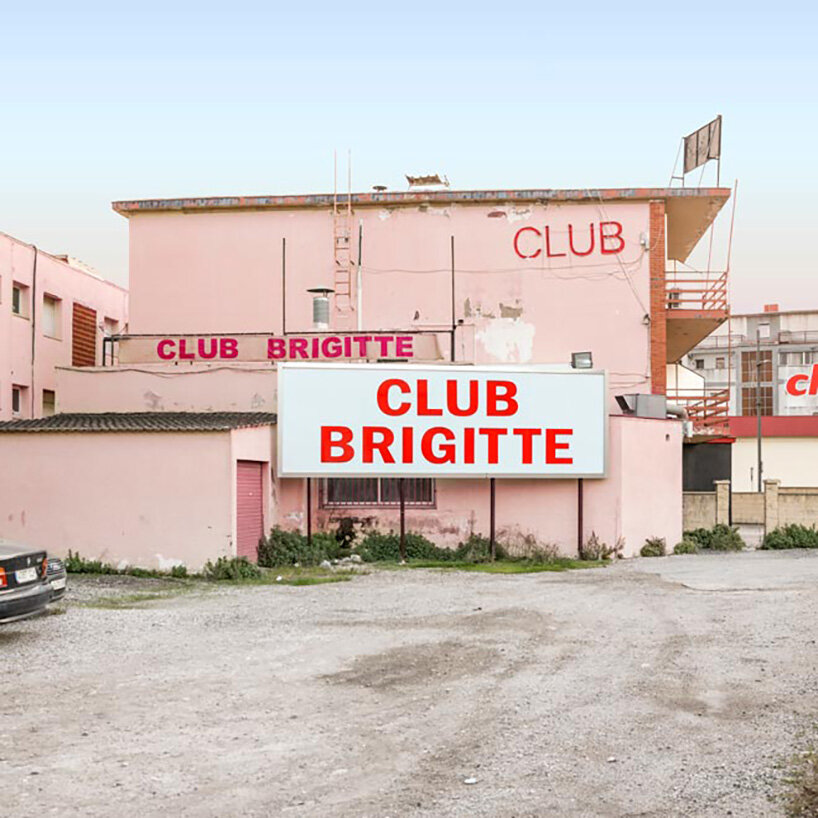
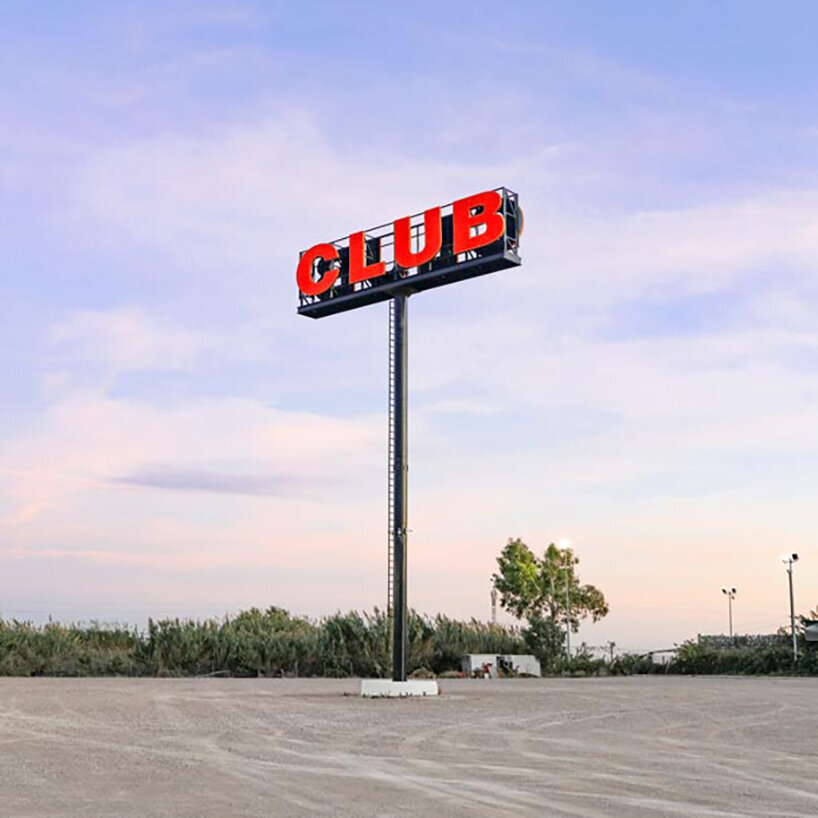
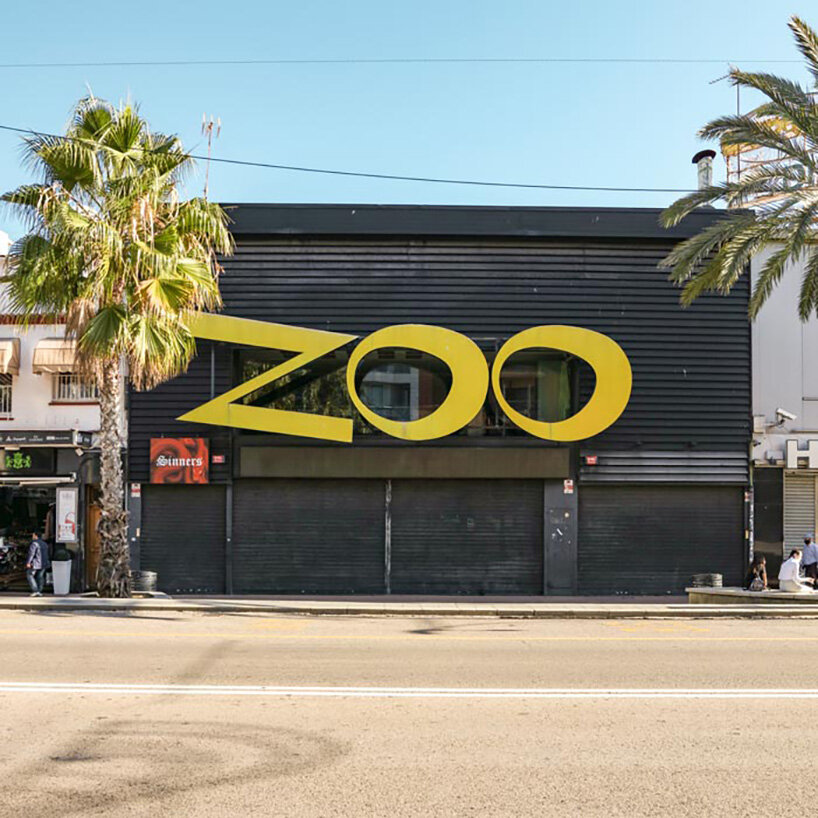
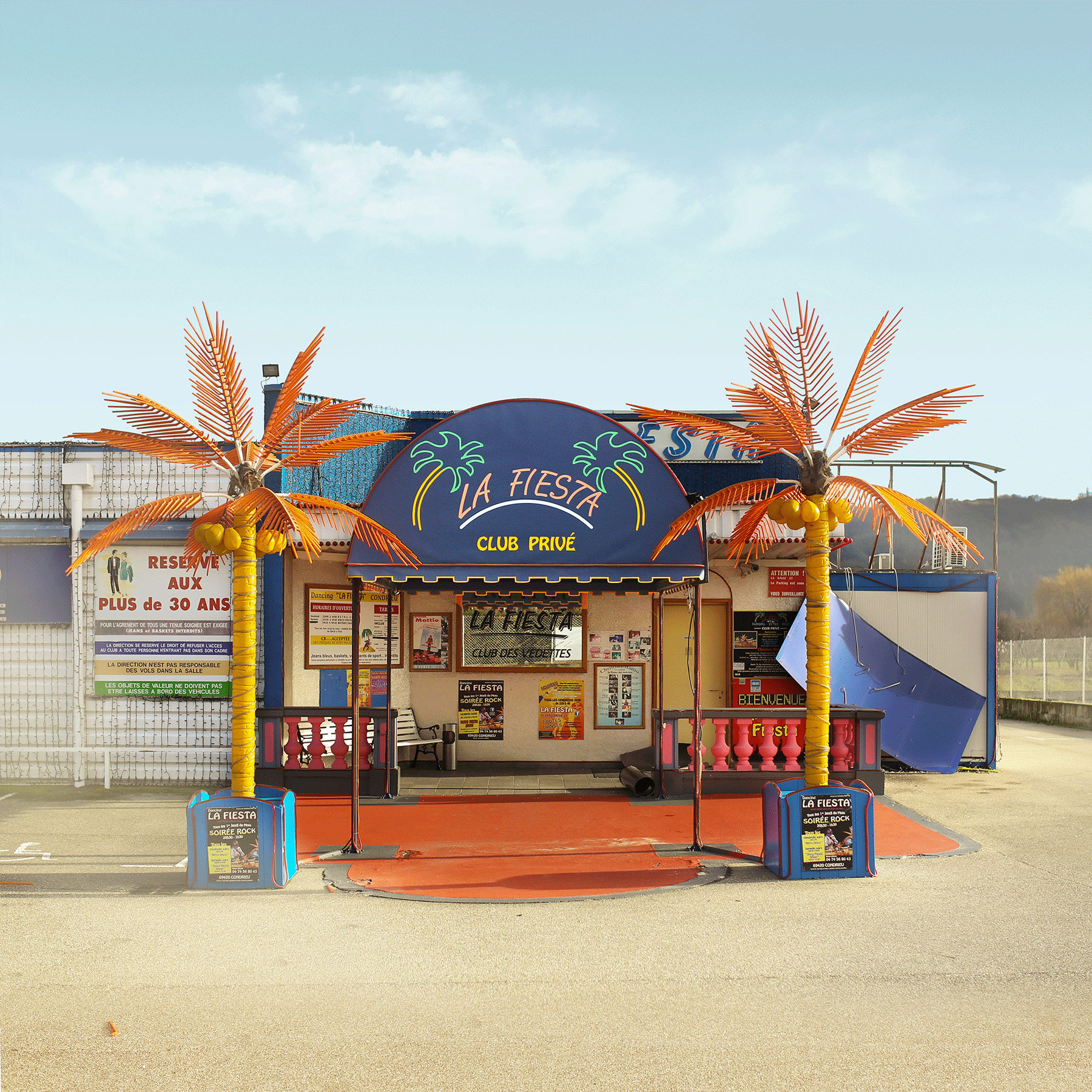
La Fiesta Club Privé, Condrieu, Rhône-Alpes, 2013
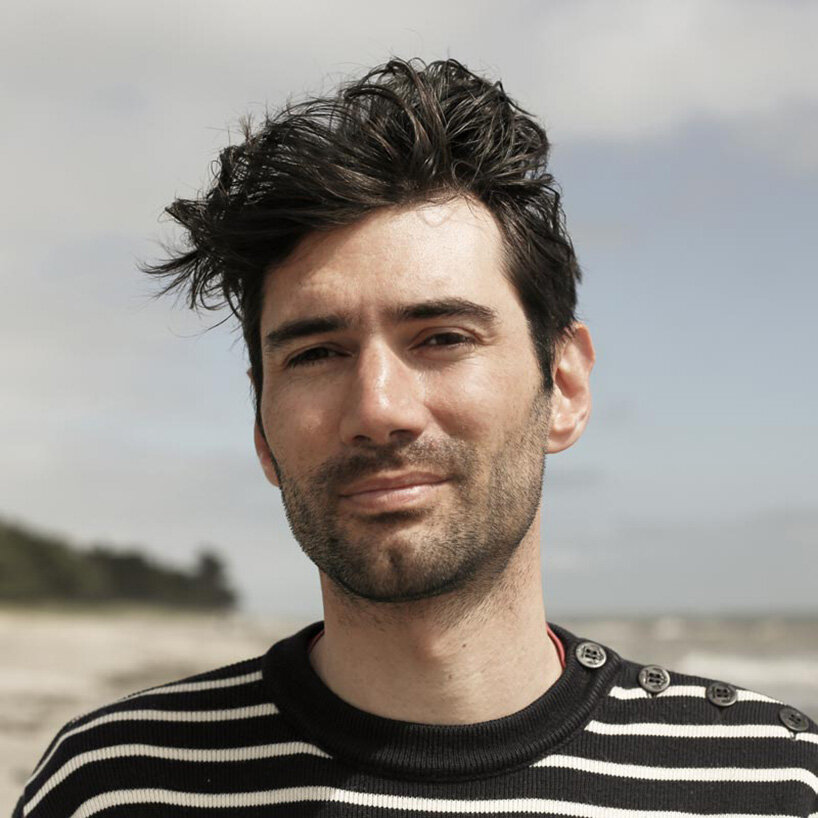
François Prost is a parisian photographer and art director born in 1980. When he’s not working for editorial or commercial clients, he spends his time on personal photography projects, documenting facades of local French nightclubs, machine gun shops in the US, Chinese scooters, or similarities between European cities and their Chinese replicas. His work has been awarded and exhibited internationally and published in 6 monographic books, including After Party, Gentlemen’s Club, Club Ivoire, and Love Hotel, which are distributed by D.A.P./Artbook in North America, Antenne Books in the UK and worldwide, and Interart in France.
project info:
photographer: François Prost | @francoisprost
The post françois prost photographs the facade as a machine for manufacturing desire appeared first on designboom | architecture & design magazine.